

The Different Cable Options For Security Systems
Choosing the right cabling is one of the most important yet most misunderstood parts of designing a reliable security system. Cameras, alarms, access control panels, and monitoring devices can only perform as well as the cable infrastructure supporting them. At Nexlar, we regularly see systems underperform not because of the hardware itself, but because the wrong cable was selected during installation. Understanding the different cable options for security systems helps ensure long term reliability, clear video transmission, stable power delivery, and fewer service issues over time.
Modern security environments rely on a mix of video surveillance, intrusion detection, and connected cable security devices. Each component has its own wiring requirements, and selecting the correct security system cable is essential for both performance and scalability. Whether you are planning a new installation or upgrading an existing system, knowing how different security camera cable types work will help you make informed decisions.
Why cabling matters in modern security systems
Security systems operate continuously, often in challenging environments such as outdoor perimeters, parking garages, warehouses, and multi tenant buildings. The security system wiring must handle constant data transmission, power delivery, and environmental stress without degrading signal quality. Poor cable selection can lead to video loss, interference, delayed alerts, or complete system failure.
Security camera cabling is not one size fits all. Factors such as distance, resolution, power requirements, and network integration all influence which cable for security cameras should be used. When the right security camera wire types are selected from the start, the system becomes more reliable, easier to maintain, and more cost effective over its lifecycle.
Coaxial cable and its role in CCTV systems
Coaxial cable has been used in surveillance systems for decades and remains common in many traditional CCTV installations. This cable type was originally designed for analog video transmission and is still found in many legacy systems today. When discussing the best cable for CCTV camera setups that rely on analog or HD over coax technology, coaxial cable continues to be a viable option.
Coaxial security camera wiring types typically consist of a central copper conductor, an insulating layer, a metallic shield, and an outer jacket. This construction helps protect the video signal from interference. However, coaxial security system wire usually requires a separate power cable, which increases installation complexity. While coaxial cable can still deliver dependable performance in shorter runs, it lacks the flexibility and scalability of modern network based systems.
Ethernet cable and IP based security cameras
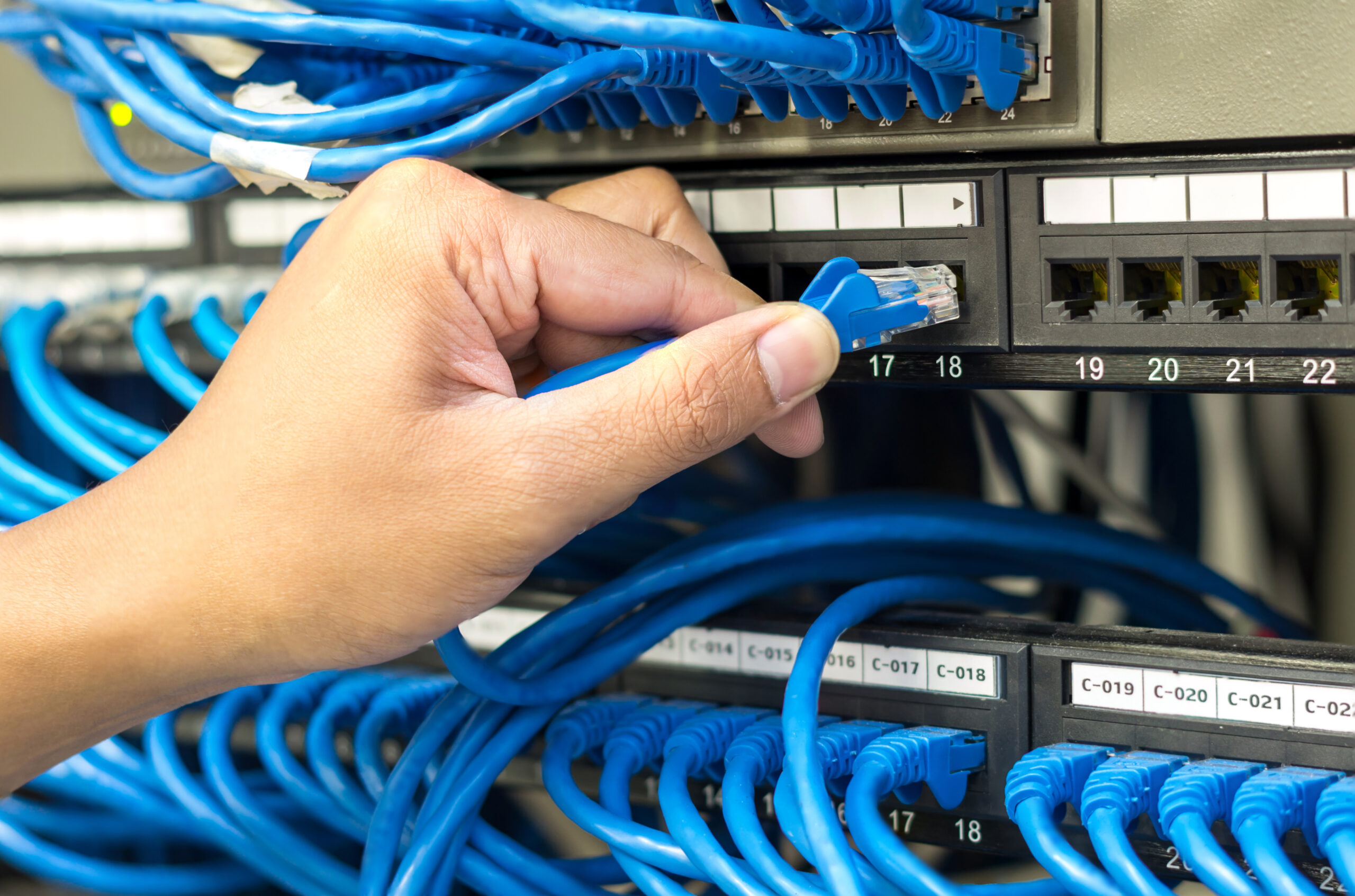
Ethernet cabling has become the standard for modern IP security systems. When clients ask about the best ethernet cable for security cameras, the answer depends on distance, bandwidth, and future expansion needs. Ethernet cable allows video, power, and data to travel through a single line using Power over Ethernet technology, simplifying security camera wiring types and reducing installation costs.
Category rated Ethernet cables are widely used in security system wiring for IP cameras, network video recorders, and access control systems. These cables support high resolution video, remote monitoring, and advanced analytics. Ethernet based security camera cabling is ideal for businesses looking to integrate surveillance into their existing network infrastructure while maintaining flexibility for future upgrades.
Cat5e cabling for standard surveillance needs
Cat5e remains a popular option in many security installations due to its affordability and compatibility. This cable supports most standard IP cameras and works well for short to medium distance runs. In many environments, Cat5e serves as a dependable security system cable that balances cost and performance.
For facilities with moderate resolution requirements and limited bandwidth demand, Cat5e security camera wire types can deliver consistent results. However, as camera resolutions continue to increase, some organizations prefer higher category cables to future proof their systems.
Cat6 and Cat6a cables for high performance environments
As surveillance systems evolve, higher resolution cameras and advanced analytics require greater bandwidth. Cat6 and Cat6a cables are often selected as the best ethernet cable for security cameras in demanding environments. These cables support higher data rates, improved shielding, and longer transmission distances.
Security camera cabling using Cat6 or Cat6a is ideal for large campuses, high traffic commercial spaces, and facilities planning long term expansion. These cable security devices support stable video streams and reduce the risk of interference. Investing in higher category security system wire upfront can prevent costly rewiring later.
Fiber optic cable for long distance security systems
Fiber optic cabling is commonly used when security systems must cover long distances or operate in environments with high electrical interference. Fiber does not transmit electricity, making it immune to electromagnetic interference and ideal for industrial sites, campuses, and multi building installations.
While fiber is not typically used directly to connect individual cameras, it is often used as backbone security system cable linking network switches, monitoring centers, and remote buildings. Fiber enhances the reliability of security system wiring and ensures high quality video transmission across large properties.
Power and signal considerations in security alarm cable
Security alarm cable plays a critical role in intrusion detection systems, sensors, and control panels. These cables are designed to carry low voltage signals reliably and are often used alongside video cabling. Selecting the correct security alarm cable ensures consistent communication between sensors and monitoring equipment.
Security system wire used for alarms must be durable, properly shielded, and compliant with safety standards. Proper routing and installation of security system cable helps prevent false alarms and signal disruptions.
Matching cable types to real world security needs
No two security systems are identical. The right camera cable types depend on the environment, system size, and operational goals. Residential systems may rely on simpler wiring, while commercial and enterprise installations require robust and scalable security camera cabling.
Understanding security camera wiring types helps decision makers avoid common mistakes such as overloading cables, exceeding distance limits, or underestimating future expansion needs. At Nexlar, we evaluate each project individually to ensure the cable for security cameras aligns with performance requirements and long term objectives.
Why choose Nexlar for security system cabling
At Nexlar, we approach security from a system wide perspective, not just individual components. Our team designs and installs security system wiring that supports reliability, scalability, and performance. We carefully select security camera cable types based on real world conditions, compliance standards, and client goals. From choosing the best cable for CCTV camera installations to deploying enterprise grade Ethernet and fiber solutions, Nexlar ensures your infrastructure is built to last.
If you are planning a new security system or upgrading your existing one, contact Nexlar today to speak with our security specialists and get a solution tailored to your needs.
FAQs
Q. What are the most common security camera cable types used today?
The most common security camera cable types include coaxial cable for traditional CCTV systems and Ethernet cable for modern IP based systems. Fiber optic cable is also used for long distance backbone connections.
Q. Which is the best cable for security cameras in commercial buildings?
The best cable for security cameras in commercial environments is typically Cat6 or Cat6a Ethernet cable, as it supports higher bandwidth, Power over Ethernet, and future scalability.
Q. Can one cable handle both power and video for cameras?
Yes Ethernet based security camera cabling can handle both power and data through Power over Ethernet, reducing the need for separate power lines and simplifying security system wiring.
Q. How does security alarm cable differ from camera cable?
Security alarm cable is designed for low voltage signal transmission between sensors and control panels, while camera cable types are optimized for video and data transmission.
Q. Why is proper security system cable selection important?
Proper security system cable selection ensures reliable video quality, stable connections, and long term system performance while reducing maintenance issues and downtime.
Follow Us