

Security Tips For Retail Stores 2026
Retail in 2026 is faster, smarter, and more connected than ever before. From self checkout kiosks to AI driven inventory systems, modern stores operate in a digital first environment. While this evolution improves efficiency and customer experience, it also increases exposure to theft, fraud, and operational risks. As a company deeply involved in protecting businesses across Texas, we understand how retail security must adapt to new threats while maintaining a welcoming shopping environment.
At Nexlar, we work closely with retailers to design practical and scalable retail security solutions that protect assets, employees, and customers. In this guide, we share forward thinking security tips for retail stores in 2026, built around real world challenges and the technologies shaping the future of security in retail.
Understanding The New Retail Threat Landscape
The retail sector continues to face organized retail crime, internal theft, credit card fraud, and cyber enabled physical breaches. Shoplifting tactics have evolved, and coordinated groups often target high value merchandise. In addition, employee related shrinkage remains a significant issue in many stores.
Security in retail now requires more than cameras mounted in corners. It demands integrated retail security systems that combine surveillance, access control, alarm monitoring, and analytics. Retailers must move from reactive responses to proactive prevention. The right retail security system not only records incidents but helps prevent them before they escalate.
Smart Retail Surveillance In 2026
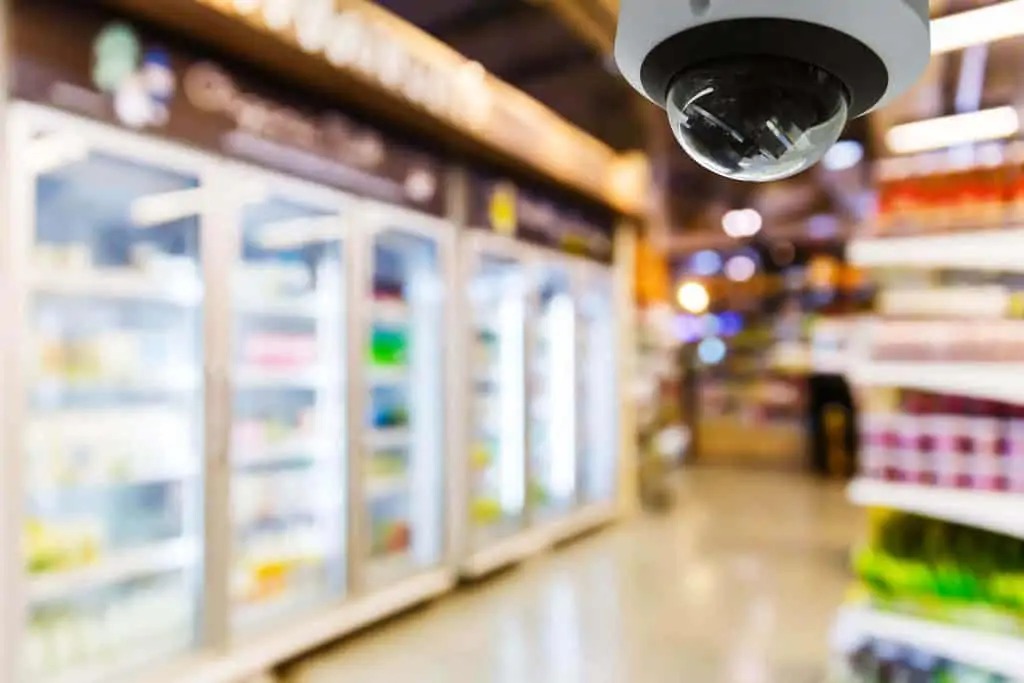
Retail surveillance has transformed dramatically with the integration of artificial intelligence and cloud connectivity. Modern retail surveillance cameras can detect unusual behavior, identify suspicious movement patterns, and send real time alerts to managers or security personnel.
High resolution cameras placed strategically at entrances, exits, checkout areas, and storage rooms enhance retail store security without disrupting customer flow. Video analytics can flag loitering near high value displays or repeated visits to restricted areas. These insights strengthen store security while providing valuable operational data, such as customer traffic patterns.
Retailers who invest in advanced retail security systems gain visibility into every corner of their stores. This visibility supports both loss prevention and improved business decisions.
Strengthening Merchandise Security
Protecting high value inventory is one of the most important aspects of merchandise security. Electronics, designer goods, and specialty items are common targets. In 2026, anti theft systems for retail stores go beyond traditional tags and alarms.
Electronic article surveillance systems, smart display locks, and RFID enabled tracking solutions are essential components of modern retail security solutions. These tools deter theft while allowing customers to interact with products safely.
Merchandise security should be layered. Combining anti theft systems for retail stores with retail surveillance creates a strong deterrent effect. Visible security measures signal to potential offenders that the store is protected, reducing the likelihood of attempted theft.
Access Control For Employees And Restricted Areas
Retail store security does not stop at the sales floor. Stock rooms, cash offices, and server closets require controlled access. Unauthorized entry into these areas can lead to significant financial loss or data compromise.
Modern retail security systems integrate access control with video monitoring. Digital credentials, mobile access, and audit trails ensure only authorized employees can enter sensitive zones. When combined with retail surveillance, store managers can verify who accessed a specific area and when.
Security for retail stores must include internal accountability. By implementing controlled access, retailers reduce internal shrinkage and improve operational oversight.
Integrating Alarm Monitoring And Emergency Response
An effective retail security system should include intrusion detection and professional monitoring. After hours break ins, forced entry attempts, and emergency situations require immediate response.
Monitored alarm systems provide 24 hour protection. When an alarm is triggered, security personnel are notified instantly, and authorities can be dispatched without delay. This integration enhances overall retail security and ensures that store security remains active even when the store is closed.
Retailers in 2026 should prioritize seamless integration between alarms, cameras, and access control. Unified retail security solutions simplify management and improve response time.
Cyber Physical Security In Modern Retail
As retail technology expands, so does the intersection between digital and physical threats. Point of sale systems, inventory platforms, and connected cameras all rely on secure networks. Weak cybersecurity can compromise retail surveillance and other critical security retail infrastructure.
Retailers must protect both their digital systems and physical spaces. Secured networks, encrypted video streams, and regularly updated firmware are essential components of a comprehensive retail security system.
Security in retail today means thinking holistically. Protecting data, preventing unauthorized access, and maintaining secure connectivity are just as important as locking doors and monitoring entrances.
Employee Training And Security Awareness
Technology alone cannot solve every challenge. Employees play a critical role in retail store security. Proper training helps staff recognize suspicious behavior, follow security protocols, and respond appropriately during emergencies.
Clear procedures for handling cash, verifying returns, and managing high value merchandise strengthen merchandise security. Regular training sessions reinforce best practices and ensure employees understand how to use retail security systems effectively.
A culture of awareness significantly enhances security for retail stores. When employees are engaged and informed, they become an active part of the security strategy.
Creating A Customer Friendly Security Environment
While strengthening store security, retailers must maintain a positive shopping experience. Visible yet discreet retail surveillance and anti theft systems for retail stores should deter crime without intimidating customers.
Modern retail security solutions are designed to blend seamlessly with store aesthetics. Compact cameras, integrated sensors, and professional installation ensure that security in retail enhances safety without disrupting brand image.
Retailers who balance protection with hospitality create a secure environment that encourages repeat business and customer trust.
Why Choose Nexlar For Retail Security
At Nexlar, we specialize in customized retail security solutions designed for the evolving challenges of 2026 and beyond. Our expertise in retail security systems, retail surveillance, access control, and anti theft systems for retail stores allows us to build layered protection tailored to each client’s needs. We focus on scalable, future ready technology that enhances security retail operations without compromising customer experience. Our team understands the complexities of retail store security and delivers reliable, integrated systems that protect your assets and support your growth.
Contact us today to learn how Nexlar can design a customized retail security system that protects your store and supports your success in 2026.
Frequently Asked Questions About Retail Security
Q. What is the most effective retail security system for 2026?
The most effective retail security system in 2026 combines retail surveillance, access control, intrusion alarms, and anti theft systems for retail stores into one integrated platform. A layered approach ensures comprehensive security in retail environments and improves real time threat detection and response.
Q. How can retail security systems reduce shrinkage?
Retail security systems reduce shrinkage by deterring theft, monitoring employee activity, and tracking merchandise movement. Integrated retail security solutions provide visibility across the store, helping identify suspicious behavior and prevent losses before they escalate.
Q. What are anti theft systems for retail stores?
Anti theft systems for retail stores include electronic article surveillance, RFID tags, smart locks, and alarmed display fixtures. These technologies strengthen merchandise security and serve as visible deterrents that enhance overall retail store security.
Q. Why is retail surveillance important for small stores?
Retail surveillance is essential for small stores because it provides visual evidence of incidents, deters theft, and improves operational oversight. Even small businesses benefit from advanced retail security systems that offer real time monitoring and remote access capabilities.
Q. How often should retail security systems be updated?
Retail security systems should be evaluated annually to ensure they meet current threats and technology standards. As security in retail continues to evolve, updating software, upgrading cameras, and expanding retail security solutions help maintain strong protection.
Follow Us