

The Ultimate Guide to Structured Cabling Installation (2025)
Structured cabling has become the backbone of every modern business. As technology advances and the demand for reliable connectivity increases, organizations cannot afford slow networks, poor cabling work, or systems that fail when it matters most. This guide explains everything you need to know about structured cabling installation in 2025, the steps involved, and how a well designed structured cabling system supports long term growth for your business. Whether you are upgrading an existing office network cabling environment or planning a new commercial network cabling project, having the right knowledge can save time, reduce downtime, and eliminate unnecessary costs.
Understanding what is structured cabling
Many businesses still confuse general cabling with structured cabling. Structured cabling is a complete and organized infrastructure designed to support high speed data transfer, communication, voice, security systems, and modern technology within a building or multiple buildings. It includes the layout, installation, testing, and maintenance of all data cable installation requirements. This structured network cabling framework makes your technology environment scalable, predictable, and ready to support future digital growth. When done correctly, your network cable installation becomes the foundation that powers everything from phones and computers to cloud systems and security devices.
Why structured cabling installation matters today
The business environment in 2025 relies heavily on data flow, cloud communication, automation, and smart devices. Offices, warehouses, schools, hospitals, and commercial facilities all depend on stable networks. Structured cabling installation ensures that your infrastructure can handle increased demand without interruptions. Poor cabling can lead to slow response times, dropped connections, and issues that affect your productivity. A properly designed structured cabling system minimizes these issues by creating a uniform network that is easy to manage and expand. This is especially important for businesses planning voice and data cabling installation or upgrading to faster speeds.
How cabling installation supports your operations
Every Ethernet port, device, camera, phone, and workstation depends on the quality of your cabling. Data cabling installation is not just about running wires through ceilings or walls. It involves planning, performance standards, cable selection, heat management, labeling, termination, and long-term serviceability. When your office cabling installation follows industry standards, your team benefits from increased speed, improved reliability, and better performance even during high usage. Many companies struggle because their network cabling installation was done without a long term strategy or expert guidance. This results in frequent repairs and costly downtime that could have been prevented.
The evolving role of network cabling contractors in 2025
Technology is changing rapidly, and so is the role of network cabling contractors. Businesses now expect more than simple cable pulls. They need structured cabling solutions that are customized for their building layout, equipment load, and future connectivity goals. A professional contractor understands emerging standards, modern hardware, and the importance of precise testing. Network cabling contractors today must ensure seamless integration with cloud solutions, security systems, VoIP, and automated environments. This makes choosing the right contractor critical for any structured cabling installation project.
Planning your structured cabling system the right way
The planning stage determines the success of your entire structured cabling system. It includes evaluating your current equipment, understanding your data needs, studying your building layout, and identifying future expansion requirements. Businesses should think beyond immediate needs and consider how their network must perform in the next five years. When planning is done correctly, your structured network cabling can support an office expansion, additional employees, new devices, and technology upgrades without needing a complete rebuild. Many problems in commercial network cabling happen because planning was skipped or rushed.
Building a scalable office network cabling infrastructure
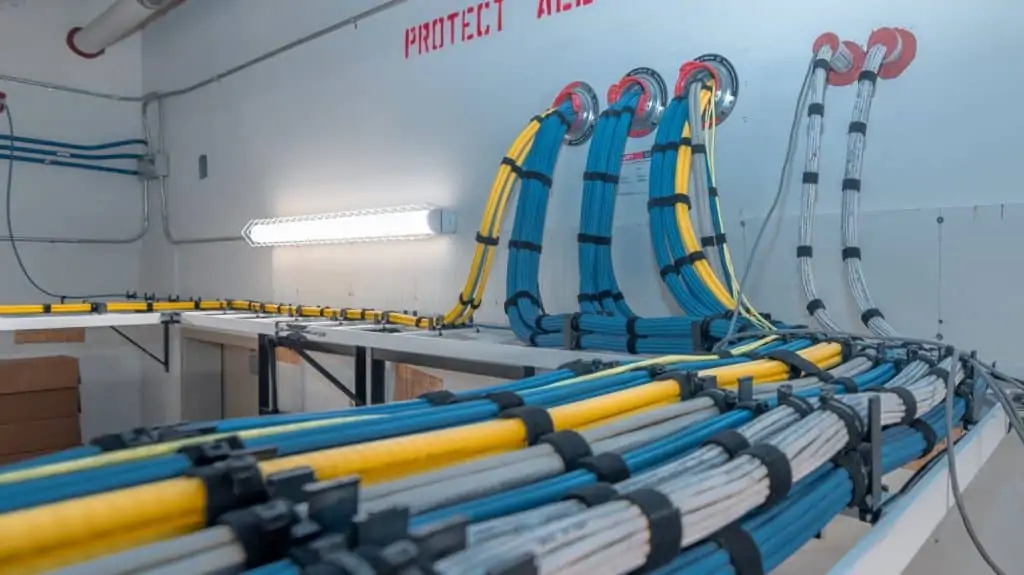
Scalability is the most overlooked advantage of structured cabling. As more devices connect to the network and organizations rely on digital communication, your cabling infrastructure must grow without becoming disorganized. Structured cabling installation ensures that your network remains clean, traceable, and easy to maintain. This includes organizing patch panels, racks, and pathways so that technicians can quickly identify and fix issues. A scalable office network cabling setup supports both short term changes and long term expansions without compromise.
Why commercial network cabling requires expertise
Commercial environments have more complex requirements compared to small offices. These facilities often use security cameras, wireless access points, phone systems, badge readers, servers, and industrial equipment. All these devices depend heavily on reliable data cabling installation. Without a properly designed structured cabling system, your network can experience congestion, slow response times, and failure during peak hours. This is why businesses rely on experts who understand commercial network cabling performance standards and can deliver consistent results.
Supporting modern technology with structured cabling solutions
Advanced technologies such as cloud applications, IP phones, VoIP, automation, and AI powered tools require strong and stable bandwidth. Structured cabling solutions allow your network to support these technologies efficiently. As businesses adopt more digital tools, the demand for high speed and low latency grows. A strong structured cabling system ensures that your network will not become a bottleneck to your operations. Investing in structured cabling today gives you long term control over your technology performance.
Data cable installation that enhances speed and reliability
Speed and reliability are two of the biggest advantages of quality data cable installation. Businesses using outdated cabling or unstructured layouts often face performance issues that slow down workflows. By choosing proper cabling installation standards, your network can handle higher speeds, larger transfers, cloud applications, and remote work tools. When your cables are correctly installed and tested, you experience consistent performance across all devices. This is especially important for companies running data intensive operations or high bandwidth applications.
Voice and data cabling installation for seamless communication
Phones and communication systems remain essential to business operations. Voice and data cabling installation ensures that employees can communicate without delays, dropped calls, or quality issues. Structured cabling allows your voice systems and data systems to coexist within a single organized infrastructure. This reduces maintenance and makes troubleshooting easier. Whether you use VoIP phones or advanced unified communication systems, having the right cabling is essential for smooth performance.
Reducing downtime with clean and organized cabling
One of the main benefits of structured cabling is reduced downtime. Disorganized cabling makes it hard to identify the root cause of issues, which leads to longer repair times. A structured cabling system simplifies maintenance and improves the ability to diagnose problems quickly. This increases your network’s uptime and prevents costly interruptions. Organized cabling installation also improves airflow and reduces the risk of overheating equipment.
The cost benefits of structured cabling installation
Many businesses assume cabling is just an expense, but it becomes a long term investment when done correctly. A properly installed structured cabling system reduces maintenance costs, lowers downtime, and extends the lifespan of your network equipment. It also makes upgrades easier and more cost efficient. By working with professional network cabling contractors, you avoid the hidden expenses caused by poor installation or outdated infrastructure.
Ensuring safety and compliance for every cabling project
Safety and compliance matter. Cabling installed incorrectly can create fire risks, electrical hazards, and code violations. In 2025, businesses must comply with strict building and safety regulations. Structured cabling installation performed by certified professionals ensures that your system is safe, code compliant, and built to withstand long term use. Compliance also protects your organization during inspections, insurance reviews, and equipment audits.
Future trends shaping structured cabling in 2025
As businesses adopt more automation, surveillance, IoT devices, and cloud systems, structured cabling will continue to evolve. Higher bandwidth standards, better fiber technology, and smarter cable management systems will redefine what offices need. Structured cabling solutions will incorporate more energy efficient designs, improved shielding, and advanced testing tools. Companies investing in structured cabling today are preparing their networks for the technology demands of tomorrow.
Why Choose Us
At Nexlar, we understand how critical reliable connectivity is for your business. Our team specializes in structured cabling installation designed to enhance performance, reduce downtime, and future proof your network. With years of experience in structured cabling system design, data cabling installation, office cabling installation, and commercial network cabling, we deliver solutions tailored to your space and your goals. From planning to deployment and testing, Nexlar ensures professional results that support your growth, improve communication, and strengthen the performance of your entire network infrastructure.
FAQs
Q. What is structured cabling?
Structured cabling is an organized, scalable infrastructure designed to support data, voice, and communication systems across a building or facility. It ensures efficient network performance and simplifies future expansion.
Q. How long does structured cabling installation take?
The duration depends on the building size, cabling pathways, and system requirements. Most office network cabling projects range from a few days to a few weeks depending on complexity.
Q. Is structured cabling better than traditional cabling?
Yes. Structured cabling offers higher performance, easier management, better reliability, and long term scalability compared to unstructured or random cabling setups.
Q. Do I need network cabling contractors for data cable installation?
Professional network cabling contractors ensure that your installation meets industry standards, supports high speeds, and remains compliant with safety regulations.
Q. Can structured cabling support future upgrades?
Absolutely. A structured cabling system is designed for growth and can easily accommodate new technologies, faster speeds, and additional devices.
Follow Us