

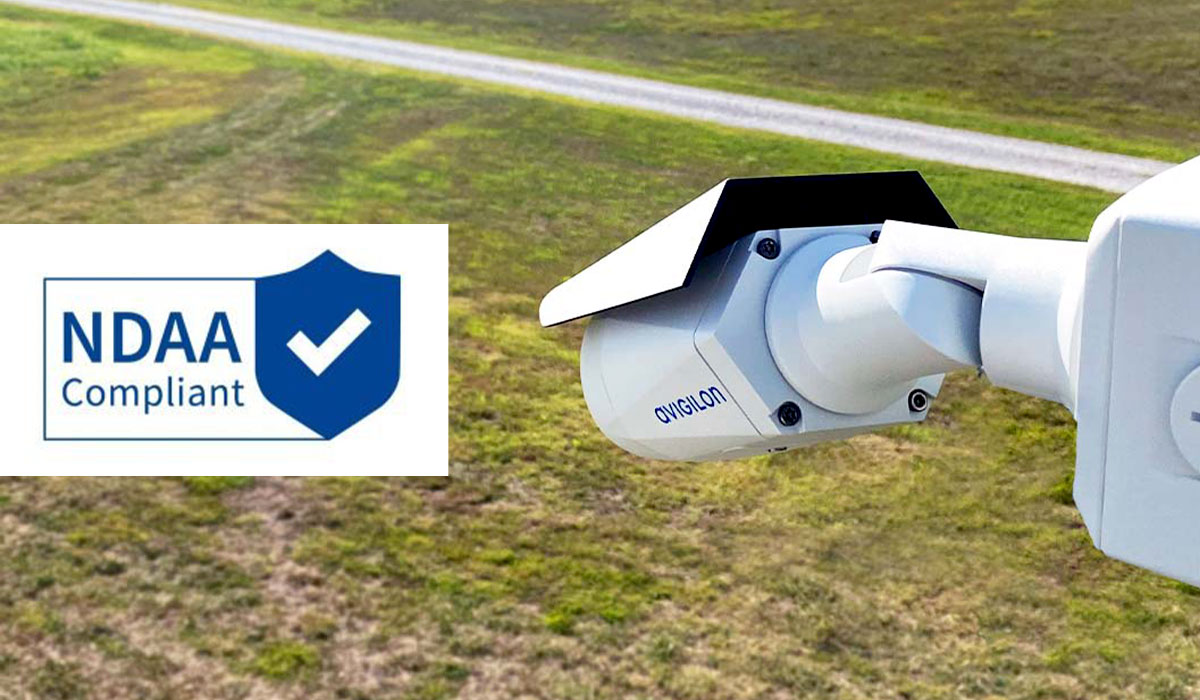
What are NDAA Compliant Security Cameras?
In today’s security landscape, compliance is no longer optional, especially for organizations working with public infrastructure, government contracts, or sensitive data. One of the most critical standards shaping the surveillance industry is NDAA compliance. If you are evaluating security camera equipment for commercial, municipal, or government use, understanding what NDAA compliant security cameras are and why they matter is essential.
At Nexlar, we work closely with organizations that require reliable, future-proof surveillance systems. This guide explains what is NDAA compliance, how it affects security camera brands, and how to choose the right government security cameras without compromising performance or compliance.
Understanding What NDAA Compliance Really Means
The National Defense Authorization Act is a federal law passed by the United States government to establish defense spending and national security priorities. Section 889 of this act specifically addresses the use of certain telecommunications and surveillance equipment that may pose national security risks.
When people ask what is NDAA compliance, they are referring to the requirement that government agencies and contractors must not procure or use security camera equipment manufactured by restricted companies. NDAA compliance ensures that surveillance systems used in sensitive environments do not transmit data to foreign entities or introduce vulnerabilities into government security systems.
For businesses, municipalities, and infrastructure operators, NDAA compliance is not just about legality. It is about trust, long-term system stability, and protecting critical data.
Why NDAA Compliant Security Cameras Matter Today
The importance of NDAA compliant cameras has increased significantly as cybersecurity threats and geopolitical risks continue to evolve. Government surveillance cameras are no longer simple recording devices. They are networked systems that interact with servers, cloud platforms, and access control systems.
Non-compliant cameras may be banned from government security systems, removed during audits, or disqualified from future funding opportunities. Organizations that ignore NDAA compliance often face costly replacements and operational disruptions.
NDAA compliant security cameras offer peace of mind by ensuring compatibility with federal standards, long-term procurement eligibility, and safer deployment across public and private sectors.
How NDAA Compliance Impacts Security Camera Brands
Not all security camera brands meet NDAA compliance requirements. Several major global manufacturers have been restricted under the act, making their equipment unsuitable for government security systems or federally funded projects.
This has shifted the market toward trusted surveillance camera manufacturers that prioritize transparency, secure supply chains, and regulatory alignment. Many American made security cameras and security cameras made in USA are designed specifically to meet these requirements.
For buyers, this means evaluating more than just image quality or price. NDAA compliance requires verifying where hardware components are sourced, how firmware is developed, and how data is handled.
The Role of American Made Security Cameras
American made security cameras play a significant role in NDAA compliance strategies. While not every compliant system is fully manufactured in the United States, many of the best outdoor security cameras made in USA are designed to meet strict federal guidelines.
Security cameras made in USA often provide greater assurance around data privacy, supply chain integrity, and long-term support. These systems are commonly used in government surveillance cameras, military installations, transportation hubs, and critical infrastructure projects.
For organizations seeking a balance between performance and compliance, American made security cameras are frequently a preferred choice.
NDAA Compliance for Government and Commercial Use
NDAA compliance is mandatory for government security systems, but its benefits extend well beyond public agencies. Commercial organizations working with federal contracts, educational institutions receiving grants, and healthcare facilities connected to public funding must also comply.
Government surveillance cameras must meet higher standards because they protect public safety and sensitive data. The same principles apply to private enterprises that operate in regulated industries or manage high-risk environments.
Using NDAA compliant security cameras ensures that systems remain eligible for expansion, upgrades, and integrations without regulatory roadblocks.
Common Misconceptions About Free Government Home Security System Programs
There is growing online interest around the idea of a free government home security system. While certain local or federal programs may offer limited assistance or incentives, there is no universal free government home security system that includes unrestricted surveillance equipment.
Any program associated with government security cameras or public safety initiatives will prioritize NDAA compliant solutions. Homeowners and small businesses should be cautious of claims that do not align with compliance requirements or verified government programs.
Understanding NDAA compliance helps consumers identify legitimate security solutions and avoid non-compliant equipment that could be phased out in the future.
Choosing the Right NDAA Compliant Security Camera Equipment
Selecting NDAA compliant security cameras requires a strategic approach. Beyond compliance, organizations must consider system scalability, image clarity, cybersecurity features, and long-term maintenance.
High-quality security camera equipment designed for government security systems typically offers encrypted data transmission, secure firmware updates, and integration with access control platforms. Surveillance camera manufacturers that focus on compliance also invest in ongoing testing and certification.
At Nexlar, we guide clients through this process to ensure their systems meet both operational and regulatory requirements without sacrificing performance.
The Future of Government Surveillance Cameras
Government surveillance cameras are evolving rapidly as artificial intelligence, analytics, and cloud connectivity become standard. NDAA compliance will continue to shape this evolution by influencing which technologies are approved for use in sensitive environments.
Future government security cameras will prioritize edge processing, reduced data exposure, and tighter integration with broader government security systems. Organizations that adopt NDAA compliant cameras today are better positioned to adapt to these advancements without system overhauls.
Compliance is not a temporary requirement. It is a long-term foundation for secure surveillance infrastructure.
Why NDAA Compliance Is a Long Term Investment
Many organizations initially view NDAA compliance as a limitation. In reality, it is an investment in system longevity and credibility. NDAA compliant security cameras reduce the risk of forced replacements, legal complications, and funding restrictions.
Security camera brands that align with NDAA compliance tend to offer stronger warranties, clearer documentation, and better enterprise support. This makes them a safer choice for organizations planning multi-year security strategies.
For industries that rely on government security systems or public trust, compliance is a competitive advantage rather than a constraint.
Why Choose Nexlar for NDAA Compliant Security Cameras
At Nexlar, we specialize in designing and deploying NDAA compliant security camera solutions tailored for government, commercial, and enterprise environments. Our expertise spans government surveillance cameras, compliant security camera equipment, and integrated government security systems built for long-term reliability. We work with trusted surveillance camera manufacturers and vetted security camera brands to ensure every system meets regulatory standards while delivering advanced performance.
Frequently Asked Questions About NDAA Compliant Security Cameras
Q. What is NDAA compliance in security cameras?
NDAA compliance means that security cameras and related equipment meet the requirements of the National Defense Authorization Act, specifically avoiding restricted manufacturers and ensuring secure supply chains suitable for government security systems.
Q. Are NDAA compliant cameras required for private businesses?
Private businesses are not always legally required to use NDAA compliant cameras, but they become mandatory if the organization works with government contracts, federal funding, or government surveillance cameras.
Q. Are American made security cameras always NDAA compliant?
Not all American made security cameras are automatically compliant, but many are designed specifically to meet NDAA compliance standards. Verification from the manufacturer or integrator is always recommended.
Q. Can non compliant cameras be used with government security systems?
Non compliant cameras cannot be used in government security systems or federally funded projects. Using them may result in disqualification or required system replacement.
Q. Do NDAA compliant security cameras cost more?
While some compliant systems may have a higher upfront cost, they often provide better long-term value by reducing regulatory risk, improving cybersecurity, and avoiding forced upgrades.
Q. Are NDAA compliant cameras suitable for outdoor use?
Yes, many of the best outdoor security cameras made in USA are NDAA compliant and designed for harsh environments, critical infrastructure, and government surveillance cameras.
Follow Us