

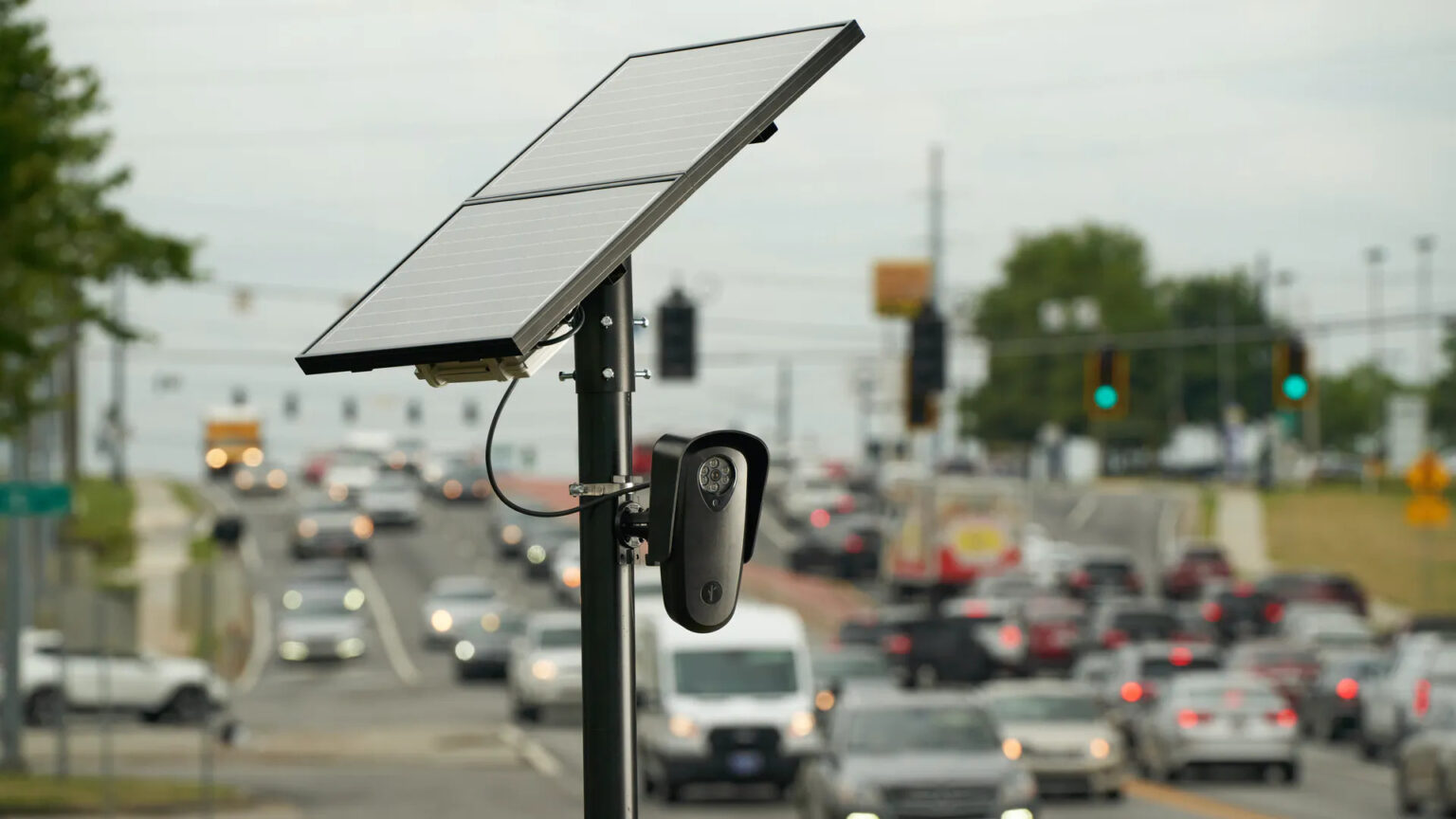
Automated License Plate Readers: How Do They Work
Automated license plate readers are transforming how modern security systems monitor vehicles, manage access, and improve situational awareness. From commercial properties and gated communities to law enforcement and enterprise facilities, a license plate reader has become an essential tool for proactive security. At Nexlar, we design and deploy advanced security technologies, and one of the most requested solutions today is the automatic license plate reader.
If you have ever wondered how do license plate readers work and how they can enhance your security strategy, this guide will walk you through the technology, process, and real world applications in detail.
Understanding the Role of a License Plate Reader
A license plate reader is a specialized security solution designed to capture vehicle license plate information and convert it into readable data. Unlike a traditional surveillance camera, a license plate camera reader is built specifically to detect plates under various lighting and weather conditions.
An ALPR system, also known as an automatic license plate recognition system, combines high resolution imaging hardware with intelligent license plate reader software. This system reads plate characters, processes them instantly, and stores the information in a searchable database.
For businesses, this means better access control. For law enforcement, it means faster identification. For property managers, it means improved visibility of who enters and exits a facility.
How Do License Plate Readers Work in Real Time
To fully understand how do license plate readers work, it helps to break the process into clear stages. The technology may seem complex, but the workflow is precise and efficient.
First, the ALPR camera captures a high quality image of a vehicle as it passes through a defined area. This alpr camera is designed with infrared illumination to ensure accurate plate capture during the day, at night, and even in challenging weather conditions.
Second, the image is sent to the license plate reader software. The software isolates the license plate area within the image. Using advanced optical character recognition technology, the system converts the visual characters into digital text. This is the core of license plate recognition.
Third, the license plate reader system compares the extracted plate number against predefined databases. These databases may include approved vehicle lists, denied access lists, stolen vehicle records, or visitor logs.
Finally, the system triggers an action. It may open a gate, send an alert, log an entry time, or notify security personnel. All of this happens within seconds.
This seamless integration of hardware and software is what makes an alpr system highly effective for modern security environments.
The Technology Behind an ALPR System
An ALPR system is made up of several interconnected components that work together to deliver reliable performance.
The alpr camera is engineered to focus specifically on reflective license plates. It uses narrow shutter speeds and infrared lighting to freeze motion and capture sharp images, even at high vehicle speeds.
The plate scanner function is what allows the system to continuously monitor passing vehicles. Instead of recording general video footage, it actively scans for plates and processes only relevant data. This makes it more efficient than standard surveillance cameras.
The license plate reader software is the intelligence layer. It handles character extraction, data storage, database comparison, and system integration. Modern license plate reader software can integrate with access control systems, visitor management platforms, and broader security networks.
Together, these components create a powerful license plate recognition solution that supports real time decision making.
Applications of a License Plate Reader System
A license plate reader system has a wide range of applications across industries. At Nexlar, we implement these systems in commercial buildings, multi tenant offices, manufacturing facilities, schools, and gated communities.
In corporate environments, a license plate reader can automate employee parking access. Approved vehicles are recognized instantly, and gates open without requiring cards or manual verification.
In residential communities, an automatic license plate reader enhances security by logging all vehicle entries and exits. Property managers gain visibility into traffic patterns and can quickly review historical data when needed.
In law enforcement and municipal deployments, an ALPR system helps identify stolen vehicles, vehicles linked to investigations, and traffic violations. The speed and accuracy of license plate recognition allow officers to act immediately.
In logistics and industrial facilities, a plate scanner improves operational efficiency by tracking delivery vehicles and controlling yard access.
Benefits of License Plate Recognition Technology
The growing demand for license plate recognition technology is driven by both security and efficiency advantages.
One of the primary benefits is automation. A license plate camera reader reduces reliance on guards or manual entry systems. This not only lowers operational costs but also minimizes human error.
Another benefit is improved auditability. Every vehicle interaction with your property is recorded and searchable within the license plate reader system. This data becomes valuable during investigations or compliance reviews.
Scalability is also a key advantage. Modern ALPR systems can be deployed at a single gate or across multiple locations while remaining centrally managed.
Most importantly, an ALPR system enhances overall situational awareness. Security teams gain real time alerts and actionable insights rather than just passive video footage.
Why Businesses Are Asking How Do License Plate Readers Work
Many organizations initially approach us with a simple question: how do license plate readers work, and are they reliable enough for my facility?
The answer lies in technological advancement. Early systems were limited in accuracy and performance. Today’s license plate reader software uses advanced algorithms and machine learning capabilities to improve accuracy across different plate designs and lighting conditions.
As a result, modern automatic license plate reader deployments achieve high read rates and integrate seamlessly with existing security infrastructure. Businesses no longer see ALPR as an optional feature but as a strategic component of access control and perimeter protection.
Why Choose Nexlar
At Nexlar, we do not simply install equipment. We design fully integrated security ecosystems tailored to your operational needs. Our team evaluates traffic flow, entry points, lighting conditions, and compliance requirements before recommending the right license plate reader system. We ensure your ALPR system integrates with access control, surveillance, and monitoring platforms for a unified security experience. From consultation to installation and long term support, our focus is reliability, scalability, and measurable results.
Contact us today to explore how a license plate reader solution can enhance your security strategy. By understanding how do license plate readers work and implementing the right ALPR system, organizations can strengthen perimeter security, streamline vehicle access, and gain real time intelligence that supports smarter decision making. At Nexlar, we help you deploy the right technology to protect what matters most.
Frequently Asked Questions
Q. How accurate is a modern ALPR system?
A modern ALPR system can achieve high accuracy rates when properly installed and configured. Accuracy depends on camera placement, lighting conditions, and system calibration, which is why professional design and installation are critical.
Q. Can a license plate reader work at night?
Yes, an alpr camera uses infrared illumination to capture clear images in low light and nighttime conditions. This ensures consistent license plate recognition around the clock.
Q. What is the difference between a standard camera and a license plate camera reader?
A standard camera captures general video footage, while a license plate camera reader is optimized to capture reflective plates at high speeds and under varying environmental conditions. It works specifically with license plate reader software for character extraction.
Q. Is a license plate reader system legal to use?
In most regions, using a license plate reader system on private property for security and access control is legal. However, regulations may vary depending on jurisdiction, so compliance review is important during system planning.
Q. Can license plate reader software integrate with access control systems?
Yes, modern license plate reader software integrates with gates, barriers, and access control platforms. When a recognized plate is detected, the system can automatically grant or deny access.
Q. What types of facilities benefit from a plate scanner?
Corporate campuses, residential communities, industrial facilities, schools, hospitals, and law enforcement agencies all benefit from a plate scanner for enhanced security and operational visibility.
Follow Us