

Where to Install CCTV Cameras at Home Full Guide
Home security today is no longer just about owning cameras. It is about placing them correctly so they actually protect what matters. Even the best quality security cameras will underperform if they are installed in the wrong spots or at the wrong angles. At Nexlar, we often see homeowners invest in advanced systems but miss out on real protection due to poor camera placement. This guide is designed to help you understand exactly where to place home security cameras, why placement matters, and how to plan a smart and effective house camera installation that delivers real peace of mind.

Why Camera Placement Matters More Than the Camera Itself
Security camera placement is the foundation of any effective home CCTV installation. A camera installed too high may miss faces, while one installed too low can be tampered with easily. Poor angles can cause glare, blind spots, or unusable footage at night. Proper camera placement ensures you capture clear images, cover key entry points, and reduce the chances of someone avoiding or disabling your system. When homeowners ask where to place security cameras, the real answer always starts with understanding movement patterns around the home and identifying vulnerable areas.
Understanding Your Home Before Installing Cameras
Before installing security cameras outside home or indoors, it is important to study your property. Walk around your house during the day and at night and observe how people naturally approach entrances, where vehicles stop, and where visibility drops. This simple exercise helps define the best places for security cameras and avoids unnecessary coverage overlaps. Many homeowners also benefit from using a security camera placement tool to visualize angles and coverage before drilling or mounting any equipment.
Where to Place Security Cameras Outside Home
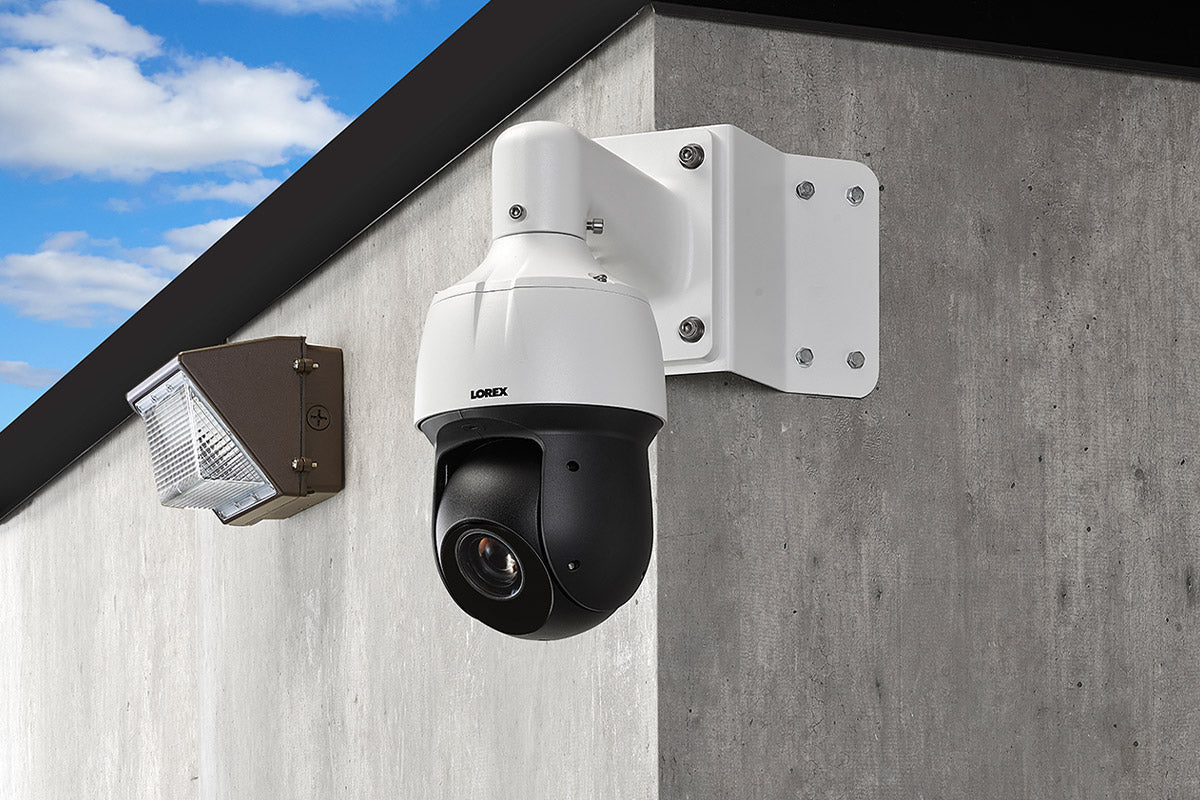
Outdoor coverage is the first line of defense. When planning where to place security cameras outside home, priority should always be given to entry points and high traffic zones. Front doors are among the most critical locations because most intrusions occur through the main entrance. Cameras should be installed at a height that captures faces clearly without being easy to reach. A corner security camera mounted diagonally above the door often provides the widest and most effective view.
Driveways are another essential area. Installing security cameras outside home that face the driveway helps monitor vehicles, packages, and anyone approaching the house. Proper camera placement here ensures license plates and movement are visible without excessive glare from headlights. Side yards and backyards should not be overlooked either, especially if they are hidden from the street. These areas are common access points and benefit greatly from thoughtful CCTV camera placement guidelines that focus on visibility without invading neighboring privacy.

The Role of Corners in Outdoor Camera Coverage
Corners play a crucial role in security camera placement. A corner security camera allows you to cover two directions at once, reducing blind spots and maximizing coverage. When placed correctly, corner-mounted cameras offer better depth perception and help capture movement patterns rather than just straight-on motion. This approach is especially effective for larger homes or properties with multiple access paths.
Indoor Camera Placement for Complete Home Coverage
Home security camera placement indoors should focus on monitoring movement rather than constant surveillance of private spaces. Living rooms, hallways, and staircases are ideal locations because they connect different areas of the home. Camera placement in these zones allows you to track movement without placing cameras in bedrooms or bathrooms, which should always be avoided.
If your home includes a dedicated CCTV room or monitoring area, ensure that all camera feeds are optimized for clarity and consistency. Indoor camera angles should complement outdoor coverage, creating a seamless security network that documents activity from entry to exit.
How to Install Cameras at Home Without Creating Blind Spots
Understanding how to install cameras at home involves more than mounting hardware. Cameras should be angled slightly downward to capture faces rather than the tops of heads. Lighting conditions must also be considered, as strong backlighting or reflective surfaces can reduce image quality. During house camera installation, it is essential to test footage at different times of day to confirm that shadows, sunlight, and artificial lighting do not compromise visibility.
Many homeowners worry about how to blind a security camera, especially when concerned about vandalism or tampering. The best prevention is smart placement. Cameras installed out of direct reach, protected from direct light sources, and positioned away from reflective surfaces are far harder to disable or obscure.
CCTV Camera Placement Guidelines for Long Term Performance
Effective CCTV camera placement guidelines always account for future needs. Landscaping changes, new structures, or even seasonal foliage can affect camera views over time. When planning camera placement, think long term and leave room for adjustments. Installing cameras with adjustable mounts makes it easier to fine-tune angles as your environment changes.
Quality also matters. Using best quality security cameras ensures better low-light performance, clearer images, and longer system life. Even the most strategic placement cannot compensate for poor image sensors or unreliable hardware.
Common Mistakes Homeowners Make With Camera Placement
One of the most common mistakes is placing cameras too high or too far away from points of interest. Another is relying on a single camera to cover multiple areas, which often results in poor detail. Overlooking side entrances, garages, and secondary doors is another frequent issue. True home CCTV installation success comes from balanced coverage rather than overloading one area and ignoring another.
Why Professional Home CCTV Installation Makes a Difference
While DIY solutions can work, professional home CCTV installation ensures that camera placement is optimized from the start. Professionals understand camera placement dynamics, lighting conditions, and system integration. They also help homeowners select the right equipment and configure it for long-term reliability. At Nexlar, our approach focuses on designing systems that match real-world security needs rather than generic layouts.
Why Choose Nexlar for Home Security Camera Placement
Choosing Nexlar means choosing expertise, precision, and reliability. We do not just install cameras; we design intelligent security systems based on proven security camera placement principles. Our team evaluates your property, recommends the best places for security cameras, and ensures every camera delivers usable, high-quality footage. With Nexlar, your home security camera placement is planned with both safety and practicality in mind, using only trusted technology and industry best practices.
Frequently Asked Questions About Home CCTV Camera Placement
Where to place security cameras for the best coverage at home?
When homeowners ask where to place security cameras, I always start with the highest risk areas first. The best places for security cameras are typically the front door, driveway, garage entry, back door, and any side gates. From there, home security camera placement should expand to hallways and main indoor pathways so movement is captured after an entry. Smart security camera placement is about clear identification and reducing blind zones, not just covering space.
Where to place security cameras outside home for real protection?
If you are deciding where to place security cameras outside home, focus on the paths people naturally take to approach your property. Installing security cameras outside home works best when you cover the front approach, driveway line, back door area, and side access points. A corner security camera placement at roof edges can also help you cover multiple directions and cut down blind spots without adding extra cameras.
What are the most important CCTV camera placement guidelines to follow?
Strong CCTV camera placement guidelines come down to height, angle, lighting, and distance. During home CCTV installation, cameras should be high enough to avoid tampering but low enough to capture faces clearly. Camera placement should avoid pointing directly into strong light sources and should be tested day and night. These simple CCTV camera placement guidelines are what turn recordings into usable evidence.
Do I need a security camera placement tool before home CCTV installation?
A security camera placement tool is not required, but it can help you visualize angles, coverage, and blind spots before you begin home CCTV installation. For larger homes or tricky entryways, using a security camera placement tool can reduce mistakes during house camera installation and help you confirm where to place home security cameras without guessing.
How to install cameras at home if I want a clean and professional look?
If you are learning how to install cameras at home, plan the camera placement first, then decide how you will route cables or set up WiFi coverage. During house camera installation, mounts should be solid, camera angles should be adjusted for faces, and recording should be tested in both daytime and nighttime conditions. If you want a cleaner finish, home CCTV installation often works best when wiring and power are planned around soffits, attic access, or interior cable runs.
What is the best camera placement to avoid blind spots?
Best camera placement is achieved when each camera covers a purpose and overlaps slightly with another camera’s view at key entry points. Security camera placement should capture approach paths rather than only pointing straight at a door. Corner security camera setups are especially effective because they reduce blind zones and give wider visibility. Good home security camera placement is measured by what you can clearly identify, not just what you can see.
Should I create a CCTV room at home for monitoring?
A CCTV room is optional for most homes, but it can be useful if you want a dedicated monitoring and recording space. If you do set up a CCTV room, keep it secure, keep the recorder hidden, and make sure your system is configured to store footage reliably. A well-planned CCTV room can also help you manage upgrades, storage, and remote access settings as your system grows.
How do I choose the best quality security cameras for my home?
Best quality security cameras are the ones that perform reliably in your real conditions, especially at night and in changing weather. For outdoor areas, choose cameras with strong night vision, good dynamic range, and weather protection. For indoor camera placement, focus on clarity, wide viewing angles, and stable recording. Even perfect camera placement cannot compensate for poor camera quality, so both matter.
Installing security cameras outside home should I aim them at the street?
Installing security cameras outside home can include street visibility, but the priority should always be your property line, entrances, and approach paths. Camera placement should be designed to capture faces and actions at your doors, driveway, and gates without creating privacy issues for neighbors. The right security camera placement keeps your home protected while staying practical and respectful.
How to blind a security camera and how to prevent it?
People search how to blind a security camera because criminals may attempt to block cameras using bright lights, sprays, physical obstruction, or direct tampering. The best prevention is smart security camera placement. Mount cameras out of reach, avoid direct exposure to headlights or harsh lighting, use better angles, and select best quality security cameras with good low-light handling. When home CCTV installation is done correctly, it becomes much harder to blind a security camera without being recorded by another camera angle.
Follow Us