

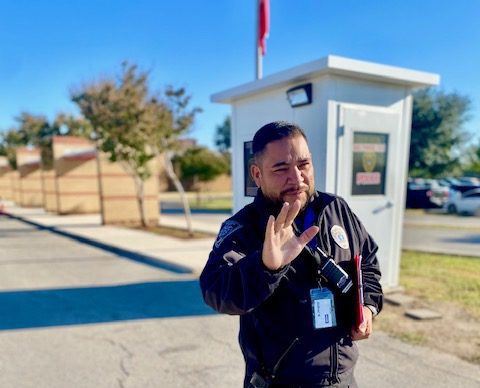
TEA Safety Audits: Common Failures & Fixes
Safety audits play a crucial role in maintaining secure environments for schools across Texas. The Texas Education Agency (TEA) has set specific safety guidelines, ensuring schools adhere to certain safety protocols that protect both students and staff. However, while many schools strive to comply, common failures during TEA safety audits can occur, leading to gaps in security. This blog aims to highlight some of the most frequent failures in TEA safety audits, how to address them, and the importance of adhering to TEA school safety requirements.
Exterior Door Checks
One of the most common issues during a school safety audit is related to exterior doors. These doors are often the primary access points for intruders, and any lapses in security can put students and staff at significant risk. The TEA school safety audit checklist typically includes checks to ensure that all exterior doors are secure, operational, and free from potential vulnerabilities.
Failures in exterior door security often stem from:
- Faulty Locking Mechanisms – Many schools overlook the need for regular maintenance of locking systems. A malfunctioning lock can allow unauthorized individuals to enter the premises unnoticed. It is essential to ensure that locks are in good condition and that they meet the security requirements outlined by Texas school safety laws.
- Lack of Proper Signage – In some cases, exterior doors may not be clearly marked with emergency exit signs or may lack proper identification. This can confuse staff and students during an emergency evacuation, resulting in delays or disorganization.
Fixes for Exterior Door Issues:
- Regular Inspections: Schools should implement routine inspections to ensure that locks and door mechanisms are functioning properly.
- Upgrading Locks: Invest in high-quality, tamper-resistant locks that provide better security.
- Clear Signage: Ensure that all doors are marked with visible signs that guide students and staff during emergencies.
Vestibule Vulnerabilities
Another common failure during TEA safety audits involves vulnerabilities within the vestibule area of the school. Vestibules are the spaces between the outer and inner doors of a building, often designed to limit unauthorized access and secure the building. However, many schools overlook this critical space, resulting in several potential risks.
Common vestibule issues include:
- Unmonitored Entry Points – Some schools have vestibules that are not properly monitored by staff or security cameras. This lack of supervision allows unauthorized individuals to enter or loiter in these areas without detection.
- Improper Door Seals – If the doors to the vestibule aren’t sealed properly, it can compromise the building's security, especially during a lockdown situation.
Fixes for Vestibule Vulnerabilities:
- Installation of Security Cameras: Vestibules should be equipped with high-quality cameras that monitor all entry points, providing real-time surveillance for security personnel.
- Regular Inspections: Ensure that door seals are intact and free from damage, as gaps in the seals can lead to drafts, unauthorized entry, or even security breaches.
Visitor Management Gaps
Visitor management is one of the most overlooked aspects of school safety. A gap in visitor management procedures is a frequent finding in TEA safety audits. Schools often fail to enforce proper protocols for checking in visitors, leading to potential risks.
Visitor management issues often include:
- Lack of Identification – Some schools fail to verify the identity of visitors or do not issue visitor badges. This can allow unauthorized individuals to roam the campus unnoticed.
- Failure to Log Visitors – In many cases, schools neglect to maintain an accurate log of visitors entering and leaving the premises, which could be crucial in case of an emergency or investigation.
Fixes for Visitor Management Gaps:
- Implement a Digital System: Schools should use a digital system to track visitor check-ins, issue badges, and log the time and reason for their visit.
- Clear Policies: Establish strict visitor check-in policies, including identification verification and the issuance of badges.
- Staff Training: Ensure that staff members are trained to recognize visitors who do not follow the established procedures.
Why Choose Us for Your TEA Safety Audits?
At Nexlar, we specialize in helping schools navigate the complexities of the TEA school safety audit checklist. We understand the nuances of Texas school safety laws and offer tailored solutions to ensure compliance. Our team is committed to identifying vulnerabilities in your school’s security and providing actionable fixes to improve safety. By choosing us, you are ensuring that your school adheres to the highest safety standards, protecting your students and staff from potential harm. If you need assistance with your school’s safety audit or want to improve your security systems, contact us today to schedule a consultation.
FAQs about TEA Safety Audits
Q: What are TEA school safety requirements?
A: TEA school safety requirements involve a comprehensive evaluation of a school’s security measures, including exterior doors, vestibules, visitor management, and emergency preparedness. Schools must comply with these regulations to ensure the safety of students and staff.
Q: How often should a school conduct a safety audit?
A: Schools should conduct safety audits at least once a year, but more frequent audits are recommended, especially after any security incident or if there are changes to school safety laws.
Q: What are the key components of a school safety audit?
A: The key components of a school safety audit include exterior door checks, vestibule vulnerabilities, visitor management, emergency evacuation plans, and compliance with Texas school safety laws. Ensuring that all these aspects are regularly reviewed and updated is crucial for maintaining a safe environment.
Q: How can we improve our visitor management system?
A: To improve your visitor management system, implement a digital check-in system, issue identification badges to visitors, and maintain a log of all visitors. This will help increase security and accountability on school premises.
Q: What happens if my school fails a TEA safety audit?
A: If your school fails a TEA safety audit, you will need to address the identified issues within a specified time frame. Schools that fail to meet TEA safety standards may face penalties or be required to implement corrective measures to ensure compliance with Texas school safety laws.
Q: Can we get assistance with our TEA safety audits?
A: Yes, Nexlar provides expert assistance with TEA safety audits. We can help identify gaps in your safety systems and offer tailored solutions to address vulnerabilities and ensure compliance with Texas school safety requirements.
Follow Us