

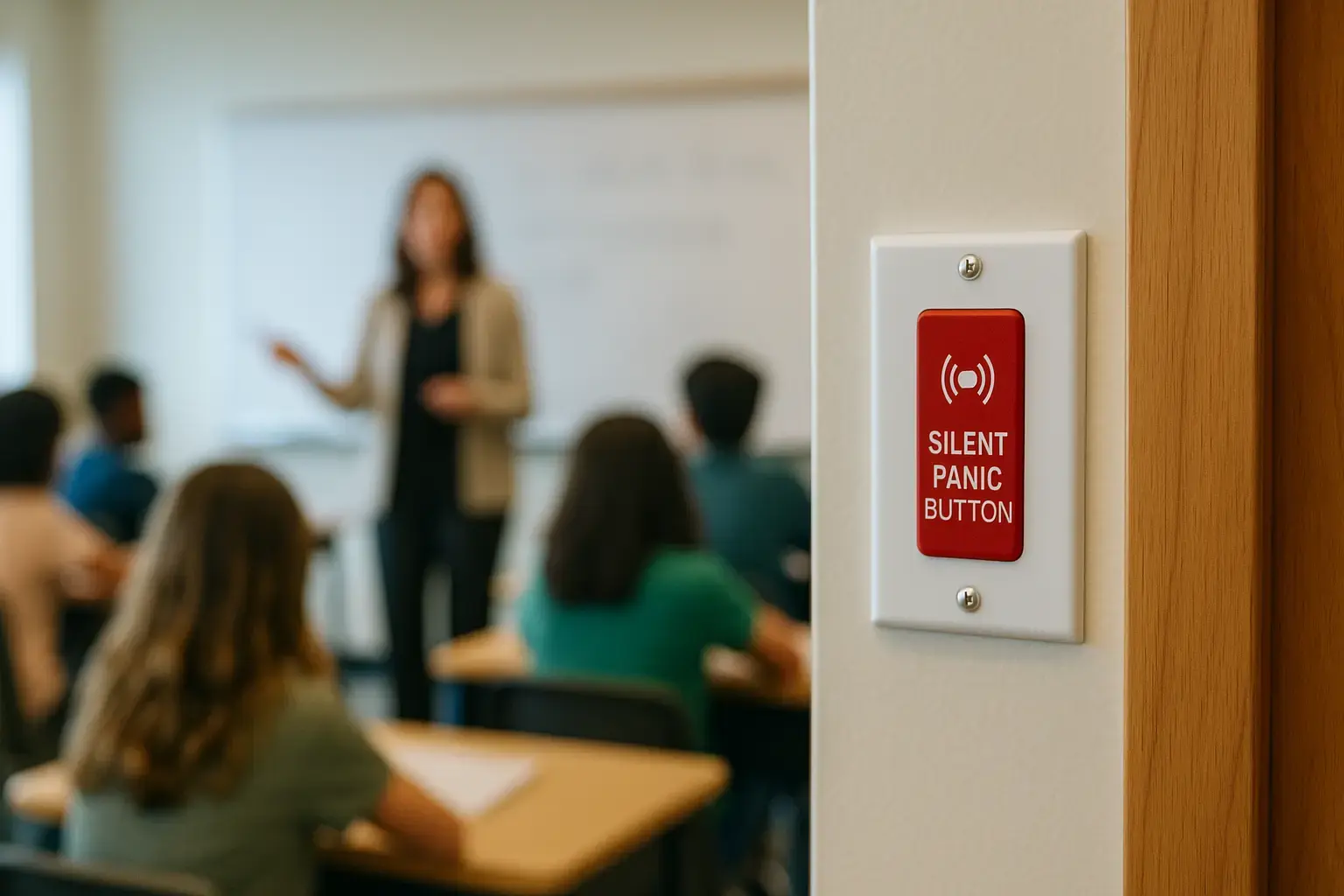
How to Write a Grant Proposal for "Silent Panic Alerts"
Grant proposals are critical for securing funding, especially when it comes to innovative safety solutions like silent panic alerts. These systems provide a discreet and effective way to call for help in emergencies, which can be vital in schools, workplaces, and other environments. Writing a compelling grant proposal for such technology requires careful planning, clear communication, and the ability to justify the value of the investment. In this blog, we will guide you through the process of creating an effective silent panic alert grant proposal that aligns with the necessary requirements and demonstrates the impact of the proposed solution.
Alyssa's Law Requirements
Alyssa’s Law, named after Alyssa Alhadeff, a victim of the 2018 Marjory Stoneman Douglas High School shooting, mandates that public schools in certain states implement silent panic alarm systems. The law emphasizes the need for quick response and communication in the event of an emergency. When writing a grant proposal for silent panic alerts, it’s crucial to align the proposal with the requirements of Alyssa’s Law, as many funding opportunities are tied to compliance with this law.
Start by demonstrating your understanding of Alyssa’s Law in the proposal. Mention how your proposed panic alert system not only meets the technical standards but also contributes to the safety and well-being of students, staff, and visitors. Include any specific features of your system that make it compliant with Alyssa’s Law, such as integration with local law enforcement and other emergency services. This will show grant providers that your solution is not only effective but also fully aligned with current legislation.
Additionally, it’s important to address any timelines or reporting requirements that may be outlined by the law. Make sure to include a detailed implementation plan in your proposal, specifying how and when the panic alert system will be installed and tested. Granting agencies will want to know that you have a structured approach to deploying the system in compliance with the law.
Justifying the Cost
A key component of any grant proposal is the justification of costs. When seeking funding for a silent panic alert system, it is essential to provide a breakdown of expenses, including hardware, software, installation, and training. Funders need to understand why the investment is worthwhile and how it will benefit the community in the long run.
To justify the cost effectively, highlight the value of your silent panic alert system in terms of safety improvements and potential lives saved. Provide statistics or case studies from schools or institutions where panic alert systems have already been implemented, showing a measurable impact on emergency response times and overall safety. Additionally, reference any data on the increasing frequency of school shootings or other emergencies to underscore the urgent need for such systems.
In your justification, also consider the long-term maintenance and support costs of the system. Many funders are interested in sustainability, so it’s beneficial to outline a plan for ongoing service and updates to the system. This demonstrates that the technology will remain effective and operational for years to come, ensuring that the grant money is put to good use.
Grant Writing Tips
Writing a successful grant proposal requires more than just listing expenses and requirements. It involves creating a narrative that is clear, convincing, and aligned with the goals of the funding agency. Here are some essential grant writing tips for your silent panic alert proposal:
- Start with a Strong Executive Summary
The executive summary is the first thing the reviewer will read, so it needs to capture attention immediately. Provide a concise overview of your project, including the problem you aim to solve, the solution you are proposing, and the expected outcomes. Keep it brief but impactful, focusing on the importance of implementing silent panic alerts in your proposed area. - Show the Need for Your Solution
Clearly articulate why silent panic alert systems are necessary for your target area, whether it’s a school, workplace, or public space. Provide data on local crime rates, emergency response times, or past incidents that demonstrate the need for such technology. Personal stories or testimonials can also help illustrate the urgency and emotional impact of your proposal. - Outline Clear Objectives and Goals
Clearly define what success looks like for your project. Are you aiming for faster emergency response times? Reducing the number of lives lost in violent incidents? Include specific, measurable goals that the funding body can track throughout the project. - Detail the Implementation Plan
Provide a step-by-step implementation timeline, including when you expect to install the system, train staff, and test the technology. This will give the funders confidence that you have a well-thought-out plan and can manage the project effectively. - Highlight Your Team’s Experience and Expertise
Include information about your team’s qualifications and experience with similar projects. Funders are more likely to approve proposals from organizations with a proven track record of successful grant implementation. - Review and Revise
Before submitting your proposal, carefully review it for clarity, conciseness, and accuracy. Make sure it is free from errors and that all required sections are complete. A polished, professional proposal will reflect well on your organization and increase your chances of success.
Why Choose Us?
At Nexlar, we understand the importance of safety and the role technology plays in creating secure environments. Our team is experienced in developing and implementing advanced security solutions, including silent panic alert systems. We are committed to providing systems that not only meet legal requirements but also exceed expectations in terms of reliability and efficiency. Our solutions are designed with your safety in mind, ensuring that your institution can respond quickly and effectively in emergencies. Choose us for your silent panic alert grant proposal and let us help you make your vision a reality.
If you are interested in learning more about how Nexlar can help you implement a silent panic alert system or need assistance with your grant proposal, feel free to contact us. We are here to support you every step of the way.
Frequently Asked Questions
Q: What is Alyssa’s Law, and how does it relate to silent panic alert systems?
A: Alyssa’s Law requires public schools to install silent panic alert systems that connect directly to law enforcement in case of emergencies. Silent panic alert systems can help fulfill this requirement by allowing staff to discreetly alert authorities during a crisis.
Q: How much does it cost to install a silent panic alert system?
A: The cost of installing a silent panic alert system varies depending on the size of the facility, the number of alerts required, and the complexity of the system. A detailed cost breakdown should be included in your grant proposal.
Q: What are the benefits of implementing a silent panic alert system?
A: Silent panic alert systems can significantly reduce response times during emergencies, improve safety for staff and students, and ensure that authorities are notified instantly when help is needed.
Q: How do I ensure my grant proposal is successful?
A: To write a successful grant proposal, clearly outline the need for the system, provide a detailed cost breakdown, highlight the long-term benefits, and demonstrate how the system meets Alyssa’s Law requirements.
Follow Us