

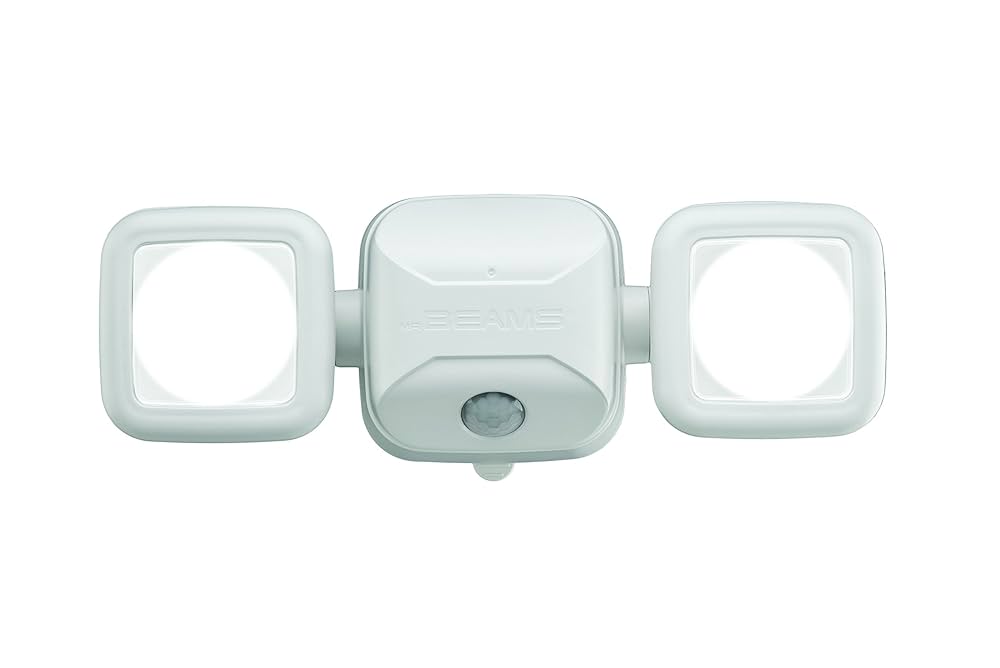
Perimeter Beams vs. Motion Sensors: The First Line of Defense
Modern security strategies begin at the perimeter. Whether it is a residential property, commercial facility, warehouse, or corporate campus, the ability to detect movement before an intruder reaches the building itself can make the difference between prevention and damage. For organizations investing in professional security systems, understanding the difference between perimeter beams and motion sensors is essential.
Security professionals often debate the effectiveness of perimeter security beams vs sensors, especially when designing layered protection strategies. While both technologies detect movement, their operational methods, accuracy levels, and ideal use cases differ significantly.
At Nexlar, we design security solutions that combine advanced detection technologies with intelligent monitoring systems. Understanding how beam detectors and motion sensors work helps businesses choose the best system for early intrusion detection.
Understanding the Role of Perimeter Detection
Perimeter security is the first line of defense in any security infrastructure. Instead of waiting for intruders to enter the building, perimeter systems detect activity before the threat reaches doors, windows, or interior spaces.
Many businesses rely on infrared motion sensors installed inside facilities, but outdoor detection requires different technologies. Environmental factors such as weather, animals, wind movement, and temperature changes can affect traditional sensors. Because of this, security designers frequently evaluate perimeter security beams vs sensors when planning surveillance systems for large properties.
Perimeter beams create invisible barriers around protected areas. Motion sensors detect heat or movement within a defined field of view. Both methods serve important roles, but their effectiveness depends on the environment and security objectives.
How Beam Detectors Work
Beam detectors operate using infrared technology that forms an invisible straight-line barrier between a transmitter and a receiver. When an object or person interrupts this beam, the system triggers an alert. A beam motion sensor system typically consists of two units installed facing each other. One unit emits infrared light while the other receives it. When someone crosses the path of the beam, the interruption signals a potential intrusion.
This technology is commonly used in large outdoor spaces such as warehouses, parking lots, gated properties, and industrial facilities. A home security infrared beam system can also protect residential yards, driveways, and entry points.
One of the key advantages of perimeter beams is their precision. Instead of detecting general motion within a wide area, they create a defined security boundary. This makes them highly effective in environments where early detection is critical. Security professionals often choose beam detectors when they need reliable perimeter alerts without triggering unnecessary alarms from movement outside the protected line.
Motion Sensors and Their Role in Security Systems
Motion sensors operate differently from beam detectors. Instead of creating a straight barrier, motion sensors monitor a specific area and detect movement within that space. An infrared motion detector identifies changes in heat patterns. When a warm body such as a human enters the monitored zone, the sensor registers the temperature difference and triggers an alert.
Motion detection technology has evolved significantly over the years. Today, security systems may incorporate several types of sensors including infrared sensors, microwave sensors, and thermal motion sensor technology.
Each type serves a unique purpose depending on the environment. For example, thermal sensors detect body heat more accurately in low light conditions, making them useful in nighttime security applications. Businesses often install infrared motion sensors inside buildings to detect unauthorized movement after hours. These sensors are commonly used in offices, storage facilities, and retail locations.
PIR Motion Sensor Pros
Passive infrared sensors, commonly referred to as PIR sensors, are among the most widely used motion detection devices in modern security systems. A PIR sensor detects heat changes caused by moving bodies. When a person enters the sensor’s field of view, the system detects the shift in infrared radiation and triggers the alarm. One of the primary advantages of PIR technology is energy efficiency. Since the sensor only reacts to changes in heat rather than constantly emitting signals, it consumes very little power.
PIR sensors are also relatively affordable and easy to install. This makes them a common choice for indoor security monitoring. Another advantage is their effectiveness in controlled environments. Inside buildings where temperature conditions are stable, infrared motion sensors can provide accurate detection with minimal false alarms.
However, PIR sensors have limitations in outdoor environments. Weather changes, sunlight reflections, and environmental movement can affect detection accuracy. This is one reason why security professionals compare presence sensor vs motion sensor technologies when designing a system. Presence sensors detect even small movements within a space, while motion sensors typically require larger movements to activate.
Presence Sensor vs Motion Sensor Understanding the Difference
The difference between a presence sensor vs motion sensor often creates confusion among property owners.
Motion sensors activate when significant movement occurs within the detection area. Presence sensors, however, detect even minimal activity such as a person sitting or making small movements. Presence sensors are commonly used in smart lighting systems and office automation environments. Motion sensors are more commonly used for security applications.
When designing intrusion detection systems, motion sensors remain the preferred option because they focus on identifying movement associated with potential threats. Understanding this distinction helps security professionals choose the correct technology for each part of a security system.
Reducing False Alarms
False alarms are one of the biggest challenges in perimeter security systems. Environmental conditions such as wind, rain, animals, or moving vegetation can trigger alerts if the system is not properly designed.
One of the advantages of beam detectors is their ability to reduce unnecessary triggers. Since the beam must be physically interrupted, environmental movement outside the beam path does not activate the alarm. Motion sensors, on the other hand, monitor an entire area. This makes them more susceptible to environmental interference. Advanced thermal motion sensor technology helps reduce these false triggers by distinguishing between heat sources and irrelevant environmental changes.
Security integrators also combine technologies to improve reliability. For example, pairing a beam motion sensor system with infrared motion sensors inside a building creates layered protection. This strategy ensures that an intruder must pass through multiple detection points before reaching sensitive areas.
Choosing Between Perimeter Beams and Motion Sensors
The debate around perimeter security beams vs sensors ultimately depends on the specific security environment. Beam detectors are ideal for creating defined perimeter boundaries. They work well for large outdoor areas where early detection is critical. Motion sensors are better suited for monitoring interior spaces or smaller areas where movement within the space needs to be detected.
In many professional security installations, the best solution is a combination of both technologies. Perimeter beams detect intrusions at the property boundary, while motion sensors monitor interior spaces. This layered approach ensures maximum protection and minimizes security vulnerabilities.
Why Nexlar Security Solutions Stand Out
At Nexlar, we believe that effective security begins with intelligent system design. Our team evaluates each property carefully to determine the most effective combination of technologies, whether that includes home security infrared beam systems, advanced infrared motion detector solutions, or modern thermal motion sensor technologies.
We focus on creating security systems that reduce false alarms while delivering accurate intrusion detection. By integrating beam motion sensor technology with modern monitoring platforms, Nexlar provides businesses with reliable perimeter protection and real time alerts.
Our security experts design customized solutions that align with the unique needs of each facility, ensuring that your perimeter defense remains strong, scalable, and future ready.
The Future of Perimeter Security Technology
Security technology continues to evolve as threats become more sophisticated. Artificial intelligence, advanced video analytics, and integrated access control systems are reshaping how organizations protect their facilities. Modern perimeter security systems increasingly combine sensors with smart analytics. This allows security platforms to distinguish between real threats and harmless activity.
As businesses adopt smarter infrastructure, technologies such as infrared motion sensors and beam detectors will continue to play a critical role in protecting property boundaries.
Understanding the strengths and limitations of each technology helps organizations make informed security decisions. If you are planning to upgrade your facility security or want expert guidance on perimeter protection technologies, contact Nexlar today to speak with our security specialists and design a smarter security system for your property.
Frequently Asked Questions
Q. What is the difference between perimeter beams and motion sensors?
Perimeter beams create an invisible line between two devices and trigger an alarm when that line is interrupted. Motion sensors monitor an area and detect movement or heat changes within that space. Both technologies detect intrusions, but beam detectors are typically used for perimeter protection while motion sensors are commonly used for interior monitoring.
Q. Are infrared motion sensors reliable for outdoor security?
Infrared motion sensors can be used outdoors but they may be affected by environmental conditions such as temperature changes, animals, or moving vegetation. For outdoor perimeter protection, many security professionals prefer beam detectors or advanced thermal motion sensors designed specifically for exterior environments.
Q. What is a beam motion sensor system?
A beam motion sensor system uses two devices positioned across from each other to create an infrared beam. When someone crosses the beam path, the system detects the interruption and triggers an alarm. This technology is commonly used in perimeter protection for homes, businesses, and industrial facilities.
Q. What is a thermal motion sensor?
A thermal motion sensor detects heat signatures rather than simple movement. It can identify body heat from people or animals even in low light or nighttime conditions. This makes thermal sensors useful for advanced surveillance and security monitoring.
Q. Should businesses use both beams and motion sensors?
Yes. Many modern security systems combine both technologies. Beam detectors protect the outer perimeter while motion sensors monitor interior spaces. This layered security strategy provides stronger protection and reduces the chances of intruders entering a building undetected.
Follow Us