

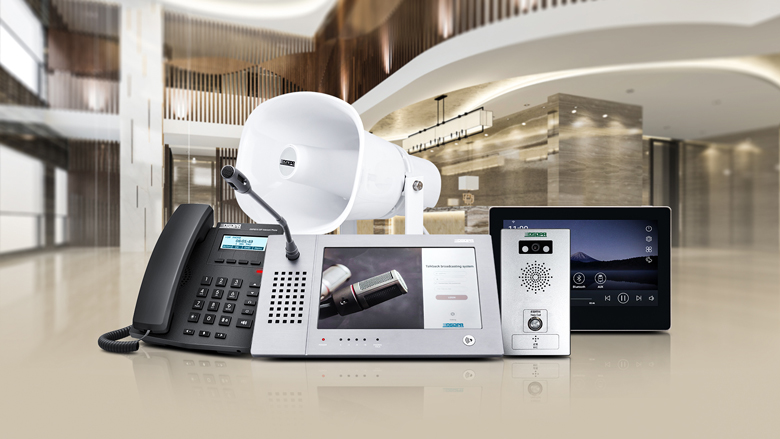
Paging System for Apartment Complexes & HOAs in Texas
Table of Contents
- Why Apartment Complexes and HOAs Need a Paging System
- How a Residential Community Paging System Works
- Types of Paging and Communication Systems for Apartments and HOAs
- Key Benefits for Property Management and Resident Safety
- Drawbacks and Limitations to Consider
- Common Communication Scenarios for Apartments and HOAs
- How to Choose the Right System for Your Property
- Community Paging System Comparison Table
- Cost and Pricing for Texas Apartment and HOA Installations
- Frequently Asked Questions
- Conclusion
- References
Introduction
Managing an apartment complex or HOA community in Texas means balancing two competing priorities every day: keeping residents safe and maintaining a quality living environment while managing a property efficiently with limited staff.
Communication sits at the center of both. When a maintenance emergency affects an entire building, residents need to know immediately. When an unauthorized vehicle is blocking a fire lane, the right person needs to be reached without delay. When a visitor arrives at the gate at 10 PM, there needs to be a reliable, professional way to manage that interaction — whether the office is staffed or not.
A properly designed paging and communication system for apartment complexes and HOAs handles all of these scenarios — and dozens more — from a single, integrated platform. In Texas, where gated communities, multi-building apartment complexes, and large HOA developments are common, these systems are increasingly considered essential property infrastructure rather than an optional amenity.
This guide from Nexlar Security gives Texas property managers, HOA boards, and multifamily development operators a complete picture of what a modern residential community communication system looks like in 2026.
📞 Get a Free Assessment for Your Texas Property
Nexlar Security offers FREE on-site consultations for apartment complexes and HOA communities across Texas. Our licensed team designs communication and security systems that protect residents and simplify property management. 👉 Book Your Free Site Survey Today
Why Apartment Complexes and HOAs Need a Paging System
The communication needs of a multifamily property or gated community are fundamentally different from a single-family home and more complex than a standard commercial office building. Multiple buildings. Multiple entry and exit points. Hundreds of residents. Visitors arriving at all hours. Maintenance teams moving across the property. Emergency situations that require immediate communication with every resident simultaneously.
Without a structured communication system, property managers are reactive rather than proactive — responding to problems after they've already escalated rather than communicating ahead of them. Residents experience frustration, feel unsafe, or simply don't receive critical information in time.
A modern paging system for apartment complexes and HOAs serves three core functions that address these challenges directly. It manages controlled entry — ensuring that visitors, delivery personnel, and contractors are properly identified and admitted without compromising resident security. It delivers property-wide communication — broadcasting emergency alerts, maintenance notifications, and important announcements to all residents instantly. And it integrates with the broader security infrastructure — access control, security cameras, and gate management — to give property management teams complete situational awareness across the entire property.
Nexlar Security serves apartment complexes and HOA communities across Texas, providing integrated security and communication systems designed specifically for multifamily and residential community environments.
How a Residential Community Paging System Works
The communication architecture of an apartment complex or HOA typically combines two interconnected functions: entry point communication and building or property-wide broadcasting.
Entry Point Communication
At the main entrance gate, building lobby doors, clubhouse entries, and other controlled access points, IP video intercom panels allow visitors to select the unit or resident they're visiting and initiate a two-way video and audio call. The resident receives the call on their mobile phone, a unit-mounted handset, or a web interface — sees the visitor through the camera, speaks with them, and grants access by pressing a button that releases the gate or door lock through the integrated access control system.
For properties using Nexlar's automatic gate systems and telephone entry systems, this entire entry management workflow is integrated with paging and access control into a single platform — managed by the property manager from a web interface or mobile app.
Building or Property-Wide Broadcasting
The paging component allows property management staff to broadcast audio messages to all buildings, to specific buildings, or to common areas — pool, clubhouse, parking garage, fitness center — simultaneously. Speakers installed in building corridors, stairwells, community centers, and outdoor common areas receive the broadcast and play the message in real time.
For IP-based systems, broadcasts can be automated — scheduled maintenance notifications, pool closing announcements, office hours reminders — or manually initiated from a management office workstation or mobile device from anywhere on the property.
Emergency alerts — fire evacuations, severe weather warnings, security incidents — can be triggered from a single button press and broadcast simultaneously to every speaker on the property within seconds.
Types of Paging and Communication Systems for Apartments and HOAs
IP Video Intercom with Integrated Paging
The modern standard for Texas apartment complexes and gated communities. IP video intercoms at entry points combine two-way audio and video communication with integrated access control — all connected to the IP paging platform for building-wide broadcasting and emergency alerts. Residents interact with visitors from their phones or unit handsets. Property managers manage the entire system from a web interface.
Telephone Entry Systems with Audio Paging
For communities where full IP video intercom is beyond the current budget, telephone entry systems provide entry point communication through resident mobile phones — connecting a visitor at the gate to the resident's cell phone for access decisions. Basic audio paging can be managed through a separate amplifier for building-wide announcements. Nexlar installs telephone entry systems for Texas communities.
Multi-Tenant IP Paging for Large Complexes
Large apartment complexes with multiple buildings require multi-zone IP paging that can address individual buildings, clusters of buildings, or the entire property independently. Each building is configured as a separate zone — allowing targeted communication to specific buildings without broadcasting property-wide when it's unnecessary.
Analog Overhead Systems for Common Areas
For smaller HOA communities or properties with limited communication needs, a simple analog overhead system in common areas — clubhouse, pool area, community center — provides basic announcement capability at low cost. This approach works for simple use cases but does not support entry management integration or emergency broadcast automation.
Integrated Community Security Platforms
The most comprehensive approach for larger Texas communities. An integrated platform combining IP paging, IP video intercoms, access control systems, automatic gates, and security cameras — all managed from a single interface by property management. Nexlar's integrated security solutions for residential communities provide complete property security and communication management from one platform.
Key Benefits for Property Management and Resident Safety
Professional Visitor Management Without Full-Time Staff
Modern IP video intercom systems allow residents to manage their own visitor access from their phones — 24 hours a day, 7 days a week — without requiring a staffed gatehouse or front desk. Property managers can also manage access and monitor entry activity from a mobile app or web interface at any time.
Immediate Property-Wide Emergency Communication
When a fire alarm activates, a severe weather warning is issued, or a security incident occurs on the property, a paging broadcast reaches every speaker on the property within seconds. Every resident in every building hears the alert simultaneously — without any delay, without requiring residents to check their phones or email.
Reduced Unauthorized Access
Integrated entry management — combining video intercoms, access control, and gate systems — significantly reduces unauthorized access to the property. Every visitor interaction is logged with video, and access decisions are made consciously by residents or property managers rather than through propped doors or unsecured gates.
Remote Property Management Capability
Cloud-managed IP paging and intercom platforms allow property managers to manage entry access, monitor system health, broadcast announcements, and respond to visitor requests from anywhere — a major operational benefit for properties managed by a small team or a management company overseeing multiple Texas communities.
Improved Resident Experience and Retention
Residents in well-managed communities with professional communication systems — clear emergency alerts, smooth visitor management, professional property-wide announcements — report higher satisfaction and are more likely to renew leases. The communication infrastructure directly reflects on the property's management quality.
Integration with Gate and Vehicle Access Systems
When the paging system integrates with Nexlar's automatic gate systems and parking technology platforms, the community has a complete vehicle access management ecosystem. License plate recognition, visitor vehicle logging, and gate release are all connected to the same management platform as the communication system.
Drawbacks and Limitations to Consider
Network Infrastructure Requirements for Older Properties
Many older Texas apartment complexes were built before Cat5e or Cat6 network cabling was standard. Installing a modern IP paging and intercom system in an older property may require network infrastructure upgrades — particularly for running cabling to entry points, building lobbies, and corridor speaker locations.
Resident Adoption for Mobile-Based Entry Systems
IP video intercom systems that deliver visitor calls to resident mobile phones require residents to install an app and register their devices. Some residents — particularly older demographics — may find this process unfamiliar. Property management should plan for a resident onboarding and support process during system transition.
Outdoor Equipment Durability in Texas Climate
Entry point intercoms, outdoor speakers, and gate system components are exposed to Texas heat, UV radiation, humidity, and occasional severe weather. Equipment selection must prioritize outdoor durability ratings appropriate for the Texas climate. Cheaper units fail prematurely in these conditions, creating maintenance costs and security gaps.
Maintenance Responsibility Across Multiple Buildings
Paging systems distributed across multiple buildings on a large property require an organized maintenance program — periodic speaker testing, intercom inspection, software updates, and battery backup checks. Nexlar's maintenance plans support property managers in keeping all system components performing reliably.
Common Communication Scenarios for Apartments and HOAs
Visitor Gate Access
A visitor arrives at the community gate, selects the resident's unit on the intercom panel, and the call connects to the resident's mobile phone. The resident sees the visitor on video, speaks with them, and remotely releases the gate lock — all without leaving their unit.
Delivery and Contractor Management
Package delivery drivers, maintenance contractors, and vendor service teams communicate through the entry system rather than through a gatehouse or front desk staff. Access permissions are pre-configured in the system for approved vendors, and visitor access logs are maintained automatically.
Emergency Fire or Weather Alert
A fire alarm activates in Building 3. The integrated paging system immediately broadcasts an evacuation announcement specifically to Building 3's corridors and common areas, while the property manager simultaneously sends a property-wide alert to all buildings notifying residents of the situation.
Pool and Amenity Closing Announcements
Scheduled announcements broadcast automatically at programmed times — notifying residents of pool closing, quiet hours starting, or planned maintenance activities — without requiring any staff member to manually initiate the broadcast.
After-Hours Security Communication
A patrol officer notices an unauthorized vehicle in a fire lane at 11 PM. The officer broadcasts a vehicle removal notice to Building 2's corridor speakers — reaching residents in the relevant building without disturbing the rest of the property.
HOA Meeting and Community Notices
Property-wide announcements about upcoming HOA meetings, community events, water shutoffs, and parking lot maintenance are broadcast through the paging system — reaching residents throughout the property instantly rather than relying on flyers or email that may go unread.
How to Choose the Right System for Your Property
Assess Your Entry Point Management Requirements
Map every controlled access point on your property — main gate, secondary gates, building lobby doors, pool entrance, clubhouse. Each entry point that requires visitor management needs an appropriate intercom or call point configured for that access level.
Define Your Zone Architecture for Building-Wide Communication
For multi-building properties, identify which buildings and common areas need independent paging zones. Most Texas apartment complexes benefit from separate zones per building plus separate zones for common areas — pool, clubhouse, parking garage, fitness center.
Evaluate Your Network Infrastructure
IP paging and intercom systems require network connectivity at entry points, in building corridors, and at common area speaker locations. Assess your current cabling infrastructure and identify any network upgrades required before system design begins.
Prioritize Emergency Communication Capability
Define your emergency communication scenarios — fire, severe weather, security incident — and ensure the system you specify supports immediate, automated broadcast to all relevant zones with a single trigger.
Consider Integration with Your Gate and Access Control Systems
For gated communities, integrating the paging system with your gate management and access control platform delivers the greatest operational value. Nexlar designs and installs integrated gate, access control, and paging systems for Texas communities as complete, unified projects.
Community Paging System Comparison Table
| Feature | Basic Analog | IP Paging System | IP + Intercom + Gate |
|---|---|---|---|
| Entry Point Communication | No | Partial | Yes |
| Video Visitor Verification | No | No | Yes |
| Building-Wide Broadcast | Basic | Yes | Yes |
| Zone-Specific Communication | No | Yes | Yes |
| Emergency Broadcast Automation | No | Yes | Yes |
| Remote Management | No | Yes | Yes |
| Mobile App for Residents | No | No | Yes |
| Gate Integration | No | No | Yes |
| Access Control Integration | No | Yes | Yes |
| Security Camera Integration | No | Yes | Yes |
| Upfront Cost | Low | Medium | Medium – High |
| Best For | Small community centers | Multi-building complexes | Full gated community management |
Cost and Pricing for Texas Apartment and HOA Installations
| Property Type | Recommended System | Estimated Cost Range |
|---|---|---|
| Small HOA Community Center | Basic Analog or Entry IP | $2,500 – $8,000 |
| Small Apartment Complex (1–2 buildings) | IP Paging + Intercom | $8,000 – $20,000 |
| Mid-Size Apartment Complex (3–8 buildings) | IP Multi-Zone + Video Intercom | $18,000 – $45,000 |
| Large Gated Community (9+ buildings) | Full Integrated Platform | $40,000 – $100,000+ |
| Multi-Community HOA Portfolio | Cloud-Managed IP | Custom — contact Nexlar |
These estimates include entry intercom panels, corridor and common area speakers, IP paging controller, access control integration, and installation labor. Gate system integration, network infrastructure upgrades, and outdoor equipment for Texas climate conditions may affect final project cost. Nexlar provides fully itemized quotes after every free on-site property assessment.
💡 Protect Your Residents and Simplify Property Management
Nexlar designs integrated communication and security systems for Texas apartment complexes and HOA communities — combining paging, video intercom, access control, and gate management in one platform. 👉 Schedule Your Free On-Site Survey Today
Frequently Asked Questions
Q: What is a paging system for an apartment complex?
A: A paging system for an apartment complex is a communication platform that broadcasts audio announcements through speakers installed in building corridors, stairwells, common areas, and outdoor spaces — allowing property management to reach all residents simultaneously. It handles emergency alerts such as fire evacuations and severe weather warnings, routine property announcements, and scheduled notifications. Modern IP paging systems for apartments integrate with video intercom entry panels and access control systems for complete property communication and entry management.
Q: How does a visitor entry intercom system work at an apartment complex?
A: A visitor arriving at a gated entrance or building lobby door presses the call button on an IP video intercom panel and selects the resident or unit they're visiting. The system places a call to the resident's mobile phone or unit handset — displaying a live video feed of the visitor. The resident speaks with the visitor and, if they choose to admit them, presses a button on their phone or handset that releases the gate or door lock through the integrated access control system. All entry activity is logged automatically with video footage and timestamps.
Q: Can a paging system broadcast emergency alerts to all apartments simultaneously?
A: Yes. A properly designed IP paging system with speakers installed in building corridors, stairwells, and common areas can broadcast an emergency announcement to all buildings on the property simultaneously within seconds of a trigger activation. The trigger can be a manual button press from the management office, a software interface on any authorized device, or an automatic signal from the property's fire alarm panel. This capability is critical for fire evacuation, severe weather, and security incident communication.
Q: What is the difference between a paging system and an intercom system for apartments?
A: A paging system broadcasts one-way audio announcements from a central source to speakers throughout the property — used for emergency alerts, property announcements, and scheduled notifications. An intercom system enables two-way communication between specific points — typically between a visitor at an entry panel and a resident's phone or handset. Most modern Texas apartment complexes benefit from both systems integrated together: paging for property-wide communication and intercoms for controlled visitor entry management.
Q: Can property managers control the paging and intercom system remotely?
A: Yes. Cloud-managed IP paging and intercom platforms allow property managers to manage visitor access, broadcast announcements, update entry permissions, review access logs, and monitor system health from any internet-connected device — a computer, tablet, or smartphone. This is especially valuable for management companies overseeing multiple Texas properties, allowing centralized oversight without requiring a physical presence at each community.
Q: Does a paging system for an apartment complex need to integrate with the gate system?
A: Integration between paging, intercom, and gate systems is not required, but it delivers significantly greater operational value when implemented together. An integrated system allows visitors to communicate through the entry intercom and be admitted through the gate from a single unified platform — with all entry events logged in one place. Nexlar designs and installs integrated gate, intercom, paging, and access control systems for Texas gated communities as complete, coordinated projects.
Q: How much does a paging and intercom system cost for a Texas apartment complex?
A: Costs range from approximately $8,000 for a small one or two-building apartment complex with basic IP paging and a single entry intercom to $100,000 or more for a large gated community with multiple buildings, multiple entry points, video intercom panels, gate integration, and full access control. The final cost depends on the number of buildings, entry points, speaker count, integration requirements, and network infrastructure readiness. Nexlar provides detailed, itemized quotes after every free on-site property assessment.
Conclusion: Modern Texas Communities Deserve Modern Communication Infrastructure
Apartment complexes and HOA communities across Texas are increasingly expected to provide the safety, convenience, and professionalism of a well-managed, technology-enabled property. A modern paging and communication system — combining IP audio broadcasting, video intercom entry management, access control integration, and gate management — is the foundation of that expectation.
The properties that invest in integrated communication infrastructure see the results: lower unauthorized access incidents, faster emergency response, higher resident satisfaction, and simpler day-to-day management for property teams of every size.
Nexlar Security has designed and installed integrated security and communication systems for apartment complexes and HOA communities across Houston, Dallas, San Antonio, Austin, Fort Worth, and San Marcos. Our licensed team (License# B14634) manages the full project scope — from site assessment and system design through installation, resident onboarding support, and long-term maintenance.
Book your FREE on-site consultation today and let Nexlar design the right communication and security system for your Texas community.
References
- Texas Department of Licensing and Regulation (TDLR) — Low Voltage Contractor Licensing
- Texas Property Code — Tenant Rights and Property Management Requirements
- NFPA 72 — National Fire Alarm and Signaling Code (2022 Edition)
- OSHA 1910.165 — Employee Alarm Systems Standard
- Nexlar Security — Apartment Complex Security: nexlar.com/security-for-apartment-complex-condominium
- Nexlar Security — HOA Security Systems: nexlar.com/homeowners-association-security
- Nexlar Security — Automatic Gates: nexlar.com/automatic-gates
- Nexlar Security — Telephone Entry Systems: nexlar.com/access-control-systems/houston-telephone-entry-systems
Follow Us