

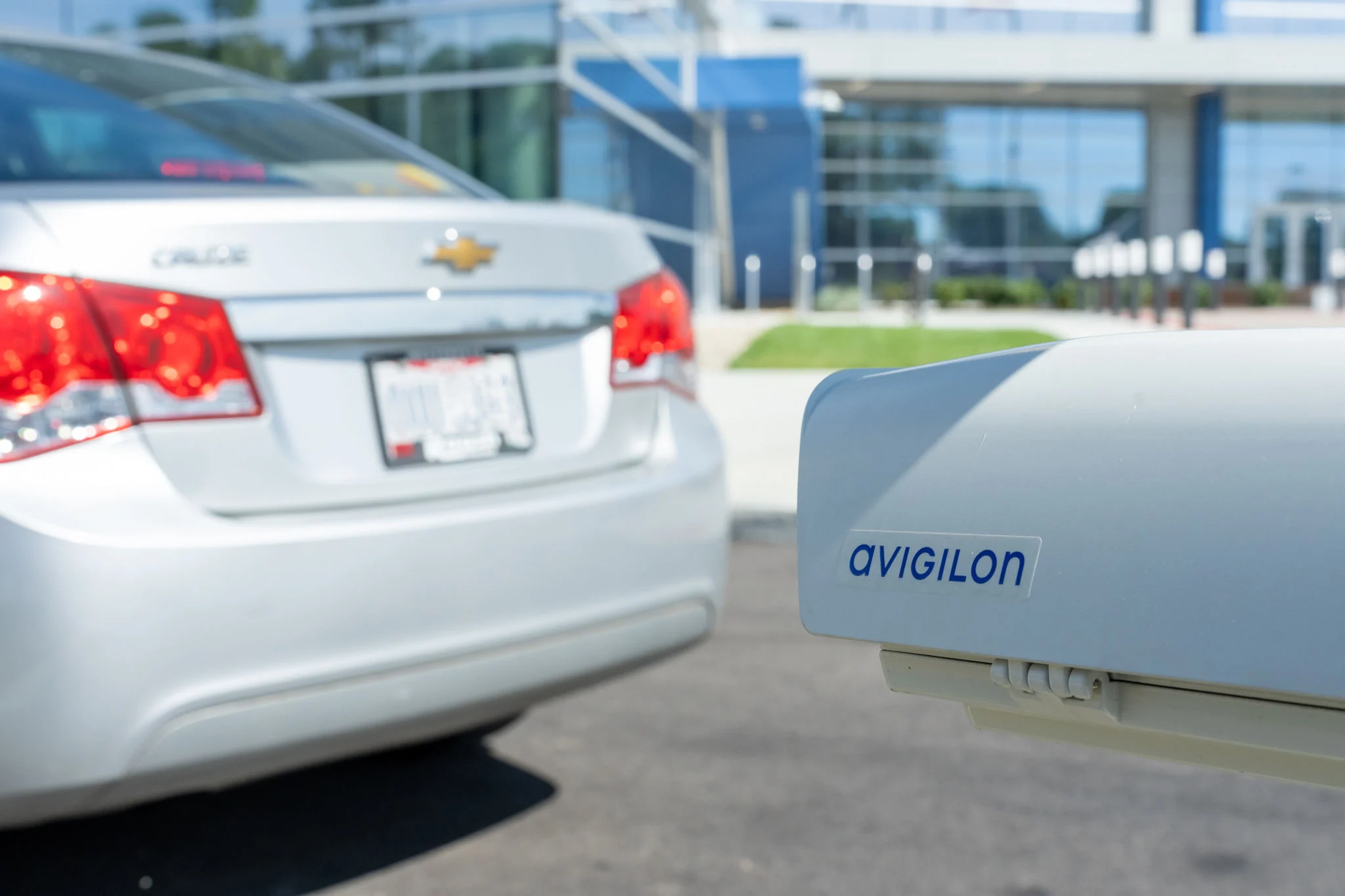
Austin’s multifamily housing market and the surrounding suburban communities of Round Rock, Cedar Park, Pflugerville, and Georgetown have expanded significantly over the past decade, driven by the metro area’s population growth and the concentration of technology employment in the northern and northwestern corridors.
The gated apartment communities and HOA subdivisions in these areas face a vehicle access control challenge that has evolved beyond what traditional RFID transponder and gate remote systems address well. Resident vehicle populations at large Austin apartment communities can include hundreds of registered vehicles, with significant turnover as residents move in and out. HOA communities manage not just resident vehicles but also contractor fleets, guest vehicles during extended visits, and delivery vehicles operating during business hours.
Managing this vehicle population through physical transponders or remote controllers creates ongoing administrative burden: issuing transponders to new residents, collecting them from departing residents, replacing failed or lost units, and dealing with the fact that a significant portion of vehicle access credentials in any large community are unaccounted for at any given time because collection at move-out is inconsistently enforced.
License plate recognition provides an alternative vehicle identification credential that requires nothing in the vehicle, is never lost or demagnetized, and creates an automatic, timestamped vehicle entry log that physical transponder systems cannot match. A vehicle’s plate is its credential. Registration of the plate number in the LPR system is the enrollment step. Departing residents’ plates are deregistered immediately, with no physical credential collection required.
This guide covers how dedicated LPR cameras differ from standard video cameras, how they overcome the specific technical challenges of Austin gate environments, and how they link to gate controllers for automated vehicle access.
Get a Free LPR Camera Assessment for Your Austin or Round Rock Community
Nexlar Security designs and installs LPR camera systems for apartment communities and HOA gates across Austin and Round Rock. Contact Nexlar at nexlar.com/contact or call (281) 407-0768
Dedicated LPR Cameras vs. Standard Video Cameras: The Technical Difference
This distinction matters more than most property managers realize when evaluating camera systems for gate entry positions. Standard video cameras are not license plate recognition cameras. They are general-purpose surveillance cameras that happen to have a camera lens, and under certain conditions they can capture an image of a license plate. Under other conditions, particularly at night with oncoming vehicle headlights and at normal vehicle approach speeds, they cannot.
Dedicated LPR cameras are purpose-built for the specific optical and electronic task of capturing readable plate images under the full range of conditions that exist at a real-world vehicle gate entry lane. The key technical differences are substantial. [1]
Lens focal length. A standard wide-angle surveillance dome camera uses a short focal length lens to cover a wide field of view. This is appropriate for general area surveillance but produces a small image of a license plate at the distances where vehicles approach a gate. A dedicated LPR camera uses a longer focal length lens calibrated to the specific lane distance, producing a magnified image of the plate that is large enough in the image frame for accurate character reading.
Shutter speed. Vehicle motion blur is the primary technical challenge in plate capture at real-world approach speeds. A camera with a standard shutter speed of 1/30 second produces a blurred image of a plate on a vehicle moving at 10 mph. A dedicated LPR camera uses a very fast shutter speed, typically 1/1000 second or faster, that freezes the plate image at normal vehicle approach speeds.
Dedicated IR illumination. Standard cameras with built-in IR illumination provide illumination across their entire field of view. Dedicated LPR cameras use a focused IR illuminator that concentrates illumination specifically on the plate area of the lane, producing a high-contrast plate image regardless of ambient light level or vehicle headlight intensity.
These three differences together produce a system that consistently captures readable plate images at normal vehicle approach speeds, in nighttime conditions, and under headlight glare, while standard surveillance cameras fail under the same conditions.
Overcoming Night Headlights at Austin Gate Entry Lanes
Oncoming vehicle headlights are the most demanding technical challenge for plate capture at Austin apartment and HOA gate entry lanes, and the reason that so many installations of standard cameras at gate positions produce footage of high-quality headlight blobs with no readable plate information.
The headlight problem occurs because of wide dynamic range: the camera must handle simultaneous bright headlights in the center of its field of view and a much darker license plate in the lower portion of the vehicle front. Standard cameras, even those with WDR capability, compress this dynamic range in a way that either blows out the plate area (washed out by the headlight exposure correction) or produces a silhouette of the vehicle with the plate invisible in shadow.
Dedicated LPR cameras address this through a combination of specialized IR illumination and specialized exposure control. The focused IR illuminator floods the plate area with near-infrared light that is invisible to the driver but creates a bright reflective signal from the retroreflective material used in license plate manufacturing. The camera’s sensor is calibrated to the IR wavelength rather than to visible light, so the plate appears brightly lit in the image regardless of visible light conditions. The headlights, which emit primarily visible light rather than IR, are handled by the IR filter in the camera’s optical path and do not overwhelm the plate image. [1]
This IR-reflective approach produces consistent plate capture in complete darkness, under high-beam headlights, and under the mixed ambient and headlight conditions that characterize Austin gate entry lanes during evening peak traffic periods.
Extreme Weather and High-Speed Motion Plate Capture
Austin and Round Rock experience a range of weather conditions that affect gate entry camera performance: heavy rain from Gulf moisture systems, hail, high summer heat, and occasional ice events in winter. All of these conditions affect the performance of gate cameras in ways that must be addressed in the hardware specification.
Rain and water spray. Water on the plate surface reduces retroreflectivity and can cause character blurring in plate capture. Dedicated LPR cameras with fast shutter speeds minimize the effect of rain-streaked plate images by reducing exposure time, and the focused IR illumination compensates for reduced retroreflectivity from wet plates to a degree that standard cameras cannot.
Direct sun exposure. Austin gate cameras at south or west-facing positions can be exposed to direct sun that washes out plate images during afternoon peak traffic. LPR cameras with properly configured IR-only imaging mode are less affected by direct sunlight than visible-light cameras because they filter the visible spectrum and operate in the IR band.
High-speed approach. While most Austin apartment gate entries involve vehicles slowing to approach the gate, HOA main entry lanes with speed tables and some commercial gate entries involve vehicles at higher approach speeds. Dedicated LPR cameras rated for plate capture at speeds up to 100 mph or more accommodate the full range of approach speeds at Austin and Round Rock vehicle entry points.
For Nexlar’s full range of security camera solutions for Austin multifamily properties including parking lot coverage, visitor documentation, and integrated gate systems, visit the security-for-apartment-complex-condominium.
Linking LPR Cameras to Automated Gate Controllers
The most operationally valuable application of LPR at Austin and Round Rock community gates is the direct link between the LPR camera’s plate read output and the gate controller’s open command, creating an automated vehicle access system where a registered vehicle’s plate opening the gate requires no action from the driver.
The technical architecture of this integration involves three components. The LPR camera captures the plate image and sends the recognized plate text to the LPR software platform. The LPR software compares the plate text against the authorized vehicle database and determines whether the plate is registered as an authorized resident vehicle. If the plate is authorized, the LPR software sends an open command to the gate controller through a relay or network connection.
The entire sequence from plate capture to gate opening takes less than two seconds at optimal setup, allowing the gate to begin opening before the vehicle reaches it. The resident approaches at normal speed, the gate opens, and they drive through without stopping, pressing a button, or interacting with any device. [2]
For the community management team, the LPR system maintains a complete log of every vehicle that passed through the gate: plate number, time, and whether access was granted or denied. When a resident reports that their vehicle was not recognized, the management team can review the log to identify whether the plate was captured correctly, whether it was enrolled in the authorized database, and whether there are discrepancies between the registered plate and the vehicle’s actual plate.
This connects naturally with the gate access control systems Nexlar installs for Austin HOA communities. Visit Nexlar’s automatic gates for more on gate operators, controllers, and the access systems that LPR integrates with.
LPR for Apartment Access Control vs. HOA Gate Management
The specific LPR deployment requirements differ between apartment community gates and HOA residential subdivision gates in ways that affect hardware specification and management platform selection.
Apartment community gates manage a high-turnover vehicle population with frequent new registrations and deregistrations as residents move in and out, a guest vehicle policy that may allow registered guest plates during specific visit windows, and often a delivery and vendor vehicle access workflow that requires temporary authorization for expected vehicles. The LPR management platform for an apartment community must support rapid plate enrollment and deregistration tied to lease events, ideally through integration with the property management software (Entrata, RealPage, Yardi) that already manages the resident database.
HOA subdivision gates manage a more stable resident vehicle population with less frequent turnover, but often with more diverse vehicle categories: resident daily drivers, additional resident vehicles, contractor service vehicles, housekeepers, and short-term rental guests in communities where STRs are permitted. The HOA management team needs LPR plate management capability that allows them to create time-limited authorizations for contractor and service vehicle access without enrolling these vehicles as permanent residents.
Both communities benefit from the HOA security solutions that Nexlar provides, which integrate LPR cameras with gate controllers, cloud management platforms, and the visitor management workflows appropriate for each community type.
Cost and Pricing for Austin and Round Rock LPR Installations
| Installation Scope | Estimated Cost Range |
|---|---|
| Single-Lane LPR Camera (per lane, installed) | $2,500 to $7,000 |
| Dual-Lane Entry (entry and exit, with gate integration) | $6,000 to $16,000 |
| LPR Software Platform (per site per month) | $100 to $400 |
| Property Management Software Integration | $1,500 to $4,000 |
| Full Community System (LPR plus gate operator plus controller) | $10,000 to $30,000 |