

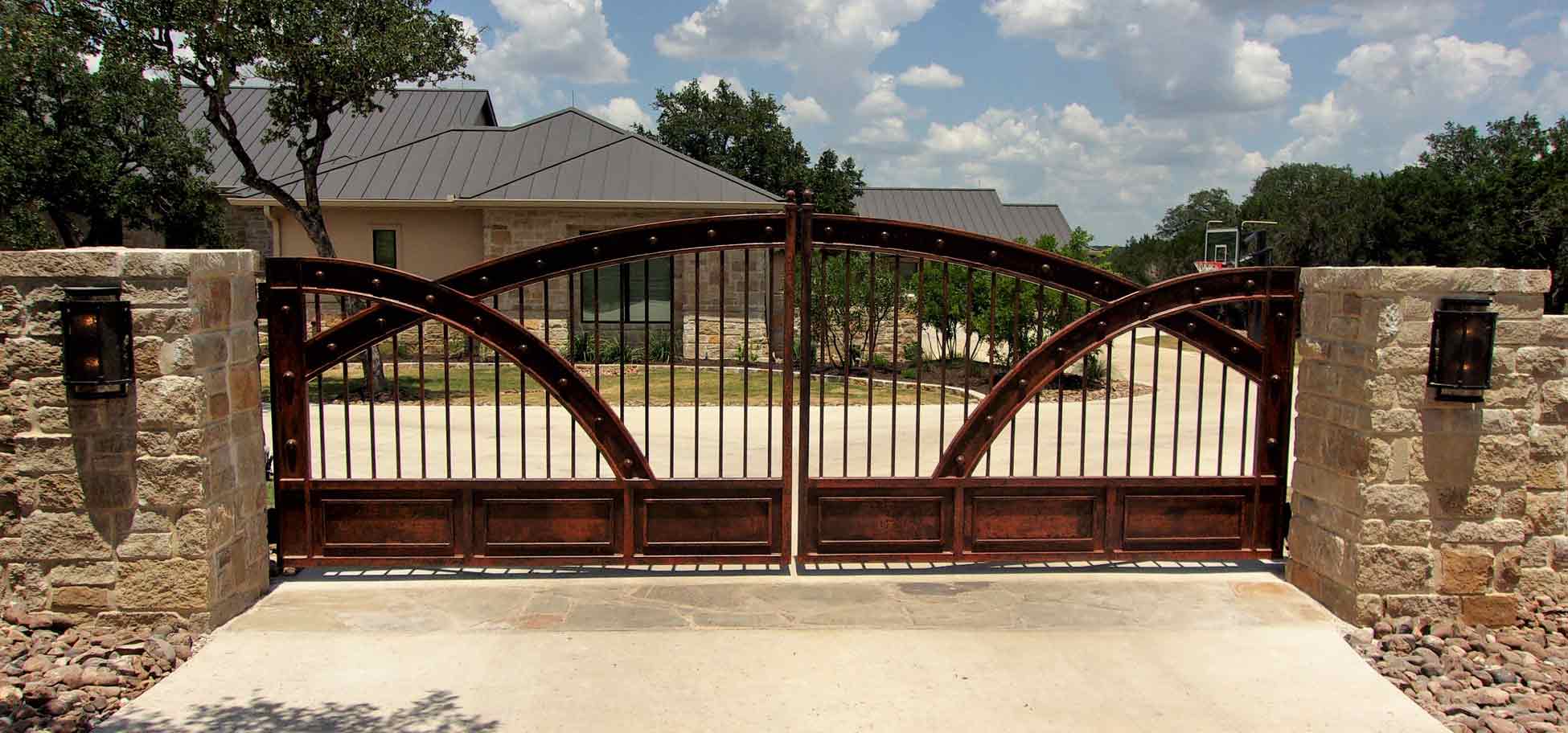
Houston’s gated community and planned subdivision market has expanded significantly over the past decade, particularly in the high-growth western and northwestern corridors that include Katy, Cypress, Cinco Ranch, Sugar Land, and the master-planned communities along the Grand Parkway. These communities share a set of security camera requirements that differ from both commercial camera installations and single-family residential systems.
The camera system for a gated HOA community must serve multiple stakeholders simultaneously. Residents expect the system to deter crime, document incidents in common areas, and support the community’s security posture. The HOA board and management company need access to footage for incident investigation without requiring a professional visit to pull recordings. Gate operators need camera coverage that clearly documents every vehicle entering and exiting, even in the headlight glare conditions that make standard cameras fail at gate positions. And the broader community needs assurance that camera placement respects the privacy of residential property while covering common areas effectively.
These requirements shape every hardware and placement decision in a well-designed Houston HOA camera system. This guide covers the specific technologies and deployment strategies that Nexlar recommends for Houston and Katy gated community camera installations. For communities evaluating both camera and gate access control systems, Nexlar’s HOA security solutions covers integrated approaches that serve both security functions.
Get a Free HOA Camera Assessment for Your Houston or Katy Community
Nexlar Security designs and installs HOA camera systems for gated communities across Houston and the Katy area. Free on-site evaluation. Contact Nexlar at nexlar.com/contact or call (281) 407-0768
License Plate Reads at Gated Entrances Under Headlight Conditions
License plate recognition at gated community entrances is the most technically demanding camera position in an HOA installation. The combination of variables at a gate entry lane creates conditions that standard cameras handle poorly: oncoming headlights from vehicles approaching the camera position, highly variable ambient light from daytime to nighttime, vehicle speeds ranging from near-stop to approaching speed, and the physical requirement of capturing a plate from a camera mounted above or beside the lane rather than in a direct line-of-sight position.
Successful license plate capture at Houston HOA gate entrances requires cameras specifically designed for license plate imaging rather than general surveillance. The key specifications are a narrow focal length calibrated to the plate distance, dedicated IR illumination that provides consistent plate-level lighting regardless of vehicle headlight intensity, and wide dynamic range (WDR) processing that handles the simultaneous bright headlight source and dark plate background without blowing out the image.
Axis Communications’ license plate verification camera series and Hikvision’s license plate recognition cameras are the primary hardware options Nexlar specifies for Houston gated community gate positions. These cameras produce plate capture results that remain consistent at approach speeds up to 25 mph and in the headlight-high-beam conditions that are typical of evening gate entry traffic in Houston residential communities. [1]
For communities that want to use plate capture for access control rather than just documentation, integration between the LPR camera and the gate access control system creates a complete vehicle entry system: a vehicle with a pre-registered plate number automatically triggers gate opening when the LPR camera reads the plate, without requiring a gate clicker, a PIN code, or any driver action. This approach is particularly valuable for Houston HOA communities with high resident turnover or large vehicle populations where RFID transponder management has become administratively burdensome.
Vandal-Resistant Dome Cameras for Parks, Pools, and Common Areas
Common area camera coverage in Houston and Katy HOA communities presents a different set of requirements from the gate entrance position. Parks, community swimming pools, pavilions, tennis courts, and walking trail intersections all require cameras that can withstand the environmental conditions of Houston’s climate and the physical exposure of outdoor mounting without deterioration that would compromise image quality or create a maintenance burden over time.
Vandal resistance is a specific hardware rating (IK08 or higher under the IEC 62262 standard) indicating the camera housing’s resistance to physical impact. [2] Common areas in Houston HOA communities are exposed to direct resident interaction and the accidental impacts of recreational use in a way that commercial property cameras typically are not. A dome camera mounted on a pavilion post at a community park is within reach of residents of all ages and at risk of accidental contact, ball impact, and in some cases deliberate vandalism. IK10-rated camera housings withstand significant direct impact without damage to the camera or its dome window.
Outdoor ratings for Houston climate. All HOA common area cameras must be IP66 rated at minimum, protecting against the driving rain that Houston thunderstorms produce. For cameras mounted in locations with direct sun exposure during Houston’s summer, UV-stable housing materials and operating temperature ratings above 60 degrees Celsius (140 degrees Fahrenheit) are specified to prevent premature housing degradation.
Pool area considerations. Camera placement near community swimming pools requires careful positioning to provide safety and security coverage of the pool deck and gate area without creating footage that captures minors in the pool in ways that generate privacy concerns. The standard approach is camera positioning that covers the pool gate entry, the pool deck perimeter, and the surrounding common area from elevated positions that do not provide close-range footage inside the pool area.
Trail and perimeter cameras. For Houston HOA communities with walking trails, perimeter fences, or greenbelt areas adjacent to the residential lots, fixed cameras at trail entry points and key intersection positions provide coverage of common area movement without requiring cameras along the full trail length.
Cloud Video Portals for HOA Board Remote Management
The HOA board members and property management company responsible for a Houston gated community’s security cannot realistically be on-site whenever a camera incident needs to be reviewed. A camera system that requires a technician visit to pull footage, or that requires board members to travel to a security office to review recordings, fails to serve the operational reality of how HOA management works.
Cloud-based video management systems provide HOA boards with role-appropriate remote access to camera footage from any internet-connected device, with access controls that define which cameras each user can view and under what circumstances.
For a typical Houston HOA camera deployment, the access structure works as follows. The property management company receives administrator access covering all cameras and all footage, for incident investigation and system management. Board members receive viewer access covering common area cameras during the scope of their board term, for incident review and oversight. Individual residents do not receive direct camera access, but may submit footage requests through the property management company’s incident reporting process when they are involved in a documented incident.
This access structure means that when a resident reports a vehicle break-in in the community parking area on Saturday night, the property manager can review the relevant gate entry footage and parking area footage from their laptop on Sunday morning without scheduling a service visit or contacting a technician. The cloud portal provides the footage review capability directly. Nexlar configures cloud access portals for Houston HOA clients as part of the standard installation scope for every community camera project. Visit Nexlar’s security camera systems to understand the broader platform options available for HOA deployments.
For HOA communities managing gate access control alongside the camera system, integration between the camera platform and the gate access log means that the manager reviewing parking area footage can also see the corresponding gate entry records showing which vehicles entered the community during the incident timeframe, from the same management interface. Nexlar’s automatic gates explains how gate access systems work in tandem with camera deployments.
Night and Low-Light Performance for Houston HOA Cameras
Houston’s subtropical climate and the extensive vegetation in many planned communities create lighting conditions that are challenging for standard cameras. Tree canopy reduces ambient light levels below open-area conditions, and the combination of streetlight glare and deep shadows in tree-covered common areas creates high-contrast scenes that standard WDR cameras struggle with.
For Houston and Katy HOA common area cameras, low-light performance is a specification requirement that directly affects whether the camera produces usable footage during the evening hours when most common area incidents occur. The Sony Starvis and Starvis 2 image sensor platform, used in cameras from Axis, Hanwha, and Hikvision, produces color footage at lighting levels as low as 0.001 lux, which is the approximate light level of a community park lit only by distant streetlights. This sensor technology eliminates the grainy, color-shifted footage that standard cameras produce in these conditions.
For cameras in completely dark areas, integrated IR illumination provides reliable monochrome coverage. For HOA communities where common area lighting is part of the overall security plan, coordinating camera position with lighting fixture placement to ensure cameras operate within their optimal sensitivity range produces the best long-term system performance.
Cost and Pricing for Houston and Katy HOA Camera Installations
| Installation Scope | Estimated Cost Range |
|---|---|
| Gate LPR Camera (per lane, installed) | $2,500 to $6,000 |
| Common Area Dome Camera (per unit, installed) | $600 to $1,800 |
| Small Community (4 to 8 cameras, basic NVR) | $6,000 to $18,000 |
| Mid-Size Community (8 to 20 cameras, cloud NVR) | $15,000 to $40,000 |
| Large Community with LPR and Full Common Area Coverage | $30,000 to $75,000 |
| Cloud Management Subscription | $100 to $400 per month per community |