

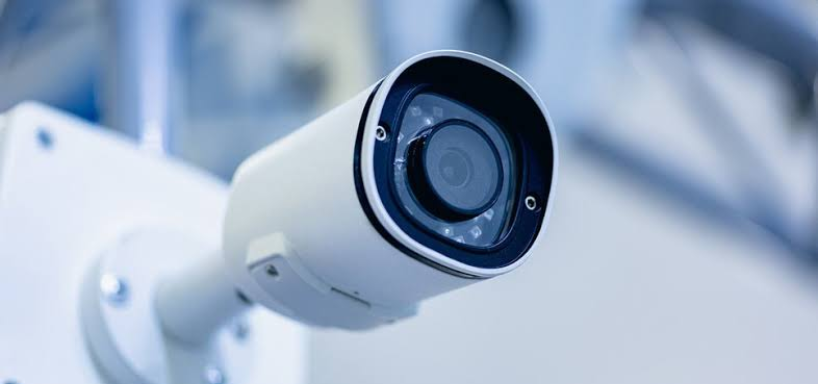
Austin’s technology sector has spent the past decade moving critical business infrastructure to the cloud. Communication platforms, CRM systems, financial software, development pipelines, and HR platforms all run on managed cloud infrastructure for Austin’s tech companies. The on-premise server room has progressively shrunk to the point that many Austin startups have never installed one.
The commercial security camera system has been slower to follow this migration than most business systems, largely because the traditional security industry was built around on-premise hardware. A network video recorder (NVR) sits in a server closet, cameras feed footage to it over the local network, and accessing that footage from outside the office requires a VPN connection or a remote access configuration that IT teams manage alongside everything else.
For Austin technology companies, this model creates friction. The IT team that manages everything else through a browser now needs to maintain a dedicated physical appliance for the camera system. Remote executives cannot access camera footage without a VPN that may be blocked, slow, or unavailable on the device they have at hand. Adding a satellite office means installing another NVR, configuring another remote access setup, and managing two separate camera systems.
Cloud video surveillance from platforms including Eagle Eye Networks and Verkada eliminates these friction points by applying the same cloud architecture to physical security that Austin tech companies already use for every other business system. This guide covers how these platforms work, what they cost, and how Nexlar installs and supports them for Austin commercial clients.
For a broader overview of Nexlar’s commercial camera capabilities in Austin, visit the security camera systems.
Get a Free Cloud Camera Assessment for Your Austin Business
Nexlar is a certified Eagle Eye Networks and Verkada installer serving Austin tech offices, startups, and multi-location businesses. Contact Nexlar at nexlar.com/contact or call (281) 407-0768
How Commercial Cloud Video Surveillance Works
In a traditional NVR-based camera system, every camera streams footage over the local network to the NVR recorder, which stores it on internal hard drives. Reviewing footage requires physical or remote access to the NVR. If the NVR hardware fails, footage is lost until the unit is repaired or replaced.
In a cloud-based camera system, footage is captured at the camera, compressed, and transmitted to the cloud platform’s storage infrastructure over the facility’s internet connection. The management software runs as a web application accessible through any browser, on any device, from any location with internet access.
Cloud platforms use one of two architectural approaches. In a gateway-based approach such as Eagle Eye Networks, an on-site Bridge device aggregates footage from multiple cameras, compresses it, and uploads it to the cloud. This architecture reduces bandwidth requirements significantly and allows integration of cameras from multiple manufacturers. In a camera-based approach such as Verkada, each camera includes on-board storage and an embedded cellular or Wi-Fi connection to the cloud platform, operating without any separate gateway device.
Both approaches deliver the same core benefits over NVR systems: browser-based access from any device, automatic platform software updates from the cloud provider, cloud-managed storage that scales without hardware changes, and unified multi-location management from a single account.
Eagle Eye Networks for Austin Commercial Installations
Eagle Eye Networks is headquartered in Austin, Texas, making it the locally relevant cloud camera platform for Austin businesses evaluating cloud surveillance. The company operates a purpose-built secure cloud infrastructure specifically for video surveillance, distinct from general-purpose cloud providers.
The Eagle Eye architecture centers on the Bridge device, installed at each location, which compresses and manages the upload of footage from all cameras at that location to the Eagle Eye cloud. This compression approach reduces bandwidth consumption significantly compared to raw stream upload, making Eagle Eye deployable over standard Austin business internet connections without requiring fiber or dedicated circuits.
Eagle Eye’s open hardware architecture supports cameras from Axis, Hanwha, and dozens of other manufacturers alongside Eagle Eye’s own camera line. For Austin businesses with existing cameras, Eagle Eye can often incorporate compatible existing hardware into the cloud platform without requiring full camera replacement.
The Eagle Eye platform is NDAA Section 889 compliant across its full ecosystem, a specification requirement for Austin government contractors and enterprises with federal cybersecurity alignment policies. Nexlar provides NDAA compliance documentation for Eagle Eye installations as a standard deliverable for Austin clients requiring it.
Verkada: The Integrated Cloud Camera Option
Verkada takes a tightly integrated approach where the camera hardware, on-board storage, and cloud management platform are designed as a single system. Verkada cameras include built-in flash storage providing up to 365 days of local footage retention, combined with cloud management, analytics, and remote access through the Verkada Command platform.
For Austin tech offices that want to avoid any on-site gateway hardware, Verkada’s architecture eliminates the Bridge device entirely. Each Verkada camera connects to the Verkada Command cloud platform directly through the local network, with on-board storage handling footage continuity during any internet outage.
The Verkada Command dashboard provides live view, footage review, AI analytics, and user access management from a single interface. Camera enrollment is straightforward: cameras connect to the local network and register with the Verkada account automatically, appearing in the Command dashboard within minutes of connection.
Verkada’s AI analytics are embedded in the camera hardware and include person detection, vehicle detection, crowd detection, and license plate recognition on compatible models. These analytics reduce false alert volume compared to simple motion detection and enable the event-based footage search that makes incident investigation faster for Austin security teams.
Dynamic Storage Scaling Through Browser Subscriptions
One of the most operationally significant advantages of cloud surveillance over NVR-based systems for Austin businesses is the ability to change footage retention periods instantly through a subscription adjustment rather than a hardware change.
On an NVR system, extending retention from 30 days to 90 days requires purchasing additional hard drives, installing them, and potentially upgrading the NVR chassis to accommodate the additional storage. This is a hardware change that requires a service visit and creates a maintenance burden.
On Eagle Eye Networks or Verkada, extending retention for any camera or group of cameras is a browser-level configuration change that takes effect immediately and is reflected in the monthly subscription billing. When a compliance requirement, an enterprise client contract, or a lease requirement specifies a 90-day footage retention period, the Austin business updates its cloud platform subscription rather than scheduling a hardware upgrade.
This flexibility is particularly valuable for Austin startups scaling through growth phases. A 20-person company may need 14 days of retention across 6 cameras. When that company raises a Series B and acquires enterprise clients with security requirements in their vendor contracts, upgrading to 90-day retention across 20 cameras is a subscription change, not a capital project. Nexlar’s Austin security systems covers more about scalable security infrastructure for Austin’s growing tech companies.
Unified Dashboard for Austin and Satellite Offices
For Austin technology companies that have expanded to offices in Dallas, California, New York, or internationally, cloud video surveillance delivers a management capability that on-premise NVR systems require complex engineering to replicate: unified visibility across every location from a single browser session.
An Austin-based security or operations manager opens the Eagle Eye or Verkada dashboard and sees live camera feeds from the Austin headquarters, the San Francisco satellite, and the New York regional office simultaneously. Reviewing footage from the San Francisco office for a reported incident requires no VPN connection, no location-specific login, and no special configuration. The footage is in the same cloud platform, accessible with the same user account, in the same browser.
User permission management is equally unified. A regional manager who needs access to their location’s cameras but not other locations is configured in the central account with location-specific permissions. The permission applies instantly at every location’s camera system simultaneously.
This unified management connects logically with cloud-managed access control systems that Nexlar deploys for Austin multi-location clients. When the camera platform and the access control platform share a unified management interface, security operations become genuinely centralized rather than distributed across multiple disconnected systems. Explore this integration at Nexlar’s integrated security.
Cost and Pricing for Austin Cloud Camera Installations
| Installation Scope | Estimated Cost Range |
|---|---|
| Small Austin Office (6 to 12 cameras, Eagle Eye) | $5,000 to $14,000 installed |
| Mid-Size Austin Office (12 to 30 cameras) | $12,000 to $35,000 installed |
| Verkada Installation (per camera installed) | $400 to $1,200 per camera |
| Eagle Eye Cloud Subscription (30-day retention) | $5 to $15 per camera per month |
| Eagle Eye Cloud Subscription (90-day retention) | $15 to $35 per camera per month |
| Verkada Annual License (per camera) | $200 to $600 per camera per year |
| Multi-Site Platform Setup (3 to 5 Austin locations) | $2,000 to $5,000 additional |