

Burglar Alarm System Components: Full Guide (2026)
A burglar alarm system is no longer just a loud siren on a wall. In 2026, modern security has evolved into a layered defense built from intelligent hardware, software, and monitoring logic that works together to prevent intrusion before damage happens. Many people ask what is burglar alarm technology today and how different alarm parts connect to create real protection. This guide explains burglar alarm system components in detail, how they function together, and why understanding security system components is critical before investing in any burglar system for a home or business.
At Nexlar, we design and deploy security burglar alarm solutions every day. This guide reflects real-world installations, modern intruder alarm systems, and lessons learned from years of protecting properties across different environments.
Understanding What a Burglar Alarm System Really Is
A burglar alarm system is a network of interconnected security system parts designed to detect unauthorized entry, trigger a security alarm sound, and notify occupants or monitoring teams. When people search for what is burglar alarm protection, they often imagine a single device. In reality, burglar alarm systems rely on multiple home security system components working together through an intruder alarm panel.
Modern intruder alarm systems are designed not only to react but also to prevent crime through early detection, intelligent zoning, and rapid response. This shift is why anti burglary devices now focus on precision instead of noise alone.
The Core Purpose of Burglar Alarm Systems in 2026
The primary role of burglar alarm systems today is deterrence, detection, and response. Detection identifies intrusion attempts through sensors. Deterrence uses visible alarm parts and audible warnings to discourage criminals. Response ensures alerts are delivered instantly through local alarms or remote monitoring.
Understanding these roles helps property owners choose the right burglar alarm types rather than relying on outdated or incomplete systems.
The Intruder Alarm Panel as the System Brain
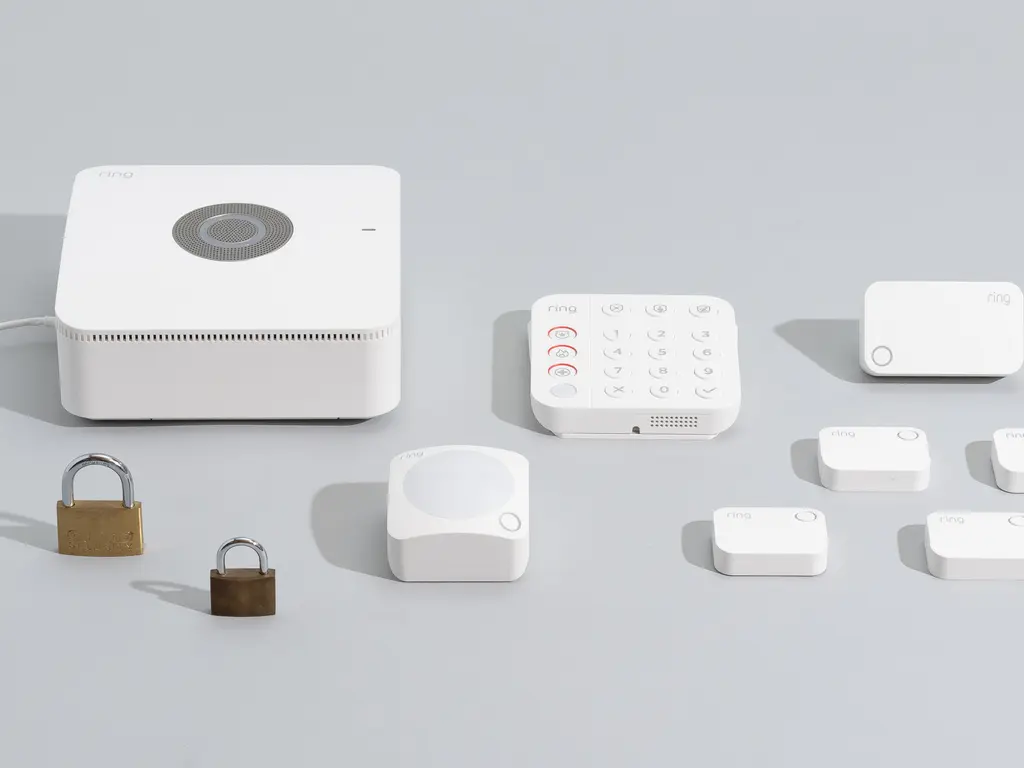
The intruder alarm panel is the central intelligence of any intruder alarm system. All alarm parts communicate with this panel, making it the most critical of all security system components. It processes sensor data, applies logic rules, and decides when to trigger a security alarm sound or send alerts.
Modern intruder alarm panels support wired and wireless connections, remote diagnostics, and integration with access control and video surveillance. An alarm panel cover protects the panel from tampering and environmental damage, which is essential for maintaining system integrity.
When an alarm system service required message appears, it is often generated by the intruder alarm panel to indicate faults, battery issues, or communication errors.
Sensors as the First Line of Defense
Sensors are among the most essential home security components because they detect intrusion attempts. Motion sensors, door contacts, glass break detectors, and vibration sensors form the detection layer of burglar alarm supplies.
Each sensor plays a specific role. Motion sensors detect movement within protected zones. Door and window sensors identify unauthorized openings. Glass break sensors detect the acoustic signature of shattering glass. These alarm parts work together to create coverage without blind spots.
A well-designed burglar alarm circuit ensures sensor signals are transmitted reliably to the intruder alarm panel without false triggers.
Control Keypads and User Interfaces
Control keypads allow users to interact with the burglar alarm system. These interfaces enable arming, disarming, and system status checks. Modern keypads include touchscreens, biometric authentication, and mobile app integration.
Keypads are not just convenience tools. They act as checkpoints where users confirm system status, acknowledge alerts, and respond to alarm panel warnings. In both residential and commercial burglar systems, keypad placement affects usability and response time.
Alarm Sirens and Security Alarm Sound Output
The security alarm sound is the most visible and audible response of a burglar alarm. Sirens are designed to attract attention, deter intruders, and alert nearby occupants. Internal sirens protect occupants, while external sirens provide public deterrence.
In advanced burglar alarm systems, sirens can vary tones based on threat type. This evolution has made the alarm burglar system more intelligent and less disruptive for false alarms.
Power Supply and Backup Batteries
Reliable power is essential for every burglar alarm system. Main power supplies keep systems running, while backup batteries ensure protection during outages. Battery health monitoring is a standard feature in modern security system parts.
When power issues occur, the system may display an alarm system service required notification. Addressing these warnings early prevents system downtime and maintains protection continuity.
Communication Modules and Alerts
Communication modules connect the burglar alarm system to monitoring centers, mobile devices, or local alerts. These modules may use cellular, IP, or radio communication. A key distinction in modern systems is the difference between monitored alarms and what is a local burglar alarm.
A local burglar alarm triggers on-site sirens only. A monitored system sends alerts to professionals who can verify threats and dispatch responders. Both options depend on reliable communication hardware within the burglar system.
Wired and Wireless Alarm Infrastructure
The burglar alarm circuit defines how signals move through the system. Wired systems offer stability and resistance to interference, while wireless systems provide flexibility and faster installation. Many intruder alarm systems now combine both methods for redundancy.
Proper design of the burglar alarm circuit reduces false alarms and ensures fast response during real threats.
Installation Quality and System Performance
Intruder alarm installation quality directly affects system reliability. Poor placement, incorrect calibration, or outdated alarm parts can reduce effectiveness. Professional intruder alarm system installation ensures sensors are positioned correctly and integrated seamlessly with other security system components.
At Nexlar, installations focus on real-world risk scenarios rather than generic layouts, resulting in smarter and more resilient protection.
Maintenance and Alarm System Service Requirements
Over time, all burglar alarm systems require maintenance. Environmental changes, battery wear, and sensor drift can affect performance. When an alarm system service required alert appears, it should never be ignored.
Regular servicing ensures alarm parts function correctly, firmware remains updated, and communication pathways stay reliable.
Types of Burglar Alarms and Their Applications
Understanding types of burglar alarms helps property owners choose the right solution. Some systems focus on perimeter detection, others on internal motion, and advanced systems integrate multiple layers. Modern burglar alarm types are scalable, allowing upgrades without full system replacement.
Choosing between burglar alarm types depends on property size, risk level, and desired response strategy.
Why Choose Nexlar for Burglar Alarm Systems
At Nexlar, we do not believe in generic security. Every burglar alarm system we design is tailored around real threats, property layout, and future scalability. Our expertise covers intruder alarm installation, advanced alarm panel configuration, and long-term system support. We focus on reliability, clarity, and real protection rather than overselling features that do not add value. When you choose Nexlar, you gain a security partner committed to protecting what matters most with intelligent, future-ready solutions.
Frequently Asked Questions About Burglar Alarm Systems
- What is burglar alarm technology used for today?
A burglar alarm system is used to detect unauthorized entry, alert occupants, and deter crime through sound and monitoring responses.
- What is a local burglar alarm?
A local burglar alarm triggers an on-site security alarm sound without notifying external monitoring services.
- How do intruder alarm systems differ from basic alarms?
Intruder alarm systems integrate sensors, control panels, communication modules, and monitoring logic for proactive security.
- What causes an alarm system service required alert?
This alert usually indicates battery issues, sensor faults, or communication problems that require professional attention.
- Are wireless burglar systems reliable?
Modern wireless burglar systems are highly reliable when installed correctly and combined with secure communication protocols.
- How often should burglar alarm systems be serviced?
Most systems should be inspected at least once a year or whenever an alarm system service required message appears.
Follow Us