

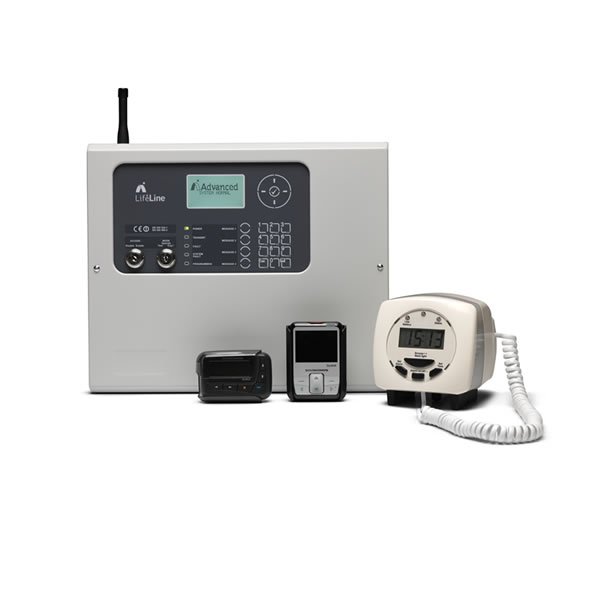
Fire Alarm & Paging System Integration: NFPA 72 Code Guide
Table of Contents
- Why Fire Alarm and Paging Integration Matters
- How Fire Alarm and Paging Integration Works
- What NFPA 72 Says About Emergency Communication
- Types of Fire Alarm Voice Evacuation Integration
- Key Benefits of Code-Compliant Integration
- Common Compliance Challenges and Mistakes
- How to Plan a Compliant Integration Project
- Integration Approach Comparison Table
- Cost and Pricing Overview
- Frequently Asked Questions
- Conclusion
- References
Introduction
When a fire alarm activates, the strobe lights flash and the horn sounds — but for many occupants, especially in larger or more complex buildings, that alone doesn't answer the most important question: what should I actually do right now? Voice instruction, delivered through a properly integrated paging or voice evacuation system, fills that gap — telling occupants whether to evacuate, relocate, or shelter in place, and which direction is safe.
NFPA 72, the National Fire Alarm and Signaling Code, establishes the framework that governs how fire alarm systems and emergency voice/alarm communication are designed, installed, and maintained in the United States — including in Texas. For facility owners and managers, understanding how paging and voice evacuation integration fits into this code framework is essential, both for life safety and for passing inspection.
This guide from Nexlar Security walks through the core concepts of fire alarm and paging integration under NFPA 72 — written for facility managers and business owners who need to understand the requirements, not for engineers designing to the code's full technical detail. Because code requirements vary by occupancy type, building size, jurisdiction, and the specific NFPA 72 edition adopted locally, this guide is educational in nature — always verify specific requirements with your local Authority Having Jurisdiction (AHJ) and a licensed fire alarm professional.
📞 Get a Code-Aware Assessment for Your Facility
Nexlar Security offers FREE on-site consultations for Texas businesses. Our licensed team evaluates your facility's emergency communication needs and designs systems with NFPA 72 compliance in mind. 👉 Book Your Free Site Survey Today
Why Fire Alarm and Paging Integration Matters
A standard fire alarm system — horns and strobes — communicates one thing clearly: something is wrong, evacuate now. That single message works well in smaller, simpler buildings where the appropriate response is the same for everyone, everywhere in the building.
But in larger, taller, or more complex facilities — high-rises, hospitals, large campuses, multi-tenant buildings — a single, undifferentiated alarm signal isn't always the safest response. A fire on one floor of a high-rise may call for occupants on that floor to evacuate immediately while occupants on floors above and below follow a different protocol — relocating to a safer floor rather than entering smoke-filled stairwells, for example. A hospital may need patients on bed rest to be moved to a protected area rather than evacuated through the building. A voice evacuation system, integrated with the fire alarm, allows the building to deliver these more specific, life-saving instructions rather than relying on a single horn-and-strobe signal that can't communicate nuance.
This is precisely why NFPA 72 establishes specific requirements for Emergency Voice/Alarm Communication Systems (EVACS) in many occupancy types — recognizing that voice instruction, when properly designed and integrated, saves lives in scenarios where a basic alarm signal alone cannot.
How Fire Alarm and Paging Integration Works
The Basic Architecture
At a foundational level, fire alarm and paging integration connects the fire alarm control panel (FACP) to a voice communication system so that, upon alarm activation, pre-recorded or live voice messages can be broadcast through the building's speaker network — which may be a dedicated fire alarm voice evacuation system, an integrated commercial paging system, or, in many modern deployments, a single combined platform serving both functions.
Dedicated Voice Evacuation Systems
In many commercial and institutional buildings, the voice communication function is provided by a dedicated Emergency Voice/Alarm Communication System (EVACS) that is part of the fire alarm system itself — using fire alarm-listed amplifiers, speakers, and control equipment specifically certified for life safety use. These systems are designed, installed, and maintained according to NFPA 72's specific requirements for fire alarm system components, which differ from the requirements for general commercial paging equipment.
Integration with General Commercial Paging
Many facilities also operate a general-purpose commercial paging system for day-to-day operational communication — separate from the dedicated fire alarm voice evacuation equipment. In these cases, integration typically takes the form of the fire alarm panel activating a relay or signal that triggers the commercial paging system to play a pre-programmed evacuation message, while the dedicated, code-required EVACS functions (where applicable) continue operating according to its own listed, fire-alarm-certified equipment requirements. It's important to understand that a general commercial paging system, even when triggered by the fire alarm, is not automatically a code-compliant substitute for a required, dedicated EVACS in occupancies where NFPA 72 mandates one.
Intelligibility as a Design Requirement
A central concept in NFPA 72's approach to voice evacuation is intelligibility — the requirement that the spoken message be clearly understandable to occupants, not just audible. This affects speaker selection, placement, spacing, and the acoustic characteristics of each space, and is typically verified through intelligibility testing as part of system commissioning in applicable occupancies.
What NFPA 72 Says About Emergency Communication
NFPA 72 — the National Fire Alarm and Signaling Code — is the primary code governing fire alarm and emergency communication system design, installation, testing, and maintenance in the United States, and is incorporated by reference into building and fire codes adopted across Texas jurisdictions.
A few foundational concepts from NFPA 72 are particularly relevant to fire alarm and paging integration:
Emergency Voice/Alarm Communication Systems (EVACS) NFPA 72 includes specific provisions covering systems that provide voice instruction in addition to standard audible and visual alarm signals. Many occupancy types — particularly high-rise buildings, healthcare facilities, and other complex or high-occupancy buildings — are required by the applicable building code to include voice communication capability as part of their fire alarm system, not merely standard horns and strobes.
Listed Equipment Requirements Fire alarm system components, including those used for required voice evacuation, generally must be listed for fire alarm service — meaning they have been tested and certified to specific life-safety standards. This is an important distinction from general commercial paging equipment, which is not necessarily listed for fire alarm use even though it can play emergency announcements when triggered.
Intelligibility Requirements NFPA 72 addresses the requirement that voice messages be intelligible — understandable by occupants — in the areas where they're intended to provide instruction, which drives speaker design, placement, and acoustic considerations during system design and is often verified through testing during commissioning.
Survivability and Circuit Integrity For systems serving certain occupancy types, NFPA 72 includes requirements related to the survivability of emergency communication circuits during a fire event — addressing how wiring and equipment are protected so the system continues functioning long enough to support occupant evacuation or relocation.
Testing and Maintenance NFPA 72 establishes ongoing testing and inspection requirements for fire alarm and emergency communication systems, distinct from the testing schedule a facility might apply to its general commercial paging equipment.
Because NFPA 72 is adopted and enforced through state and local building codes — and because specific requirements depend on occupancy classification, building height, and other factors — the applicability of these provisions to any specific Texas facility should always be confirmed with the local Authority Having Jurisdiction and a licensed fire alarm professional, not assumed from general guidance alone.
Types of Fire Alarm Voice Evacuation Integration
Dedicated Fire Alarm EVACS (Standalone)
A voice evacuation system built entirely from fire-alarm-listed components — amplifiers, speakers, and control equipment certified specifically for fire alarm service — operating independently of any general commercial paging system. This approach is common in occupancies where NFPA 72-driven requirements mandate a dedicated, code-compliant EVACS, and where the facility doesn't need or want to share infrastructure with day-to-day operational paging.
Combined Fire Alarm and Commercial Paging Platform
Some modern systems are designed and listed to serve both functions from shared infrastructure — providing code-required voice evacuation capability while also supporting general commercial paging for daily operations. These combined systems must still meet the applicable fire alarm listing and design requirements for the emergency communication function, even while serving a dual purpose.
Commercial Paging Triggered by Fire Alarm (Supplemental)
A general commercial paging system — not itself listed as fire alarm equipment — configured to play a pre-programmed evacuation announcement when triggered by the fire alarm panel's relay output. This approach can provide valuable supplemental communication and is widely used in occupancies where a dedicated, listed EVACS isn't independently required by code, but it should not be assumed to satisfy a code requirement for a listed EVACS where one applies — this distinction matters and should be confirmed with your AHJ.
Multi-Channel Voice Evacuation for Phased Response
In larger or taller buildings, voice evacuation systems can support multiple, simultaneous announcement channels — different floors or zones receiving different instructions based on the specific fire alarm zone affected. This phased approach, common in high-rise buildings, allows the system to direct evacuation or relocation differently depending on a floor's proximity to the fire.
Key Benefits of Code-Compliant Integration
Clear, Specific Instruction Saves Time and Lives Voice instruction allows occupants to understand exactly what to do — evacuate, relocate, shelter in place, or use a specific exit route — rather than only knowing that something is wrong, which is the limit of a standard horn-and-strobe signal alone.
Supports Phased Evacuation in Complex Buildings In high-rise and large multi-zone buildings, voice evacuation allows different floors or areas to receive different instructions based on their relationship to the fire's location — a critical capability for managing safe, efficient evacuation in buildings where simultaneous full evacuation isn't always the safest approach.
Meets Code Requirements for Applicable Occupancies For occupancy types where NFPA 72 and the locally adopted building code require an Emergency Voice/Alarm Communication System, proper integration is not optional — it's a life-safety code requirement, and proper design and installation supports both occupant safety and successful code inspection.
Reduces Confusion and Panic Specific, clear voice instruction — as opposed to an ambiguous alarm tone alone — has been shown to reduce occupant confusion and improve evacuation efficiency, particularly in buildings where occupants may not be familiar with the space, such as hotels, hospitals, and public venues.
Single Platform Can Serve Daily Operations and Emergencies Where designed and listed appropriately, a combined fire alarm voice evacuation and commercial paging platform allows a facility to use the same speaker infrastructure for both daily operational announcements and code-required emergency communication — reducing redundant infrastructure costs when implemented correctly.
Common Compliance Challenges and Mistakes
Assuming General Commercial Paging Satisfies EVACS Requirements One of the most consequential mistakes a facility can make is assuming that triggering a general, non-listed commercial paging system from the fire alarm panel satisfies a code requirement for a dedicated, listed Emergency Voice/Alarm Communication System. Where NFPA 72 and the applicable building code require a listed EVACS, only properly listed fire alarm equipment satisfies that requirement — supplemental commercial paging cannot substitute for it.
Inadequate Speaker Coverage for Intelligibility Speaker placement and spacing designed for general paging convenience — rather than for verified intelligibility under NFPA 72's requirements — can result in announcements that are audible but not actually understandable in parts of the building, particularly in acoustically challenging spaces like stairwells, mechanical rooms, or large open areas.
Skipping Intelligibility Testing Facilities sometimes treat voice evacuation system installation as complete once speakers are mounted and wired, without conducting the intelligibility verification that confirms the system actually performs as required across the covered areas — a step that should be part of system commissioning for applicable occupancies.
Using Non-Listed Equipment for Required EVACS Functions Specifying general commercial-grade amplifiers, speakers, or control equipment for a function that requires fire-alarm-listed components is a compliance failure that can result in failed inspections and require costly rework — equipment selection should be confirmed against listing requirements before installation begins for any required EVACS component.
Inadequate Documentation and Testing Records NFPA 72 establishes ongoing testing and maintenance requirements for fire alarm and emergency communication systems. Facilities that don't maintain proper documentation of required testing can face compliance issues during inspections, independent of whether the system itself is functioning correctly.
Overlooking Survivability Requirements for Applicable Occupancies For occupancy types where circuit survivability requirements apply, using standard, non-rated wiring methods for the emergency communication circuits can create a compliance gap that isn't apparent until inspection or, worse, until an actual fire event compromises the system's wiring.
How to Plan a Compliant Integration Project
Determine Your Occupancy's Specific Requirements First Before any system design begins, work with a licensed fire alarm professional to determine whether your specific occupancy type, building height, and configuration require a dedicated EVACS under the locally adopted building code and NFPA 72 edition — this determination drives every subsequent design decision.
Consult Your Local Authority Having Jurisdiction Early Because code adoption and interpretation vary by jurisdiction, engage your local AHJ — typically the local fire marshal's office — early in the planning process to confirm specific requirements and avoid costly redesign after installation.
Specify Listed Equipment for Required EVACS Functions For any component serving a code-required emergency voice communication function, confirm that the specific equipment is listed for fire alarm service — this is not a substitutable specification.
Design for Verified Intelligibility, Not Just Audibility Speaker placement, spacing, and acoustic design should be engineered specifically to achieve intelligibility — not simply volume — across all required coverage areas, with intelligibility testing planned as part of system commissioning.
Plan for Integration with General Paging Where Appropriate If your facility also wants general commercial paging capability, work with your installer to determine whether a combined, appropriately listed platform or a separate supplemental paging system triggered by the fire alarm is the right architecture for your specific situation and budget.
Document Testing and Maintenance from Day One Establish your testing and inspection documentation process as part of the initial installation, ensuring your facility is prepared for ongoing code compliance, not just initial installation sign-off.
Work with a Licensed, Code-Aware Installer Fire alarm and voice evacuation integration requires specific expertise in NFPA 72 compliance, not just general paging system installation experience. Nexlar Security holds Texas Low Voltage License# B14634 and works alongside licensed fire alarm professionals to design systems with code compliance in mind — always in coordination with your local AHJ for final compliance determination.
Integration Approach Comparison Table
| Approach | Equipment Listing | Code Compliance for Required EVACS | Best For |
|---|---|---|---|
| Dedicated Fire Alarm EVACS | Fire-alarm-listed | Yes (where properly designed) | Occupancies requiring dedicated EVACS |
| Combined Listed Platform | Fire-alarm-listed (dual-purpose) | Yes (where properly designed) | Facilities wanting shared infrastructure |
| Commercial Paging Triggered by FACP | Not fire-alarm-listed | Supplemental only — does not satisfy EVACS requirement | Facilities without a required EVACS, as added communication |
| Standalone Commercial Paging (no FACP trigger) | Not fire-alarm-listed | Does not address EVACS requirement | Operational paging only, separate from fire alarm |
Always confirm specific compliance requirements with your local Authority Having Jurisdiction and a licensed fire alarm professional. This table is for general educational reference only.
Cost and Pricing Overview
| Project Scope | Estimated Cost Range |
|---|---|
| Fire Alarm Relay Trigger to Existing Commercial Paging | $1,000 – $3,500 |
| Dedicated EVACS (small-to-mid building, new installation) | $15,000 – $50,000 |
| Dedicated EVACS (large or high-rise building) | $50,000 – $200,000+ |
| Intelligibility Testing and Commissioning | $2,000 – $8,000 |
| Combined Fire Alarm Voice Evacuation + Commercial Paging Platform | $25,000 – $100,000+ |
These estimates reflect general ranges for Texas commercial projects and vary significantly based on occupancy type, building size, whether a dedicated EVACS is required, and existing infrastructure. Fire alarm voice evacuation system costs should always be developed in coordination with a licensed fire alarm contractor and your local AHJ. Nexlar provides assessments and coordinates with fire alarm professionals as part of every relevant project.
💡 Confirm Your Facility's Emergency Communication Compliance
Nexlar evaluates your facility's existing fire alarm and paging integration and coordinates with licensed fire alarm professionals to help ensure your emergency communication infrastructure supports both safety and compliance. 👉 Schedule Your Free On-Site Consultation Today
Frequently Asked Questions
Q: What is NFPA 72 and how does it relate to paging systems?
A: NFPA 72 is the National Fire Alarm and Signaling Code, the primary code governing the design, installation, testing, and maintenance of fire alarm and emergency communication systems in the United States. It includes provisions for Emergency Voice/Alarm Communication Systems (EVACS), which use voice instruction — in addition to standard horns and strobes — to direct occupants during a fire event. For occupancies where a dedicated EVACS is required, the relevant equipment must be listed for fire alarm service, which is a different requirement than general commercial paging equipment.
Q: Can my regular commercial paging system be triggered by the fire alarm?
A: Yes, in many configurations a fire alarm panel can be wired to trigger a relay that activates a pre-programmed evacuation message on a general commercial paging system. This is a common and valuable supplemental communication approach. However, it's important to understand that this triggered commercial paging is generally not a substitute for a dedicated, fire-alarm-listed Emergency Voice/Alarm Communication System in occupancy types where NFPA 72 and the local building code require one — confirm this distinction with your local Authority Having Jurisdiction.
Q: What is intelligibility and why does it matter for fire alarm voice systems?
A: Intelligibility refers to whether a spoken voice message can actually be understood by occupants — not just heard. NFPA 72 addresses intelligibility as a design requirement for emergency voice communication systems because an announcement that is audible but unclear doesn't effectively direct occupant behavior during an emergency. Intelligibility is influenced by speaker selection, placement, spacing, and the acoustic characteristics of each space, and is typically verified through testing during system commissioning for applicable occupancies.
Q: Does every commercial building need a dedicated fire alarm voice evacuation system?
A: Not every building. Whether a dedicated Emergency Voice/Alarm Communication System is required depends on the occupancy type, building height, and other factors as determined by the locally adopted building code, which incorporates NFPA 72 by reference. High-rise buildings, healthcare facilities, and certain other complex or high-occupancy building types are commonly subject to these requirements, but applicability should always be confirmed with your local Authority Having Jurisdiction rather than assumed.
Q: What is the difference between fire-alarm-listed equipment and standard commercial paging equipment?
A: Fire-alarm-listed equipment has been tested and certified to specific life-safety standards required for use in fire alarm systems, including emergency voice communication functions. Standard commercial paging equipment, even high-quality equipment, is not necessarily certified to these standards. Where NFPA 72 and the applicable building code require a dedicated EVACS, only properly listed fire alarm equipment satisfies that specific code requirement — this distinction is important during system design and equipment selection.
Q: Who determines whether my building needs to comply with these requirements?
A: Your local Authority Having Jurisdiction (AHJ) — typically the local fire marshal's office or building department — determines and enforces the specific fire alarm and emergency communication requirements applicable to your facility, based on the building codes and NFPA 72 edition adopted in your jurisdiction. Always consult your local AHJ and a licensed fire alarm professional to confirm specific requirements for your facility rather than relying solely on general guidance.
Q: How often does a fire alarm voice evacuation system need to be tested?
A: NFPA 72 establishes specific testing and inspection schedules for fire alarm and emergency communication systems, which are typically more frequent and more rigorously documented than testing schedules for general commercial paging equipment. The exact testing frequency and documentation requirements depend on the system type and local code adoption — work with a licensed fire alarm contractor to establish and maintain your facility's required testing schedule.
Conclusion: Compliance and Capability Go Hand in Hand
Fire alarm and paging system integration sits at the intersection of two important goals: meeting your facility's legal compliance obligations under NFPA 72 and the locally adopted building code, and giving your occupants the clear, specific instruction that genuinely improves outcomes during an emergency. These goals are not in tension — a properly designed, code-compliant voice evacuation system delivers both.
The most important takeaway for any Texas facility manager or business owner is this: don't assume that triggering your general commercial paging system from the fire alarm panel automatically satisfies a code requirement for a dedicated emergency voice communication system. Confirm your specific occupancy's requirements with your local Authority Having Jurisdiction and work with licensed fire alarm professionals to design a system that meets both your safety goals and your compliance obligations.
Nexlar Security designs paging and communication systems for Texas businesses and coordinates with licensed fire alarm professionals to support code-aware emergency communication design. Our team (Texas Low Voltage License# B14634) serves Houston, Dallas, San Antonio, Austin, Fort Worth, and San Marcos.
Book your FREE on-site consultation today and let Nexlar help assess your facility's emergency communication infrastructure.
References
- NFPA 72 — National Fire Alarm and Signaling Code (2022 Edition)
- International Building Code (IBC) — Fire Protection and Life Safety Requirements
- International Fire Code (IFC) — Emergency Communication Requirements
- Texas State Fire Marshal's Office — Fire Code Adoption and Enforcement
- Texas Department of Licensing and Regulation (TDLR) — Low Voltage Contractor Licensing
- Underwriters Laboratories (UL) — Fire Alarm Equipment Listing Standards
- Nexlar Security — Business Security Systems: nexlar.com/commercial-business-security-systems-installer
Follow Us