

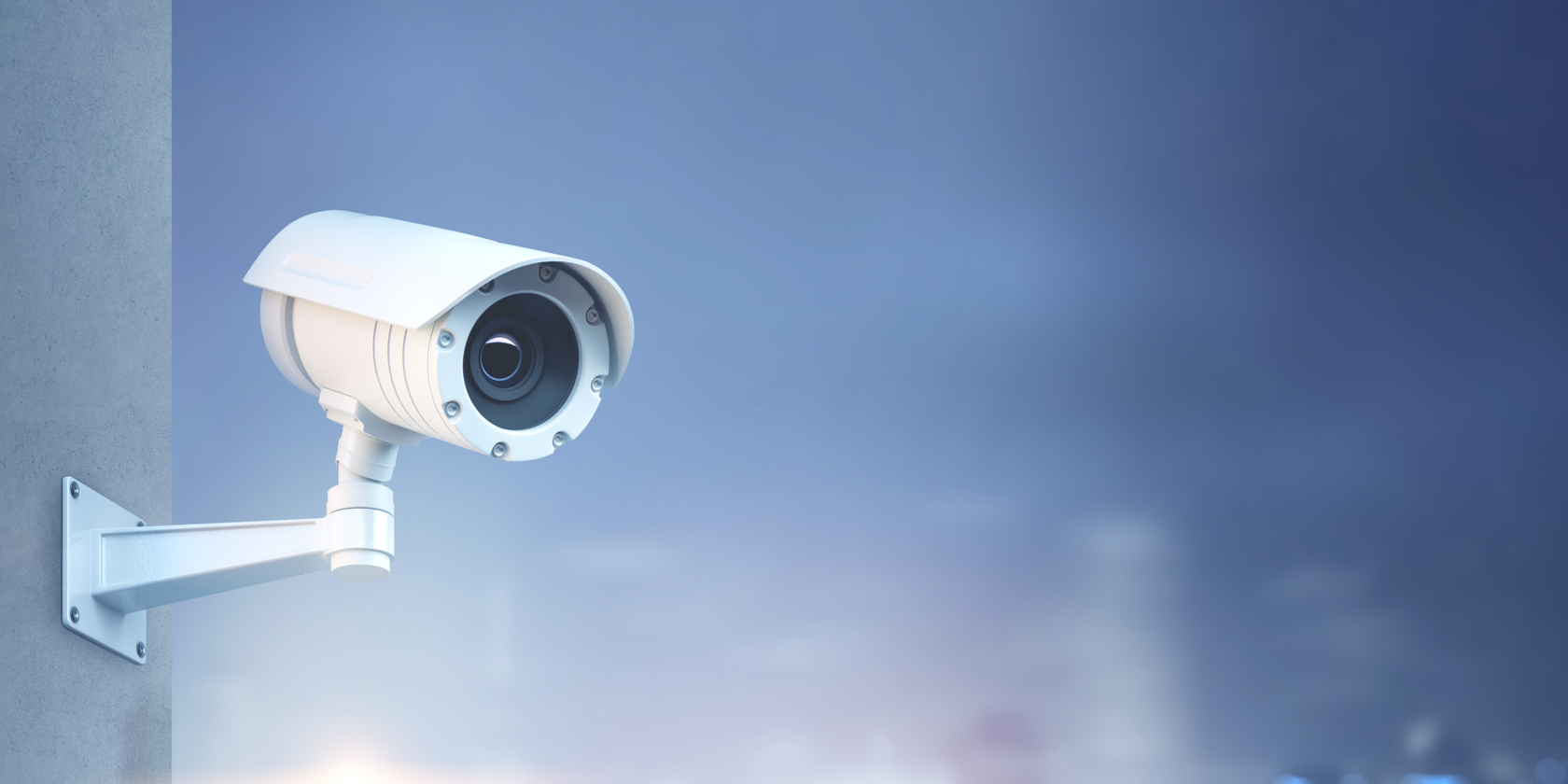
CCTV Systems Overview and Manual Guide
Security today is no longer optional. Whether you are protecting a commercial facility, warehouse, healthcare center, retail store, or residential property, understanding CCTV systems is essential for long term protection. At Nexlar, we design and implement advanced security infrastructures, and this detailed CCTV systems overview and manual guide is written to help you fully understand how modern CCTV security works and how to use it effectively.
What Is CCTV Camera and Why It Matters
Many people still ask what is CCTV camera and how it differs from regular video recording devices. CCTV stands for Closed Circuit Television. Unlike broadcast television, CCTV surveillance operates within a closed network, meaning the video feed is transmitted to specific monitors or recording devices instead of being publicly distributed.
A CCTV security camera captures live video and sends it to a recording system or a cctv monitoring system. These systems are used to monitor entrances, parking areas, production floors, hallways, and other sensitive locations. Modern cctv systems go beyond simple recording. They integrate with access control, alarms, analytics, and remote monitoring platforms to create a complete cctv security solution.
At Nexlar, we view CCTV as a strategic asset rather than just a camera on the wall. It becomes part of a broader security ecosystem designed to reduce risk, prevent loss, and improve operational awareness.
Core Components of CCTV Systems
Understanding how cctv systems function begins with knowing their main components. Every professional cctv surveillance setup typically includes cameras, recording devices, storage, network infrastructure, and monitoring software.
The cctv security camera is the primary capture device. It can be dome, bullet, PTZ, turret, or specialized thermal cameras depending on the environment. These cameras send video signals to a recorder such as an NVR or DVR. The recorder stores footage locally or in the cloud for future review.
The cctv monitoring system allows authorized users to view live or recorded video from desktop software or mobile devices. This is especially important for business owners who need remote visibility across multiple locations.
When Nexlar engineers design a system, we ensure each component works seamlessly together to deliver reliable cctv security and performance.
Types of CCTV Surveillance Technologies
CCTV surveillance technology has evolved significantly in recent years. Analog systems have largely been replaced by IP based cctv systems that provide higher resolution, better scalability, and advanced analytics.
IP based cctv security camera systems transmit data over network cables, allowing integration with other security solutions. High definition cameras provide detailed images that improve identification and evidence collection. Advanced systems now include motion detection, facial recognition, license plate recognition, and behavior analytics.
A modern cctv monitoring system can send real time alerts if unusual activity is detected. For commercial clients in Texas and across the United States, Nexlar implements enterprise grade cctv surveillance systems that align with industry compliance and safety standards.
CCTV System Installation Process
Professional cctv system installation is one of the most critical steps in ensuring long term performance. Improper placement, incorrect wiring, or weak network configuration can significantly reduce system effectiveness.
The process begins with a site assessment. Nexlar security specialists evaluate the property layout, entry points, lighting conditions, and risk factors. We determine optimal camera placement to eliminate blind spots and maximize coverage.
During installation, our certified cctv installers configure cameras, recorders, and network devices according to best practices. We ensure secure cabling, proper mounting, and correct angle adjustments. After physical installation, we set up the cctv monitoring system, configure user access permissions, and test recording functionality.
A well executed cctv system installation ensures your cctv security infrastructure operates efficiently from day one.
How to Operate a CCTV Monitoring System
Once installed, understanding how to operate your cctv monitoring system is essential. Most modern systems provide intuitive dashboards accessible through desktop applications or secure mobile apps.
Users can view live camera feeds, playback recorded footage, export video clips for evidence, and manage camera settings. Storage retention policies can be configured based on business needs and compliance requirements.
Routine checks are important to maintain cctv security. Administrators should verify recording functionality, confirm storage availability, and ensure cameras remain clean and unobstructed. Nexlar provides training and support so clients feel confident managing their cctv systems.
Best Practices for CCTV Security Maintenance
Maintaining cctv surveillance systems ensures long term reliability. Regular inspection of cameras helps detect physical damage or tampering. Firmware updates should be applied to maintain cybersecurity integrity.
A secure cctv monitoring system should include strong password policies and encrypted network communication. Businesses should also test backup power systems to guarantee uninterrupted cctv security during outages.
At Nexlar, we offer ongoing service agreements to monitor system health, conduct preventive maintenance, and ensure your cctv security camera infrastructure remains fully operational.
Integrating CCTV With Advanced Security Solutions
CCTV systems deliver maximum value when integrated with other technologies. Access control systems, alarm systems, and intercom solutions can work alongside cctv surveillance to create layered security.
For example, when an access control door is forced open, the cctv monitoring system can automatically display the corresponding camera feed. This integrated approach enhances response times and improves overall cctv security performance.
Nexlar specializes in designing unified security environments where cctv systems serve as the visual intelligence layer supporting broader operational security strategies.
Why Choose Us
At Nexlar, we do more than install cameras. We engineer comprehensive cctv systems tailored to your environment, compliance requirements, and growth plans. Our experienced cctv installers focus on precision, reliability, and scalability. From consultation to cctv system installation and long term support, we ensure your cctv security infrastructure protects what matters most while delivering measurable value.
If you are ready to upgrade your CCTV security or need expert guidance, contact Nexlar today to design a system tailored to your needs.
Frequently Asked Questions
What is CCTV camera and how does it work
A CCTV camera captures video footage and transmits it to a closed network system where it can be monitored live or recorded for later review as part of a complete cctv surveillance solution.
How long do CCTV systems store footage
Storage duration depends on the configuration of the cctv monitoring system, available storage capacity, and organizational retention policies, typically ranging from days to several months.
Do I need professional CCTV installers
Yes, professional cctv installers ensure proper camera placement, secure wiring, optimized network configuration, and compliance with security standards for reliable cctv security performance.
Can CCTV security camera systems be accessed remotely
Modern cctv systems allow secure remote access through encrypted applications, enabling authorized users to view live and recorded footage from anywhere.
How often should CCTV system installation be inspected
Routine inspection is recommended at least annually, with more frequent checks for high security environments to maintain optimal cctv security and surveillance reliability.
Follow Us