

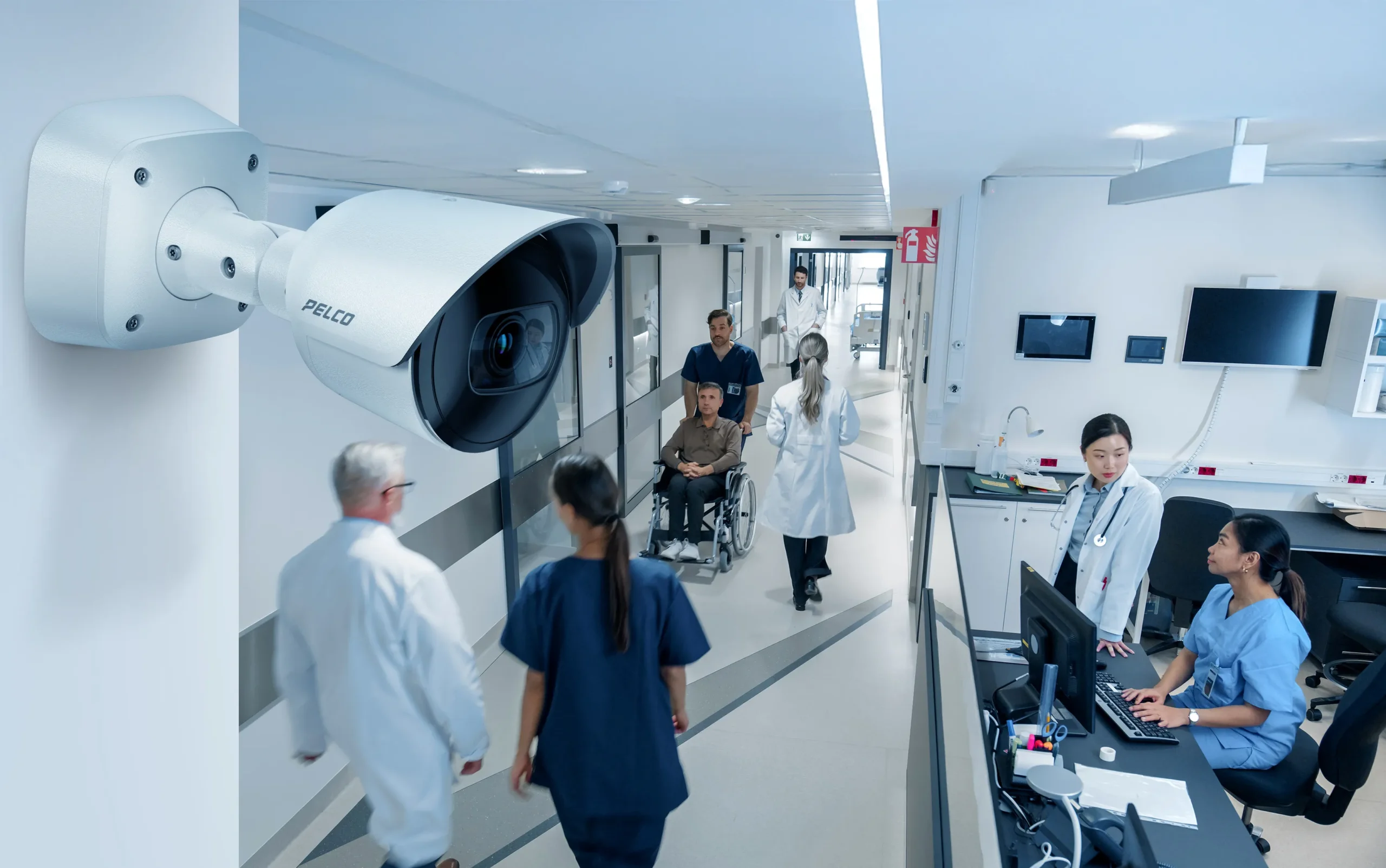
4 Tips For Healthcare and Hospital Security
Healthcare environments are unlike any other commercial space. Hospitals operate around the clock, manage sensitive patient data, and serve as open-access facilities for patients, visitors, clinicians, vendors, and emergency responders. This constant movement makes hospital and healthcare security a critical operational priority rather than an afterthought. A single gap in a hospital security system can put patient safety, staff wellbeing, and regulatory compliance at risk.
Modern healthcare security systems must strike a careful balance between openness and control. Patients need easy access to care, while administrators need to protect restricted areas, medical assets, and digital infrastructure. Below are four essential tips for building strong, future-ready security systems for hospitals that address today’s evolving threats while supporting efficient hospital operations.
Strengthen Access Control in Hospitals From the Ground Up
One of the most important foundations of hospital and healthcare security is properly implemented access control in hospitals. Hospitals are made up of multiple zones, each with different risk levels. Emergency rooms, ICUs, operating theaters, pharmacies, data centers, and infant care units all require tighter controls than public waiting areas.
A modern hospital access control strategy replaces traditional lock-and-key systems with centralized digital access control for hospitals. Role-based credentials allow doctors, nurses, and administrative staff to access only the areas necessary for their duties. This significantly reduces internal risks while improving accountability. When access is logged and monitored, hospitals gain full visibility into who entered which area and when, an essential requirement for compliance and incident investigation.
Access control for hospital environments should also support rapid response. During emergencies, access permissions can be updated instantly without physically changing locks. This flexibility makes hospital security systems more resilient and adaptable to real-world scenarios such as lockdowns, evacuations, or infection control measures.
Use Hospital Security Cameras to Improve Visibility and Response
Hospital security cameras are no longer limited to basic surveillance. Today’s healthcare security system designs rely on intelligent camera networks that support real-time monitoring, incident review, and proactive threat detection. High-quality hospital security cameras placed at entrances, corridors, parking areas, and critical zones provide continuous visibility across the facility.
Advanced video systems can integrate with access control in hospitals to correlate video footage with entry logs. This combination strengthens hospital and healthcare security by helping teams quickly verify incidents, investigate unauthorized access, and respond to suspicious behavior. In high-traffic healthcare environments, visibility is one of the most powerful deterrents against theft, vandalism, and violence.
Hospital security systems should also prioritize patient privacy. Cameras must be deployed thoughtfully, avoiding sensitive treatment areas while still ensuring safety. When implemented correctly, hospital security cameras enhance protection without disrupting patient care or violating privacy standards.
Design Healthcare Security Systems Around Staff and Patient Safety
A truly effective healthcare security system is built around people, not just technology. Hospital staff face increasing risks from workplace violence, unauthorized visitors, and stressful emergency situations. Security systems for hospitals should be designed to support fast communication, clear protocols, and reliable response mechanisms.
Integrated healthcare security systems can include panic buttons, duress alerts, and mobile access credentials that empower staff to request help instantly. When these systems are connected to hospital access control and surveillance platforms, security teams can respond with context, knowing exactly where assistance is needed.
Hospital and healthcare security planning should also consider patient flow. Confusing layouts, unsecured entrances, and poorly marked restricted zones increase risk. Security design that aligns with hospital workflows improves safety while maintaining a welcoming environment for patients and families.
Centralize Monitoring for Smarter Hospital Security Systems
Fragmented security tools create blind spots. To truly strengthen hospital security systems, hospitals must centralize monitoring and management. A unified platform that connects hospital access control, hospital security cameras, and alarm systems allows security teams to monitor threats in real time and act decisively.
Centralized healthcare security systems provide valuable insights through analytics and reporting. Hospitals can identify high-risk areas, track access trends, and continuously refine access control for hospitals based on real usage patterns. This data-driven approach helps healthcare facilities stay ahead of evolving threats while optimizing operational efficiency.
Scalable security systems for hospitals also ensure long-term value. As healthcare facilities expand or upgrade, centralized platforms make it easier to add new access points, cameras, or buildings without redesigning the entire system.
Why Choose Nexlar for Hospital and Healthcare Security
At Nexlar, we understand that healthcare security is about more than hardware. We design hospital and healthcare security solutions that prioritize patient safety, staff protection, and regulatory compliance while supporting smooth hospital operations. Our expertise in access control for hospitals, intelligent hospital security cameras, and fully integrated healthcare security systems allows us to deliver tailored solutions that scale with your facility. We work closely with healthcare leaders to ensure every hospital security system is reliable, compliant, and built for real-world challenges.
If you are planning to upgrade or implement hospital security systems, contact Nexlar today to discuss a solution designed specifically for your healthcare facility.
Frequently Asked Questions About Hospital and Healthcare Security
Q. What makes a hospital security system different from other commercial security systems?
A hospital security system must support continuous operations, protect sensitive patient data, and manage large volumes of visitors while maintaining a welcoming environment. Unlike standard commercial systems, healthcare security systems require advanced access control in hospitals, privacy-aware surveillance, and rapid response capabilities tailored to medical environments.
Q. Why is access control for hospitals so important?
Access control for hospital environments ensures that only authorized individuals can enter sensitive areas such as pharmacies, ICUs, and data centers. Proper hospital access control reduces internal risks, improves accountability, and helps healthcare facilities meet compliance and safety requirements without slowing down clinical workflows.
Q. How do hospital security cameras improve safety without affecting privacy?
Hospital security cameras are strategically placed in public and operational areas rather than treatment rooms. When combined with clear policies and secure data handling, hospital security cameras enhance visibility and incident response while respecting patient confidentiality and healthcare regulations.
Q. Can healthcare security systems scale as hospitals expand?
Yes, modern healthcare security systems are designed to scale. Centralized platforms allow hospitals to add new buildings, departments, or access points without disrupting existing operations, making long-term growth more secure and cost-effective.
Q. How do integrated security systems for hospitals reduce response time?
Integrated security systems for hospitals connect access control, surveillance, and alerts into one platform. This allows security teams to quickly identify incidents, verify them through video, and respond with accurate information, significantly reducing response time during critical situations.
Follow Us