

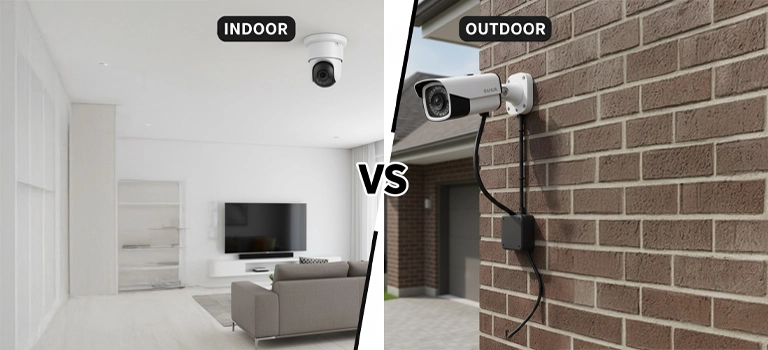
Indoor vs Outdoor Security Cameras: What Is the Difference
Choosing the right surveillance setup is one of the most important security decisions property owners make today. Indoor outdoor security cameras play a critical role in protecting homes, offices, and commercial spaces, yet many people are unsure how indoor and outdoor systems differ and which option best fits their needs. At Nexlar, we design security solutions that focus on clarity, reliability, and real world protection, not guesswork. Understanding the difference between indoor and outdoor cameras helps you build a system that truly safeguards your property.
What indoor security cameras are designed to do
Cameras for indoors are built to monitor interior spaces where environmental conditions remain stable. A camera indoor system focuses on capturing clear visuals of movement, identifying individuals, and monitoring daily activity inside a building. These cameras are commonly placed in living areas, hallways, offices, storage rooms, and near entry points to document what happens once someone is inside the property.
Indoor and outdoor security cameras may share similar features, but cameras for indoors prioritize compact design, discreet placement, and image clarity under controlled lighting. Indoor outdoor cameras used inside often deliver excellent performance, but dedicated indoor models are typically optimized for close range visibility and interior aesthetics.
Security cameras indoor and outdoor are frequently paired together, allowing indoor cameras to verify activity once an alert is triggered outside. This layered approach provides stronger evidence and greater situational awareness when incidents occur.
How outdoor security cameras protect your perimeter
Cameras for outside your house or commercial property are built for exposure to changing weather, fluctuating temperatures, and potential tampering. Outdoor cameras act as the first line of defense by monitoring entrances, driveways, parking areas, and building perimeters before a threat reaches your interior spaces.
Indoor outdoor surveillance cameras placed outdoors must maintain consistent performance in rain, heat, dust, and darkness. These systems are engineered with weather resistant housing and advanced night vision capabilities to ensure continuous monitoring. An indoor outdoor camera used outdoors must be specifically rated for exterior conditions to avoid system failure.
Outdoor cameras play a preventive role by discouraging suspicious behavior while also capturing footage that supports investigations and insurance claims when incidents occur.
Key design differences between indoor and outdoor cameras
The most noticeable difference between indoor and outdoor cameras lies in physical construction. Indoor cameras are lightweight and streamlined, while outdoor cameras are reinforced to withstand environmental stress. Indoor outdoor cameras designed for both environments combine durability with versatility, but not all models perform equally in harsh conditions.
The best indoor and outdoor security cameras include sealed enclosures, temperature tolerance, and secure mounting systems that ensure long term reliability. Indoor outdoor video surveillance systems benefit from using purpose built cameras in the right locations rather than relying on a single camera type everywhere.
A common question we receive is can i use blink outdoor camera inside. The answer is yes, outdoor cameras can function indoors without any technical issue. However, using indoor cameras outside is not recommended unless they are specifically designed for outdoor exposure.
Image quality and lighting performance differences
Indoor cameras are optimized for predictable lighting environments where shadows and glare are minimal. Cameras for indoors focus on facial recognition, motion accuracy, and consistent frame clarity throughout the day and night. Outdoor cameras must adapt to sunlight, darkness, headlights, and rapidly changing lighting conditions.
Indoor outdoor security cameras used outside rely heavily on infrared and low light technology to maintain visibility during nighttime hours. Indoor outdoor cameras installed inside typically benefit from ambient lighting and require less aggressive night vision features.
When indoor and outdoor security cameras work together as a single system, they create a continuous visual narrative from the exterior perimeter to the interior spaces of the property.
Installation considerations for indoor and outdoor cameras
Cameras for indoors are generally easier to install and reposition, making them ideal for evolving layouts and flexible monitoring needs. Outdoor camera installation requires more planning to ensure proper coverage, secure mounting, and protection against interference.
Indoor outdoor cameras must be positioned strategically to avoid blind spots while maintaining optimal viewing angles. Indoor outdoor surveillance cameras installed by professionals reduce the risk of poor placement that can compromise footage quality or system effectiveness.
A properly designed indoor outdoor security system balances coverage, visibility, and long term performance rather than focusing solely on camera quantity.
Why combining indoor and outdoor cameras matters
Relying on only indoor or only outdoor cameras creates gaps in security. Indoor and outdoor cameras together provide layered protection that improves threat detection and response. Outdoor cameras identify suspicious activity early, while indoor cameras confirm and document what happens inside.
Security cameras indoor and outdoor connected through a unified platform allow faster alerts, remote access, and centralized monitoring. Indoor outdoor video surveillance systems deliver better outcomes when cameras are integrated with access control and alarm systems.
This comprehensive approach enhances both safety and accountability for homes and businesses alike.
Why choose Nexlar for indoor and outdoor security cameras
At Nexlar, we design security solutions that align with real risks, real properties, and real expectations. Our expertise in indoor outdoor security cameras allows us to create systems that are scalable, reliable, and easy to manage. We focus on performance, not overcomplication.
From selecting the best indoor and outdoor security cameras to designing complete indoor outdoor video surveillance systems, Nexlar ensures every component works together seamlessly. Whether you need cameras for outside your house, cameras for indoors, or a fully integrated indoor outdoor security system, our solutions are built to protect what matters most.
Frequently asked questions about indoor and outdoor security cameras
Q. What is the main difference between indoor and outdoor security cameras?
Indoor cameras are designed for controlled environments, while outdoor cameras are built to withstand weather, temperature changes, and external threats.
Q. Can indoor outdoor cameras be used both inside and outside?
Yes, indoor outdoor cameras are designed for dual use, but it is important to confirm weather resistance before outdoor installation.
Q. Are indoor and outdoor cameras both necessary?
Using indoor and outdoor cameras together provides layered protection and eliminates blind spots that single camera setups often create.
Q. Can I use blink outdoor camera inside my home?
Yes, outdoor cameras like Blink models can be used indoors without issues, but indoor cameras should not be placed outside unless rated for exterior use.
Q. How do I choose the right indoor outdoor security system?
The right system depends on your property size, layout, and risk areas. A professional assessment helps determine optimal camera placement and system design.
Follow Us