

Key Fob Cloning: Everything You Need to Know (2025)
Key fob cloning has become one of the most talked-about topics in modern access control as more businesses, residential buildings, and commercial facilities continue to rely on digital credentials. Whether you manage a property, run a business, or live in a gated community, understanding how a fob key works and how cloning happens is essential for protecting your security. Many people search online for what is a key fob or what is a fob key because these compact devices now play a major role in how doors, elevators, garages, and restricted areas operate. As digital access systems become more advanced, so do the risks associated with unauthorized duplication.
This guide explains everything you need to know about key fob cloning in 2025 from how apartment key fob systems work to what makes a door fob vulnerable to being copied. It also highlights why partnering with an expert team like Nexlar can protect your facility from threats that most property owners and security managers overlook.
Understanding What a Key Fob Really Is
A key fob is a small electronic device that grants authorized entry into a secured space. When people ask what is key fob or what does key fob mean, the answer is simple. It is an electronic access credential that communicates with a reader installed on the door. Many also wonder why is it called a key fob. Historically, the word fob referred to a small pocket accessory, and over time it evolved into the modern digital key device used today.
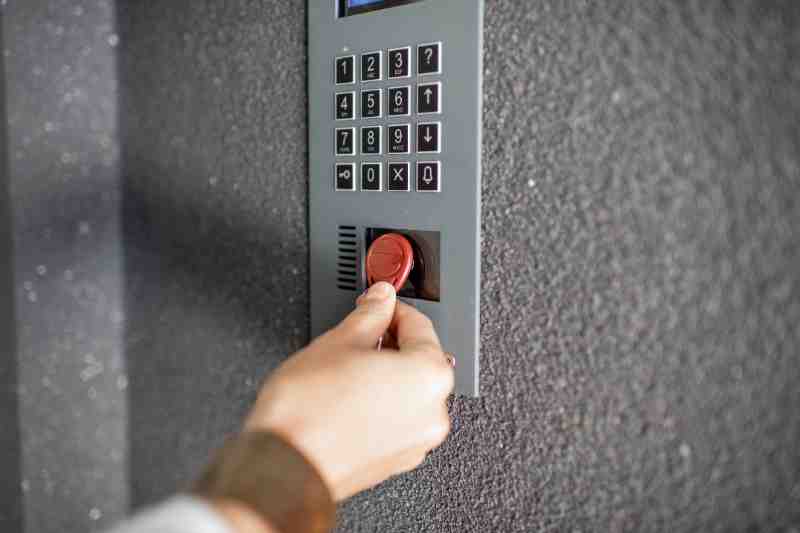
Most modern systems use RFID technology. These electronic key tags send data signals to unlock a controlled entry point. The apartment key fob or key fob for apartment access you carry works the same way as the ones used in corporate offices, warehouses, or storage facilities. Since they are convenient and easy to use, millions of people carry them every day without realizing how easily cloning can happen if the system is outdated or unprotected.
How Key Fob Cloning Works in 2025
Key fob cloning is the process of duplicating the data stored inside a fob key so another device can mimic its signal. This means unauthorized users can enter secure areas without permission. As technology evolves, the tools used to clone fobs also advance. Devices like a key fob copier or an RFID key fob duplicator allow attackers to read and replicate signals when the system is unencrypted or uses older protocols.
Many people look for how to copy apartment key fob online. The truth is that older systems make this extremely easy. Low frequency readers that still operate on outdated formats allow quick copying because they transmit unprotected data. This has increased demand for apartment key fob copy services in many places, and it exposes serious security weaknesses that building owners should address immediately.
A duplicate key fob created without authorization can compromise the safety of residents, employees, and property. The more people who can copy an access credential, the more entry points become vulnerable. This is why upgrading to encrypted, cloud-managed access control has become the new standard for 2025 and beyond.
Risks That Come With Cloning Vulnerabilities
When a key fob copy can be made within seconds, it opens the door to unauthorized visitors, theft, property damage, and internal security issues. Since apartment key fob systems are widely used in residential buildings and commercial facilities, cloned fobs make it possible for outsiders to gain unrestricted access. Traditional locks at least leave a physical trace when tampered with, but digital fobs leave no signs when copied.
The risk is even higher when tenants or employees share access credentials, lend them to others, or leave them unattended. Once someone gains brief access to the original device, a duplicate key fob can be created instantly through an RFID key fob duplicator. This creates long term vulnerabilities because the property owner does not know how many active copies exist. Most managers only realize a breach has occurred when something goes wrong.
Why Many People Still Ask What Is a Fob Key in 2025
Even though businesses and residential properties have used digital access for years, many individuals still ask questions like what is a fob key or what is a key fob because they are unaware of the technology behind the device they carry every day. When individuals do not understand how their door fob functions, they also do not understand the risks involved. Many assume that electronic systems are automatically secure, but outdated formats are extremely easy to bypass.
Why Fob Systems Get Cloned So Easily
Key fob systems become vulnerable for several reasons. Many buildings use old legacy systems that transmit unencrypted data. When the frequency and format are predictable, the signal can be captured and repeated. Another reason is the availability of consumer grade key fob copier devices online. These tools make it possible for almost anyone to duplicate an apartment key fob with little knowledge or experience.
Another challenge is that organizations often rely on outdated security policies. They continue using the same format for years without upgrading, which gives attackers predictability. Access logs also do not show whether a device is a genuine fob key or a cloned one. This is why modern access systems now use encrypted credentials, mobile authentication, cloud based monitoring, and multi factor verification.
How Modern Access Control Prevents Key Fob Copying
Newer access systems use encrypted smart fobs, secure cloud management, unique rotating credentials, and multi-factor authentication to protect the property. Instead of using traditional electronic key tags, businesses now prefer secure mobile credentials because they cannot be cloned like a physical key fob. Even if someone attempts to duplicate a signal, it will not authenticate.
Many upgraded systems also use cloud alerts that immediately notify administrators if an unfamiliar credential attempts entry. This reduces the risk of unauthorized entry and keeps sensitive areas protected. As more organizations move toward modern technology, cloning becomes more difficult and eventually impossible.
Why Choose Us
Nexlar is a trusted leader in access control solutions, offering advanced technologies that protect businesses, residential communities, and commercial facilities across the region. We understand how digital threats evolve and how unauthorized fob key copying can compromise your safety. Our team designs systems that eliminate cloning risks with encrypted credentials, mobile access, cloud management, and reliable hardware built for long term performance. Whether you need to secure a single entrance or an entire building, Nexlar provides customized access control solutions that keep your property safe, efficient, and fully protected from modern cloning tools.
Frequently Asked Questions
Q. What is a key fob?
A key fob is a small electronic access device that uses RFID technology to communicate with a door reader and unlock a secured area.
Q. What does key fob mean?
It refers to an electronic credential that stores access permissions for authorized entry.
Q. Why is it called a key fob?
The word fob comes from an old term used for small pocket accessories which evolved into modern electronic access devices.
Q. Can someone create a duplicate key fob without permission?
Yes, older systems can be duplicated easily using an RFID key fob duplicator or key fob copier.
Q. How to copy apartment key fob?
Copying is possible only on outdated, unencrypted systems. Modern encrypted systems cannot be cloned.
Q. Is my apartment key fob at risk?
If your system uses low frequency or unencrypted formats, it can be cloned quickly without you knowing.
Q. How do I prevent key fob cloning?
Upgrading to encrypted credentials, modern access readers, and cloud based control stops cloning attempts.
Q. Are electronic key tags safe?
They are safe when part of a modern encrypted system. Outdated tags carry risk.
Q. Can Nexlar help secure my building?
Yes, Nexlar offers advanced access control solutions that prevent cloning and improve security across your facility.
Follow Us