

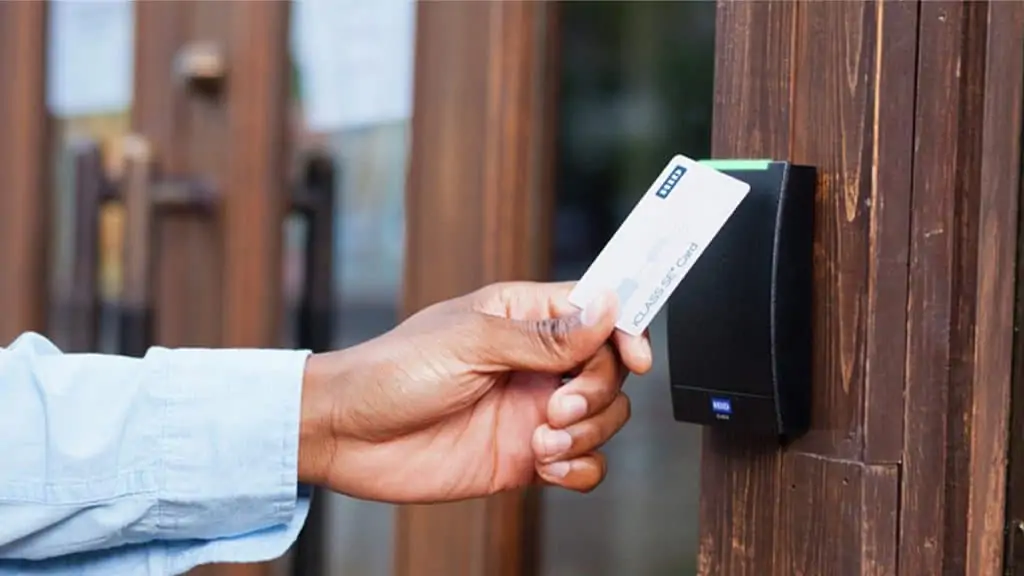
How Do HID Proximity Cards Work: Complete Guide 2026
Access control has evolved rapidly, but one technology continues to power secure facilities across offices, hospitals, schools, and industrial sites worldwide. HID proximity cards remain one of the most reliable and widely deployed access credentials today. At Nexlar, we work with businesses every day that want to understand what a proximity card is, how it works, and whether HID proximity cards are still the right choice in 2026.
This guide explains everything in simple terms. You will learn what a proximity card is, how HID proximity cards function behind the scenes, how a prox card reader communicates with credentials, and where this technology fits in modern security systems.
Understanding What a Proximity Card Is
A proximity card is a contactless access credential used to unlock doors, gates, elevators, or secured areas. Instead of swiping or inserting a card, users simply hold the card near a reader. The prox card reader detects the card wirelessly and verifies whether access should be granted.
When people ask what is a proximity card, the simplest answer is that it is a short range identification device that communicates with a reader using radio frequency signals. Proximity cards do not require batteries and do not need direct contact, making them durable and easy to use for high traffic environments.
What Is HID and Why It Matters in Access Control
Many organizations ask what is HID when researching access cards. HID is one of the most recognized manufacturers of secure identity and access solutions worldwide. HID proximity cards have become an industry standard because of their reliability, compatibility, and long lifecycle.
HID proximity cards are designed to work seamlessly with HID proximity card reader hardware, ensuring consistent performance across large installations. Over the years, HID prox technology has been deployed in millions of buildings globally, making it a trusted option for physical security.
How HID Proximity Cards Work Step by Step
HID proximity cards operate using low frequency radio signals, typically at 125 kHz. Each hid proximity card contains an embedded antenna coil and a microchip that stores a unique identification number.
When a user brings a prox card close to a hid proximity card reader, the reader emits a radio frequency field. This field powers the card momentarily and triggers it to transmit its unique ID back to the reader. The reader then sends that information to the access control system for verification.
If the system recognizes the ID and confirms permissions, access is granted instantly. If not, the door remains locked. This entire process takes place in a fraction of a second, making HID prox cards ideal for fast and secure entry.
The Role of the Prox Card Reader in Security Systems
A prox card reader is the bridge between the physical credential and the digital access control platform. HID proximity card readers are designed to read hid prox cards consistently even in challenging environments.
The reader is connected to a controller that checks credentials against stored access rules. Modern systems can log every entry attempt, allowing administrators to track usage patterns, audit access events, and enhance security policies.
At Nexlar, we often integrate HID proximity card readers into larger access control ecosystems that include cameras, alarms, and monitoring software for a complete security solution.
HID Prox Cards vs Other Access Technologies
While newer technologies like mobile credentials and smart cards exist, HID prox cards remain popular due to their simplicity and cost effectiveness. Unlike magnetic stripe cards, hid access cards do not wear out from physical contact. Compared to keypads, proximity cards eliminate the risk of shared PIN codes.
HID prox tags are also commonly used for asset tracking and parking access, offering the same contactless convenience in a smaller form factor. For many organizations, proximity cards strike the right balance between usability and security.
Where HID Proximity Cards Are Commonly Used
HID proximity cards are widely used across corporate offices, healthcare facilities, educational institutions, government buildings, and manufacturing plants. Their durability makes them suitable for environments where cards are used multiple times a day.
HID prox cards are also popular in multi tenant buildings where access permissions vary by role, department, or time of day. This flexibility allows businesses to control access without constantly changing physical locks.
Security Considerations for HID Proximity Cards
Although hid proximity cards are reliable, security planning is essential. Since proximity cards transmit a fixed ID, proper system configuration is critical. Pairing HID proximity cards with secure controllers, encrypted communication, and layered security measures significantly reduces risk.
At Nexlar, we help clients design access control systems that go beyond the card itself. This includes combining hid proximity card reader installations with surveillance, audit logs, and restricted access schedules to strengthen overall security.
Why HID Proximity Cards Still Matter in 2026
Even in 2026, HID proximity cards remain relevant because they are easy to deploy, cost effective, and widely supported. Many modern access control platforms still offer full compatibility with hid prox technology, allowing organizations to upgrade systems without replacing existing credentials.
For businesses that want dependable access control without complex user training, proximity cards continue to be a practical solution.
Why Choose Nexlar for HID Proximity Card Solutions
At Nexlar, we specialize in designing and installing secure access control systems tailored to your business needs. Our team understands hid proximity cards, hid prox tags, and hid proximity card readers at a technical level, ensuring seamless integration and long term reliability. We focus on security first design, compliance, and scalable solutions that grow with your organization.
Frequently Asked Questions About HID Proximity Cards
What is a proximity card and how is it different from a key card?
A proximity card is a contactless access card that uses radio frequency communication instead of physical contact. Unlike traditional key cards that require swiping or insertion, proximity cards simply need to be held near a reader to work.
What is HID prox and why is it so common?
HID prox refers to HID proximity card technology that operates at low frequency for secure access control. It is common because it is reliable, easy to deploy, and compatible with many access control systems worldwide.
Are HID proximity cards still secure in 2026?
HID proximity cards remain secure when used as part of a properly designed access control system. Combining them with modern controllers, monitoring, and layered security measures significantly enhances protection.
Can hid prox cards be used with modern access systems?
Yes, many modern access control platforms still support hid prox cards. This allows businesses to upgrade their infrastructure without replacing existing proximity cards.
What is a hid prox tag used for?
A hid prox tag is a compact version of a proximity credential often used for vehicles, assets, or keychains. It works the same way as a standard proximity card but offers greater convenience in specific use cases.
How does a hid proximity card reader identify a card?
A hid proximity card reader emits a radio frequency field that powers the card and reads its unique identification number. The system then checks this number against access permissions before granting entry.
Is a prox card reader different from a smart card reader?
A prox card reader typically reads low frequency proximity cards, while smart card readers support higher frequency and encrypted credentials. Each serves different security and budget requirements.
What should businesses consider before choosing proximity cards?
Businesses should evaluate security needs, user volume, scalability, and system compatibility. Nexlar helps organizations choose the right balance between cost, convenience, and protection.
Follow Us