

6 Best Practices for Alarm Systems and Installation
Protecting people property and assets is no longer optional. At Nexlar we work closely with homeowners businesses and facility managers who want security that actually performs when it matters most. Alarm systems are only effective when they are planned installed and used correctly. A poorly configured setup can create false alerts missed threats and a false sense of safety. This guide walks through the most important alarm system best practices based on real world installations and long term system management so you can make informed decisions with confidence.
Understanding Your Security Needs Before Installation
Every property has a different risk profile. A residential home requires a different approach than a retail store warehouse or office space. One of the most common mistakes we see during burglar alarm system installation is choosing equipment before understanding the layout behavior patterns and vulnerabilities of the space.
Effective house alarm installation starts with identifying entry points blind spots daily routines and nighttime activity. Doors windows garages and secondary access points all require different sensor strategies. Interior zones should be mapped around movement patterns rather than aesthetics. When this planning phase is skipped even the most advanced alarm system becomes reactive instead of preventive.
At Nexlar we approach every project with a security assessment mindset so the alarm is designed around how the space is actually used not how it looks on paper.
Choosing the Right Equipment for Long Term Reliability
Alarm systems are not one size fits all. Choosing reliable components is essential for long term protection and fewer service issues. A well designed system always includes a dependable security system panel that acts as the brain of the operation. This panel must be scalable secure and compatible with modern monitoring and automation features.
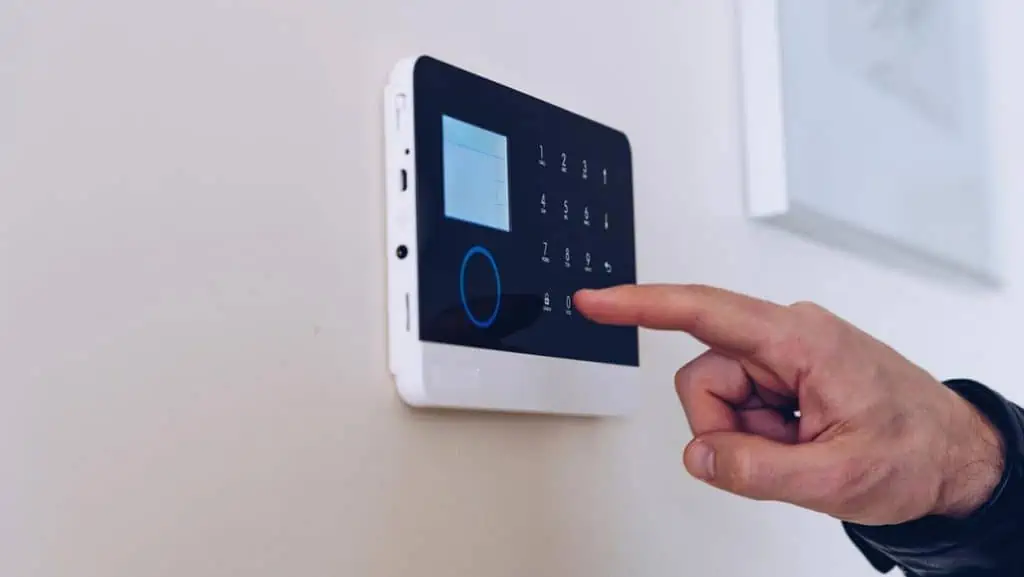
Home alarm keypads are another critical component often overlooked. They are the primary interaction point for users so they must be intuitive responsive and placed correctly. Poor keypad placement leads to rushed arming mistakes and delayed disarming which increases false alarms and user frustration.
The goal is to select hardware that balances durability ease of use and future expansion so your system evolves with your needs instead of becoming obsolete.
Professional Installation Over DIY Shortcuts
While DIY kits may seem appealing professional installation consistently delivers better outcomes. Burglar alarm system installation requires precise sensor placement correct wiring secure communication paths and proper system programming. Small installation errors can result in sensors that fail silently or alarms that trigger inconsistently.
Professional house alarm installation ensures that every component communicates correctly with the security system panel and monitoring services. It also ensures compliance with local regulations and best practices for safety and reliability.
At Nexlar our technicians install systems with long term performance in mind reducing false alarms and ensuring dependable operation under real world conditions.
Proper System Configuration and User Training
An alarm system is only as effective as its configuration and daily use. Many property owners ask how to set house alarm properly but the real question is how to set security alarm routines that match real life behavior.
Zones must be programmed logically so users can arm and disarm without confusion. Entry delays exit delays and motion sensor timing should reflect how people move through the space. Learning how to set house alarm at night is especially important because nighttime arming often differs from daytime use. Interior motion sensors may need to be bypassed while perimeter protection remains active.
Understanding how to set house alarm systems correctly reduces accidental triggers and ensures the alarm is always active when it should be.
Ongoing Maintenance and System Testing
Alarm systems are not install and forget solutions. Regular testing is essential to confirm sensors communication paths and backup power are functioning properly. A neglected system may appear armed while silently failing to detect threats.
Routine checks should include verifying keypad responsiveness testing alarm signals reviewing sensor coverage and confirming battery health. This proactive approach helps identify issues before they become security gaps.
At Nexlar we emphasize preventive maintenance because a system that fails during an incident offers no real protection regardless of brand or features.
Integrating Alarms Into a Broader Security Strategy
Modern home security best practices go beyond standalone alarms. Alarm systems are most effective when integrated with video surveillance access control and monitoring services. Integration allows faster verification better response times and stronger deterrence.
Knowing how to set alarm system protocols alongside cameras and access logs provides a complete picture during incidents. When alarms trigger operators can immediately verify activity and respond appropriately instead of relying solely on alerts.
This layered approach transforms alarms from basic noise makers into intelligent security tools.
Why Choose Nexlar for Alarm Systems and Installation
Nexlar delivers security solutions built on experience precision and accountability. We design and install alarm systems that are tailored to real environments not generic templates. Our team focuses on reliable burglar alarm system installation thoughtful house alarm installation and systems that are easy to use maintain and scale. Clients choose Nexlar because we prioritize long term protection system performance and clear communication from consultation to ongoing support.
Frequently Asked Questions
Q. What is the best way to set alarm system zones for a home?
The best approach is to separate perimeter zones from interior zones so doors and windows remain protected while allowing safe movement inside. This setup supports flexible arming options for day and night use.
Q. How do home alarm keypads affect daily system use?
Home alarm keypads play a major role in usability. Proper placement and clear labeling reduce user errors and make arming and disarming faster and more reliable especially during entry and exit periods.
Q. How often should a security system panel be tested?
Security system panel testing should be done regularly at least once every few months. Testing confirms communication power backup and sensor connectivity are functioning correctly.
Q. Is professional installation better than self installation?
Professional installation ensures correct sensor placement reliable wiring and proper configuration. It significantly reduces false alarms and system failures compared to self installed setups.
Q. How do I learn how to set house alarm at night correctly?
Night arming typically activates perimeter sensors while limiting interior motion detection. Proper configuration and user training ensure protection without triggering alarms during normal nighttime movement.
Follow Us