

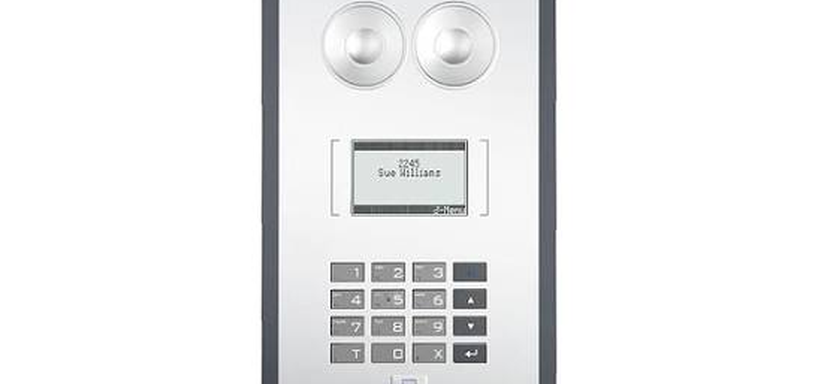
San Antonio’s pharmaceutical and biotechnology sector operates facilities that include pharmaceutical manufacturing operations, compounding pharmacies, medical device production facilities, and life sciences research labs. These facilities operate cleanrooms classified under ISO 14644 standards and pharmaceutical GMP (Good Manufacturing Practice) frameworks that impose specific environmental control and access management requirements.
Communication within and between cleanroom zones is a fundamental operational requirement that the controlled environment’s restrictions complicate significantly. Personnel inside the cleanroom wearing full gowning including gloves, face shields, and coveralls cannot use standard smartphones or handheld radios effectively. Physical door-opening for face-to-face communication between cleanroom zones disrupts pressure differentials. Standard intercom systems installed in cleanroom environments typically fail within months due to the chemical exposure from cleaning and sterilization procedures.
The result is a demand for intercom hardware that does not exist in the standard commercial or industrial intercom market: flush-mounted, chemically resistant, hands-free, hospital-grade intercom systems specifically designed for sterile pharmaceutical manufacturing and laboratory environments.
San Antonio pharmaceutical facilities choosing standard commercial intercoms for cleanroom installations are choosing hardware that will fail prematurely, that may create particle-shedding surfaces inconsistent with cleanroom classification requirements, and that may introduce contamination risks through their operation and maintenance. The correct approach is a cleanroom-specific intercom solution that addresses all of these requirements from the hardware specification rather than through operational workarounds.
Get a Free Cleanroom Intercom Assessment for Your San Antonio Pharmaceutical Facility
Nexlar designs and installs hospital-grade, chemically resistant cleanroom intercom systems for San Antonio pharmaceutical and biotech facilities. Contact Nexlar at nexlar.com/contact or call (281) 407-0768
Flush-Mounted Hospital-Grade Intercoms for Sterile Research Labs
The requirement for flush mounting in pharmaceutical cleanrooms is a contamination control and air flow management requirement, not an aesthetic preference. A surface-mounted intercom housing that protrudes from the wall creates horizontal surfaces where airborne particles can settle between cleaning cycles, turbulence points that disrupt the laminar airflow patterns that ISO classification depends on, and crevices at the mounting edges where contamination can accumulate and is difficult to remove during routine cleaning.
Flush-mounted intercom systems eliminate these issues by recessing the intercom housing into the wall so that the device face is flush with or slightly recessed below the wall surface. The resulting installation has no protruding edges, no horizontal particle settling surfaces, and no crevices at the mounting perimeter that present a cleaning challenge.
Hospital-grade construction. The term “hospital-grade” in intercom specification refers to a construction standard that goes beyond commercial building grade in electrical safety, material quality, and durability. Hospital-grade electrical outlets and components are tested to higher connection integrity standards than commercial grade equivalents, and the construction quality reflects the demanding use environment of healthcare facilities where repeated cleaning, continuous use, and regulatory scrutiny are the norm.
For San Antonio pharmaceutical cleanrooms, hospital-grade intercom components provide the electrical safety documentation, the construction quality, and the regulatory traceability that FDA facility inspection and cGMP compliance reviews may reference when evaluating the design and installation standards of a pharmaceutical facility. [1]
Speaker grille specifications. The speaker grille of a flush-mounted cleanroom intercom must be specified with the same care as the housing. Standard perforated metal grilles have particle retention characteristics that are incompatible with cleanroom classification maintenance. Smooth-faced membrane speaker covers or electropolished stainless grilles with minimal surface area and no retention points are the appropriate specifications for San Antonio pharmaceutical cleanroom intercom speaker faces.
The healthcare security solutions cover the San Antonio pharmaceutical and laboratory sector with cleanroom-appropriate security and communication systems as part of integrated facility security programs.
Hands-Free Touchless Microphone Systems for Contamination Prevention
Contact-free microphone operation is the most important contamination control feature of a pharmaceutical cleanroom intercom system. In a sterile manufacturing environment where every touch surface is a potential contamination vector, a microphone that requires hand contact to activate defeats the purpose of operating in a sterile gowning and glove protocol.
Two primary hands-free microphone technologies are available for San Antonio pharmaceutical cleanroom intercom applications:
Voice-activated (VOX) microphone systems. VOX (voice-operated exchange) microphones activate automatically when they detect a voice signal above a configured threshold level. The user speaks without pressing any button, and the intercom system activates automatically in response to the voice input. VOX systems are the most touch-free approach available but require careful sensitivity calibration: too sensitive and ambient cleanroom noise triggers false activations; not sensitive enough and the microphone fails to activate at normal conversational speech levels through a cleanroom face shield.
Proximity-sensing touchless activation. Some cleanroom intercom systems use infrared proximity sensors embedded in the intercom face that detect the presence of a hand or face within a configured range, activating the intercom without requiring physical contact. The user approaches the intercom and the proximity sensor activates communication without any touch.
Foot-switch or elbow-switch activation. For cleanroom positions where VOX calibration or proximity sensing is not appropriate, foot-switch or elbow-actuated switches provide touch-free activation through body contact with a surface that does not involve hand contact and that can be easily disinfected without concern for button mechanism integrity. [2]
Each of these approaches eliminates the gloved-hand contact with intercom buttons that would otherwise be required, addressing the contamination risk at the point of use.
High-Durability Enclosures for Bleach Washdowns and Chemical Disinfection
The cleaning and sterilization protocols used in San Antonio pharmaceutical cleanrooms represent the most demanding chemical exposure environment that intercom hardware encounters in any commercial installation category. Understanding what the hardware must survive is the prerequisite for specifying hardware that will survive it.
Routine disinfectant wipe-downs. Daily or shift-based disinfection of all cleanroom surfaces including intercom hardware typically uses 70 percent isopropyl alcohol, quaternary ammonium compound (QAC) solutions, or sodium hypochlorite (bleach) solutions at concentrations of 1,000 to 2,000 parts per million. All exposed surfaces of the cleanroom intercom, including the housing, speaker grille, microphone cover, and any activation surface, must be manufactured from materials that maintain integrity and appearance through repeated exposure to these agents.
Sodium hypochlorite (bleach) compatibility. Many standard electronic enclosure materials including standard ABS plastic, anodized aluminum finishes, and common powder coatings are degraded by repeated bleach exposure at pharmaceutical cleaning concentrations. 316L stainless steel, polished or electropolished finish, is the material with the broadest chemical compatibility for pharmaceutical cleanroom intercom enclosures, maintaining appearance and structural integrity through repeated bleach washdowns. [3]
Hydrogen peroxide vapor (HPV) sterilization cycles. For San Antonio pharmaceutical facilities conducting HPV sterilization cycles, all intercom hardware in the sterilization zone must be sealed to prevent HPV penetration and manufactured from materials compatible with hydrogen peroxide at sterilization concentrations (300 to 1,000 ppm). IP67 sealing with HPV-compatible gasket materials (silicone, EPDM) is the minimum requirement for intercom hardware that will be in a space during HPV cycles.
FDA cGMP and USP 797 Compliance for Cleanroom Communication Systems
San Antonio pharmaceutical facilities operating under FDA 21 CFR Parts 210 and 211 (cGMP regulations for pharmaceutical manufacturing) and under USP Chapter 797 (sterile compounding pharmacy standards) must document that all equipment and infrastructure in the cleanroom environment is appropriate for that environment and does not introduce contamination risks.
Intercom systems installed in cleanrooms are considered equipment subject to this documentation requirement. The facility’s equipment qualification documentation should include the cleanroom intercom system with specifications documenting that the hardware is appropriate for the cleanroom classification (ISO 5, ISO 7, or ISO 8 as applicable), that the materials are compatible with the cleaning agents used, and that the installation method maintains the integrity of the cleanroom envelope.
For San Antonio facilities undergoing FDA inspection, documentation of the cleanroom intercom system specifications and installation method demonstrates the design approach applied to the controlled environment rather than leaving inspectors to make their own assessment from visual observation.
Nexlar’s access control systems for San Antonio pharmaceutical facilities integrate with cleanroom intercom systems to create a complete controlled access and communication platform that supports FDA and USP compliance documentation.
Cost and Pricing for San Antonio Pharmaceutical Cleanroom Intercom Installations
| Installation Scope | Estimated Cost Range |
|---|---|
| Single Flush-Mounted Cleanroom Intercom Station (installed) | $1,500 to $4,500 |
| Cleanroom Suite (4 to 8 intercom stations) | $8,000 to $28,000 |
| HPV-Compatible Stainless Intercom (per station, premium) | $2,500 to $6,000 |
| Hands-Free VOX or Proximity System (per station) | $500 to $1,500 additional |
| Access Control Integration (per cleanroom zone) | $2,000 to $6,000 |
| FDA Equipment Documentation Package | $1,500 to $3,500 |