

San Antonio consistently ranks among the Texas cities with the highest rates of vehicle-related crime, and apartment complex parking lots represent a concentrated category of this crime exposure. Catalytic converter theft, window smash-and-grab break-ins, vehicle prowling, and parking lot vandalism are regular occurrences at San Antonio multifamily properties, particularly in the high-density apartment corridors along US-281 north, Bandera Road, Culebra, and the Southeast Side residential areas.
For San Antonio apartment property managers and community associations, vehicle crime in the parking lot generates multiple concurrent problems: resident complaints and lease non-renewal decisions, potential liability exposure for inadequate security measures, police report management, and the administrative time burden of investigating and documenting each incident.
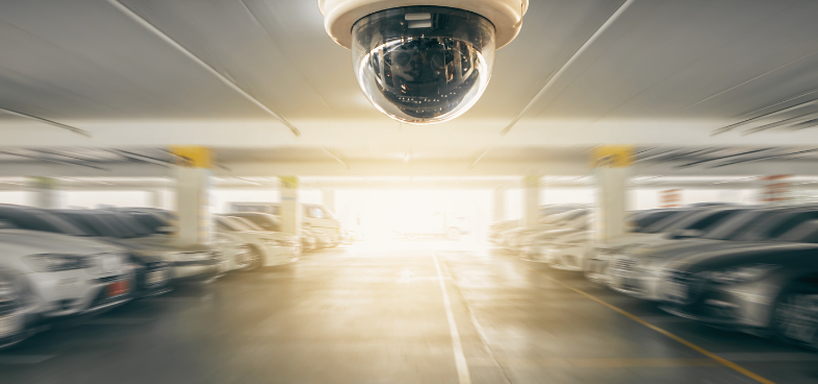
Camera systems that are visible in the parking lot, that produce footage clearly showing what happened during vehicle crime events, and that make the recording accessible to law enforcement quickly are the most effective physical countermeasure available for San Antonio apartment parking lot crime.
The critical word in that description is “visible.” The deterrence value of cameras is directly proportional to their visibility to individuals considering committing vehicle crime in the parking area. Cameras that are mounted high on poles, clearly visible from the parking lot surface, and in locations where anyone approaching vehicles can see them actively deter the category of opportunistic vehicle crime that constitutes the majority of San Antonio apartment parking lot incidents.
Get a Free Apartment Parking Camera Assessment in San Antonio
Nexlar designs parking lot security camera systems for San Antonio apartment communities with starlight low-light specification and weather-protected installation. Contact Nexlar at nexlar.com/contact or call (281) 407-0768
How Visible Camera Presence Deters Vandals and Vehicle Prowlers
The behavioral mechanism of camera deterrence for vehicle crime is well-supported by research and by the operational experience of property managers who have tracked incident rates before and after camera system installation. [1]
Opportunistic vehicle crime, including window smash-and-grab, door handle testing, and catalytic converter removal, is almost always committed by individuals who believe they are not being observed and are not being recorded. The presence of visible, well-maintained cameras changes this risk perception. A person approaching parked vehicles in a San Antonio apartment parking lot at night sees the cameras, knows that their presence is being recorded, and assesses this as a risk that makes the adjacent property without cameras a less risky target.
This deterrence effect is strongest when cameras are mounted on poles at moderate heights (12 to 16 feet) that make them clearly visible at eye level from the parking lot surface, when the cameras are clearly functional rather than appearing weathered or damaged, and when the pole mounting is distributed throughout the parking area rather than concentrated at entry points where they can be avoided by approaching from other directions.
For San Antonio apartment communities where vehicle crime has been concentrated in specific areas of the parking lot based on past incident reports, camera placement that prioritizes the highest-incident areas provides the strongest deterrence where it is most needed.
Nexlar’s apartment security systems include parking lot camera placement analysis based on the community’s specific incident history and parking lot layout.
Starlight Low-Light Cameras for After-Dark San Antonio Parking Areas
The majority of vehicle crime in San Antonio apartment parking lots occurs during evening and overnight hours, from after sunset through early morning. This is the time window when standard cameras with inadequate low-light performance produce footage that is too dark, too noisy, or too lacking in detail to be useful for identifying individuals or documenting incident details.
Starlight technology cameras, built on Sony Starvis or Starvis 2 image sensors, provide color, identification-quality footage in lighting conditions as low as 0.001 lux. This is approximately the light level of a parking lot illuminated only by distant streetlights with no on-site security lighting, a condition common in San Antonio apartment parking areas. [2]
The difference between standard IR camera footage and starlight camera footage in these conditions is dramatic. Standard IR cameras produce grainy, monochromatic footage at these light levels that shows movement and general shapes but not the facial features, vehicle details, and clothing characteristics that identify individuals in an investigation. Starlight cameras produce full-color footage with clear facial features, readable license plates on nearby vehicles, and identifiable clothing and physical characteristics.
For San Antonio apartment property managers responding to resident vehicle crime reports, the difference between footage that identifies the perpetrator and footage that shows a dark shape near a car is the difference between a productive police report and a dead-end investigation.
Weather-Protected Enclosures and Secure Mounting for San Antonio’s Climate
San Antonio’s outdoor climate creates specific durability requirements for parking lot cameras that standard indoor or light-outdoor cameras do not meet. Summer temperatures that regularly exceed 100 degrees Fahrenheit, high humidity during the summer rainy season, occasional severe storms with high wind and hail, and UV exposure that degrades standard plastic housings within 12 to 24 months are all factors that determine the service life of parking lot camera installations.
IP66 or IP67 weather protection. All San Antonio apartment parking lot cameras require IP66 minimum (dust-tight and protected against high-pressure water jets from any direction) or IP67 (dust-tight and protected against temporary water immersion) housing ratings. IP66 protects against the driving rain of San Antonio thunderstorms. IP67 provides additional protection for cameras in low-lying mounting positions where brief flooding during heavy rain events may occur.
UV-stable housing materials. Camera housings manufactured from UV-stabilized polycarbonate or metal (aluminum or stainless steel) maintain structural integrity and appearance through extended San Antonio sun exposure. Standard plastic housings without UV stabilization yellow, crack, and become brittle within two to three San Antonio summers.
High-temperature operating range. Camera electronics specified for ambient operating temperatures up to 60 degrees Celsius (140 degrees Fahrenheit) or higher accommodate the heat buildup in direct-sun-exposed camera housings on San Antonio parking lot poles during peak summer afternoons.
Secure pole mounting against physical tampering. Parking lot cameras mounted on poles are accessible to anyone in the parking area. Tamper-proof fasteners at the camera mounting and at pole base covers prevent unauthorized removal or adjustment of cameras by individuals who want to change the camera’s coverage angle before committing vehicle crime.
Visit Nexlar’s security cameras systems for the full range of outdoor camera specifications for San Antonio apartment parking environments.
Cost and Pricing for San Antonio Apartment Parking Camera Installations
| Installation Scope | Estimated Cost Range |
|---|---|
| Small Parking Area (8 to 15 cameras with poles) | $8,000 to $22,000 |
| Mid-Size Community (15 to 30 cameras) | $18,000 to $45,000 |
| Large Multi-Building Community (30 to 60 cameras) | $40,000 to $90,000 |
| LPR Entry Camera (per lane, installed) | $2,500 to $6,000 |
| Starlight Upgrade (per camera vs. standard) | $200 to $500 additional |
| Cloud Management Subscription | $100 to $350 per month |