

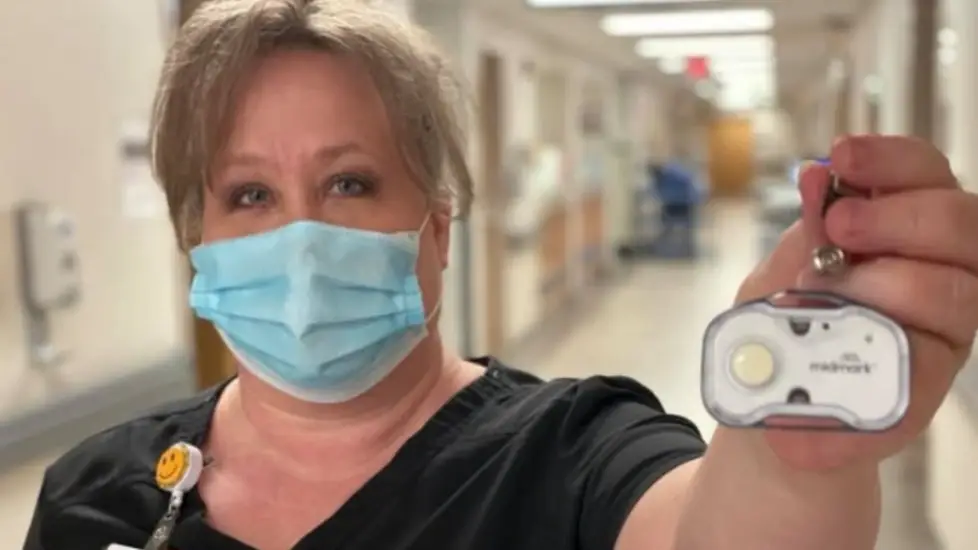
Panic Buttons for Nurses: Wearable vs. Fixed
In healthcare settings, the safety of nurses and other healthcare workers is paramount. Emergency situations, from patient aggression to medical emergencies, can arise unexpectedly. Nurse panic button systems are vital tools in ensuring that help is quickly available in these critical moments. As technology has advanced, the two most common types of panic buttons are wearable panic buttons and fixed panic buttons. Each offers distinct advantages and disadvantages, and understanding these differences is key to selecting the right solution for your healthcare facility.
Wearable Panic Buttons: Pros and Cons
Wearable panic buttons are designed for nurses to carry with them at all times, offering a quick response in an emergency. These devices come in various forms such as wristbands, pendants, or clip-on badges, providing flexibility and ease of use.
Pros:
- Mobility: Nurses can activate the alarm while moving through different departments or patient rooms.
- Discreetness: The small, wearable design allows nurses to discreetly send a panic alert without alarming patients or visitors.
- Wireless Connectivity: Many wearable panic buttons are integrated with a wireless panic button system, ensuring real-time communication with the hospital's security or response team.
Cons:
- Battery Life: Wearable devices need regular charging, and battery failure could lead to a lack of emergency response.
- Misplacement Risk: There's a chance that nurses may misplace or forget to wear the device, especially in high-stress environments.
Fixed Panic Buttons: Limitations
Fixed panic buttons are typically installed in specific locations throughout the hospital, such as nurse stations or patient rooms. These systems are wired into the building's network and are always ready to be activated.
Pros:
- Always Available: With fixed panic buttons, nurses don’t need to worry about remembering to wear them; they are ready whenever needed.
- Reliable Power Source: Fixed panic buttons are connected to the building’s power supply, ensuring they work during emergencies.
Cons:
- Limited Mobility: Fixed panic buttons can only be used when a nurse is near the installed unit. This limits their usefulness in dynamic, fast-paced healthcare settings.
- Vulnerable Locations: If a nurse is unable to access the fixed panic button due to the situation, it won't be helpful in that moment.
Locating Staff in Distress
Another crucial feature of nurse panic button systems is the ability to track the location of the nurse in distress. Some advanced systems offer real-time location tracking, which is especially helpful in large hospitals with multiple departments.
Benefits of Location Tracking:
- Faster Response Time: By pinpointing the nurse’s exact location, security teams or medical staff can respond immediately to the emergency.
- Reduced Search Time: Locating staff in distress saves valuable time compared to searching for the person manually, which can be critical in life-threatening situations.
Choosing the Right System for Your Facility
Both wearable and fixed panic button systems have their place in modern healthcare facilities. While wearable panic buttons provide more flexibility and mobility, fixed systems offer more reliability in terms of power and availability. Some hospitals are opting for hybrid solutions that incorporate both wearable devices and fixed units, ensuring comprehensive coverage in all areas.
Why Choose Us
At Nexlar, we specialize in providing cutting-edge panic alarm systems tailored to the unique needs of healthcare providers. Our systems combine wearable and fixed panic button solutions, offering hospitals the flexibility and reliability required to maintain staff safety. We understand the critical nature of timely responses in emergencies, and our systems are designed to ensure that help is always just a button away. To learn more about our nurse panic button systems or to schedule a demo, contact Nexlar today.
FAQs
Q1: What is a nurse panic button system?
A nurse panic button system is a safety tool used in healthcare settings to alert security or medical staff in case of an emergency. These systems are available in wearable or fixed models.
Q2: Are wearable panic buttons better than fixed ones?
It depends on your healthcare facility’s needs. Wearable buttons offer mobility and discreetness, while fixed buttons are more reliable in terms of continuous power supply.
Q3: Can panic button systems track the location of a nurse in distress?
Yes, advanced panic button systems can offer real-time location tracking, ensuring quicker response times in large facilities.
Q4: How long does the battery of a wearable panic button last?
Battery life varies depending on the model. Regular charging is typically required to ensure functionality, but some systems offer long-lasting batteries.
Q5: Can I integrate a nurse panic button system with other hospital security systems?
Yes, many nurse panic button systems can be integrated with other hospital systems, such as surveillance cameras, alarm systems, and emergency notification systems for a comprehensive safety solution.
Follow Us