

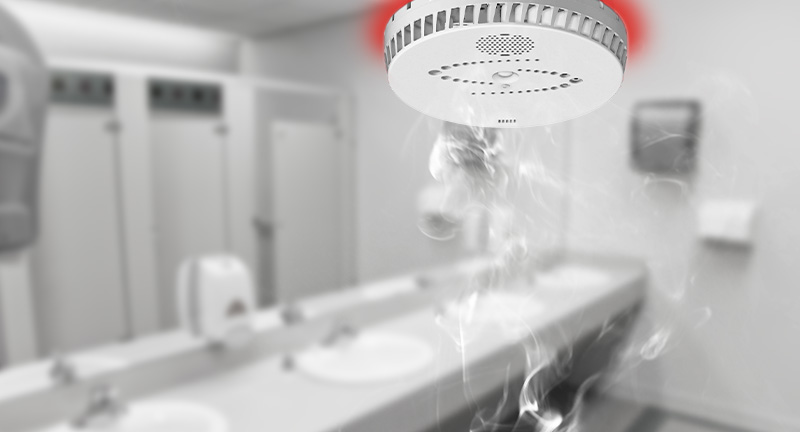
Privacy Laws: Sensors in School Restrooms?
In recent years, the issue of privacy in public spaces has come under increasing scrutiny. Among the most sensitive areas in terms of privacy are school restrooms. With the advancement of technology, schools are exploring various surveillance methods, including the use of sensors in restrooms. However, the implementation of these technologies raises important questions about privacy and compliance with existing laws. In this blog, we will delve into the topic of privacy laws related to sensors in school restrooms, with a particular focus on Texas law. We’ll examine the legal framework, restrictions, and best practices that schools must adhere to when considering surveillance in such private spaces.
Texas Surveillance Laws
Texas has a robust legal framework designed to protect the privacy rights of individuals, especially in spaces where there is an expectation of privacy. The use of surveillance equipment, such as cameras and sensors, in school restrooms is governed by Texas surveillance laws. These laws are primarily focused on protecting individuals from unwarranted surveillance and ensuring that their right to privacy is respected.
One of the key concerns when installing sensors or surveillance cameras in restrooms is the issue of consent. Under Texas law, schools are generally prohibited from using cameras or recording devices in areas where individuals have a reasonable expectation of privacy. This includes bathrooms and locker rooms. The Texas Constitution provides strong privacy protections, and the state has specific guidelines that school districts must follow to ensure that their surveillance measures do not violate these rights.
Schools must also be mindful of federal regulations such as the Family Educational Rights and Privacy Act (FERPA), which further governs the privacy of student information. Any surveillance system that collects data, even from sensors, must comply with FERPA to prevent the unauthorized sharing of personal information.
Audio Recording Restrictions
In addition to visual surveillance, audio recording in school restrooms is another area of concern. Texas law has strict guidelines regarding audio surveillance, and it is illegal to record private conversations without the consent of all parties involved, unless it is done under specific legal circumstances. The Texas Penal Code makes it clear that recording audio without consent is a criminal offense.
In the context of school restrooms, this means that while sensors can be used to detect motion or other physical changes (such as the opening of a door or the use of a sink), using microphones or other audio-recording equipment would likely violate privacy laws. Schools need to be aware of these restrictions when considering sensor technologies that might include audio capabilities.
For schools that want to implement sensor systems, it is important to avoid any features that could inadvertently record conversations or other private audio data. This ensures that they stay compliant with both state and federal privacy regulations, as well as the ethical standards that govern educational institutions.
Best Practices for Implementing Sensors in Restrooms
When considering the use of sensors in school restrooms, schools must follow best practices that respect privacy while addressing safety concerns. Below are a few key practices that can help schools navigate this complex issue:
- Clear Policies and Communication: Schools should have clear, transparent policies about surveillance in restrooms. These policies should be communicated to students, staff, and parents to ensure everyone understands the purpose of the technology and the limits of its use.
- Non-Invasive Technology: Schools should invest in non-invasive sensor technology, such as motion detectors and door sensors, which do not capture images or audio. These sensors can monitor restroom activity to prevent vandalism or ensure that students are not in restrooms for extended periods. However, they must avoid recording any identifying information or capturing private conversations.
- Data Protection and Security: Any data collected from sensors should be securely stored and access should be restricted to authorized personnel only. Schools should implement strong data protection measures to prevent unauthorized access to this sensitive information.
- Periodic Audits and Compliance Checks: Schools should regularly audit their surveillance systems to ensure compliance with state and federal privacy laws. Regular compliance checks will help prevent any unintentional violations and ensure that the technology is being used appropriately.
- Seek Legal Advice: Before implementing any sensor or surveillance technology, schools should consult with legal professionals to ensure compliance with privacy laws. Consulting with experts in Texas privacy law will help schools avoid potential legal pitfalls and create a system that is both effective and legal.
Why Choose Us
At Nexlar, we understand the importance of balancing security and privacy. Our team specializes in providing state-of-the-art surveillance solutions that comply with Texas laws, including school bathroom privacy laws. We work closely with educational institutions to design custom sensor systems that enhance security without compromising the privacy of students and staff. Our legal experts ensure that our solutions adhere to both state and federal regulations, giving you peace of mind.
For professional advice on implementing privacy-compliant sensor systems, contact us today. If you need help understanding Texas privacy laws or implementing surveillance systems that respect privacy in school restrooms, don’t hesitate to reach out. Our team is here to assist you with tailored solutions that ensure compliance and security.
FAQs
Q1. What are the Texas school bathroom laws regarding surveillance?
Texas law prohibits the use of cameras or recording devices in areas where individuals have a reasonable expectation of privacy, such as school restrooms. Schools can use sensors, but they must avoid audio or video surveillance that infringes on privacy rights.
Q2. Can schools use motion sensors in restrooms without violating privacy laws?
Yes, motion sensors can be used in school restrooms, provided they do not capture images or audio. These non-invasive sensors can be used to monitor activity and prevent vandalism, but they must not violate privacy expectations.
Q3. Are there any restrictions on audio recording in Texas public restrooms?
Yes, Texas law restricts audio recording in places where individuals have a reasonable expectation of privacy, including restrooms. Schools must avoid any form of audio recording without consent to comply with privacy laws.
Q4. How can schools ensure compliance with Texas bathroom privacy laws?
Schools can ensure compliance by using non-invasive sensor technologies, implementing clear privacy policies, securing collected data, and consulting legal experts to avoid unintentional violations of Texas privacy laws.
Q5. What are the new bathroom laws in Texas?
New bathroom laws in Texas focus on protecting individual privacy rights in public spaces. These laws restrict the use of surveillance equipment, including cameras and audio recorders, in areas where privacy is expected, such as restrooms.
Follow Us