

Man-Trap Interlocks: How to Install & Configure
When security gaps cost businesses thousands of dollars and put people at risk, the solution is not always more cameras or a bigger guard team. Sometimes, what a facility truly needs is a physical barrier that controls exactly who enters a space and when. That is where a mantrap interlock system installation becomes essential. At Nexlar, we have worked with data centers, government facilities, healthcare campuses, and financial institutions to design and deploy man trap security door systems that eliminate tailgating, unauthorized access, and security vulnerabilities at the most critical entry points.
This guide walks you through what a mantrap is, how the interlock logic works, what hardware you need, and how to configure the system for safe and compliant operation.
What Is a Mantrap and Why Does It Matter
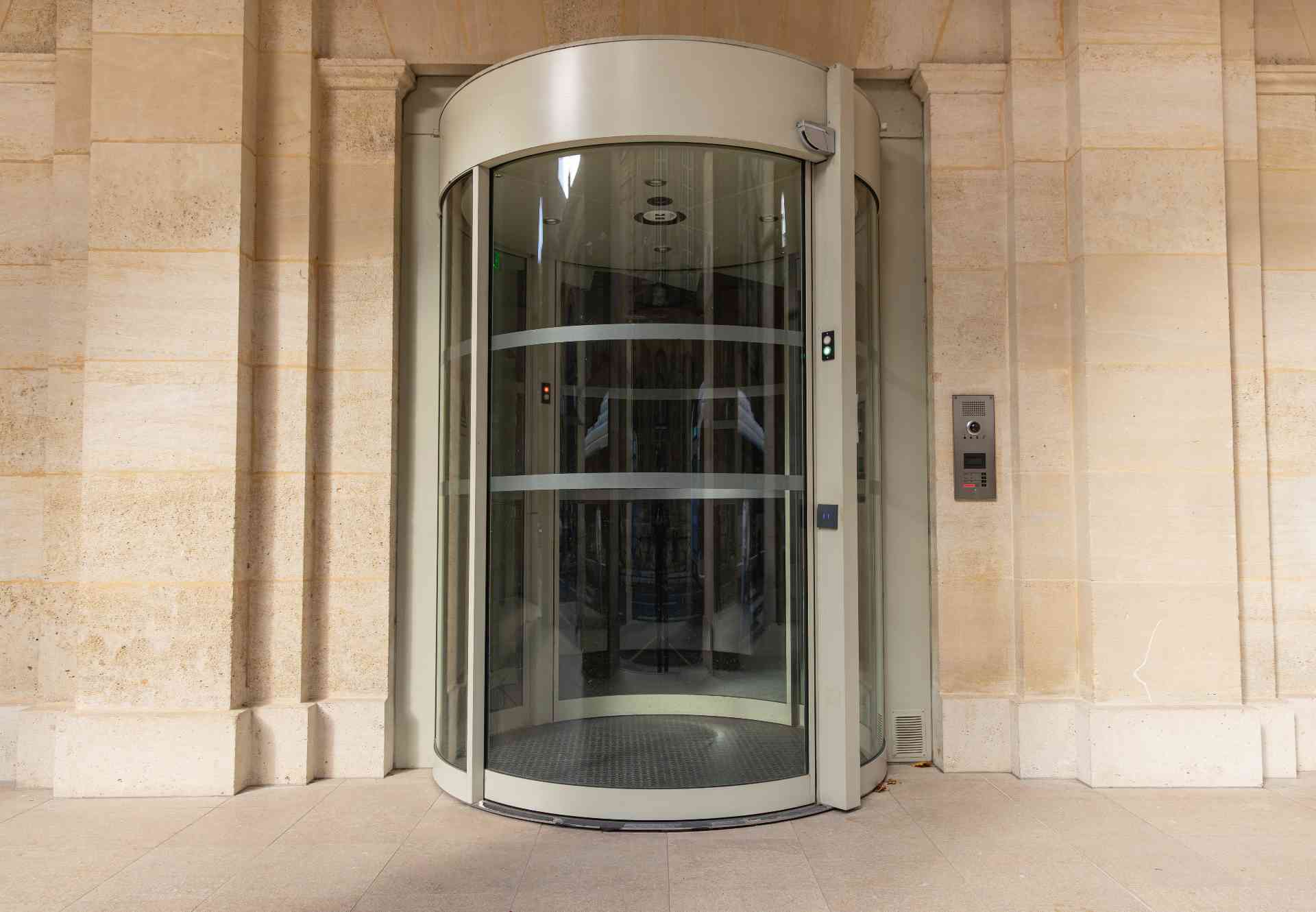
Before getting into the technical side, it helps to understand what is a mantrap at its core. A mantrap is a small, enclosed vestibule positioned between two secured doors. A person must pass through the first door, wait inside the enclosed space, and only then gain access through the second door, provided they pass the required authentication check. The two mantrap security doors cannot open simultaneously, which is the defining characteristic of the entire system.
This architecture prevents tailgating, which is when an unauthorized person slips through a secure entry behind someone who has legitimate access. In high-security environments, a single tailgating incident can expose sensitive data, compromise physical assets, or create serious liability. A mantrap door system stops that threat entirely because it physically isolates each person before granting forward access.
Interlock Logic Explained
The intelligence behind a mantrap access control setup lies in the interlock logic, which is the set of rules that governs how the two doors communicate with each other. The fundamental principle is simple: Door A and Door B must never be open at the same time. However, real-world deployments involve considerably more complexity than that single rule.
The interlock controller monitors the real-time state of each door using magnetic door contacts or reed switches. When Door A is granted access and swings open, the controller immediately signals Door B to remain locked, regardless of any credential presented. Door A must fully close and confirm its closed state before the system permits authentication at Door B. This door-closed confirmation typically comes from a dedicated door position sensor, not just a timer, because timers can fail or be manipulated.
Most modern mantrap interlock controllers also support occupancy detection inside the vestibule. Using infrared sensors or weight-sensing floor tiles, the system confirms that only one person is inside the trap before proceeding. If two people are detected, both doors lock, and an alert is sent to the security team. This anti-passback logic is what separates a basic double-door entry from a true mantrap door system.
Temporal logic is another layer that experienced installers configure carefully. You can define a maximum dwell time, the amount of time a person is allowed to remain in the vestibule before the system goes into lockdown. This prevents someone from holding the space open deliberately while waiting for a confederate to breach the outer perimeter.
Hardware Requirements
A reliable mantrap interlock system installation depends on selecting the right physical components from the start. Retrofitting cheap hardware onto a high-security application is a common mistake that leads to failures.
The doors themselves are the foundation. Man trap security doors must be rated for forced entry and should be constructed of steel-reinforced frames with commercial-grade hinges. Standard hollow-core or even solid-wood doors are not appropriate for mantrap applications. The door gaps must be tight enough to prevent shimming or bypassing of the latch, and each door should have a dedicated electromagnetic lock or electric strike rated to hold against significant force.
The access control readers at both entry and exit points should match the security level of the facility. In high-security environments, biometric readers, such as fingerprint or iris scanners, are paired with card credentials to create multi-factor authentication at each door. In moderate-security installations, smart card readers alone may be sufficient. Nexlar works with leading brands including Kantech, Avigilon, and ZKTeco to match reader technology to the specific threat profile of the facility.
Power supply is a critical and often underestimated element. The interlock controller, both electromagnetic locks, and all readers must remain operational during a power interruption. This requires a dedicated uninterruptible power supply with enough battery backup to cover the expected outage duration. Locks should be fail-secure by default in high-security installations, meaning they remain locked when power is lost, though the emergency release rules covered in the next section govern exceptions to this.
Cabling between the controller, readers, locks, and sensors should be run in conduit with no accessible junction points inside the vestibule. Any exposed cabling inside the trap can be exploited to defeat the system.
Emergency Release Rules
Life safety is non-negotiable. No matter how sophisticated the mantrap access control configuration, the system must allow people to exit safely in an emergency. This is where emergency release rules require precise engineering and compliance review.
In the United States, fire codes generally mandate that doors on the path of egress must release automatically upon activation of the fire alarm system. For mantraps, this typically means both doors unlock and swing freely when the building fire alarm triggers. Some jurisdictions require a manual break-glass emergency release button inside the vestibule that instantly unlocks both doors. These requirements vary by state and local authority, so Nexlar always reviews applicable codes before finalizing any design.
Emergency release events must be logged. The access control system should record the timestamp, the nature of the release trigger, and whether the event was automated or manually activated. These logs are essential for post-incident review and for demonstrating regulatory compliance during audits.
Resetting the system after an emergency release should require a deliberate administrative action, not just a door close event. Unauthorized resets after a fire alarm could allow someone to exploit the temporary unlocking event. A supervisor-level credential or a physical key-switch reset is standard practice in properly configured installations.
Step by Step Configuration Walkthrough
Once the hardware is in place, configuring the interlock logic is done through the access control software. The controller is programmed with specific input-output relationships, which define exactly what each sensor state triggers in terms of lock and reader behavior.
The first configuration task is defining door groups. Door A and Door B are linked as an interlock pair, meaning any event on one door is automatically cross-referenced with the state of the other. Within the software, this is often labeled as an antipassback zone or a mantrap zone depending on the platform.
Next, the dwell time and occupancy rules are set. The integrator programs the maximum vestibule occupancy at one person and sets the dwell timer, typically between fifteen and sixty seconds, depending on the authentication method at Door B. If biometric verification is used, a longer dwell time accommodates the scan process. If a simple card read is sufficient, a shorter window reduces risk.
Alarm outputs are then mapped to the appropriate notification channels. A vestibule breach, a door-held-open condition, or a dual-occupancy detection should all trigger immediate alerts to the monitoring system or security operations center. At Nexlar, we integrate these alerts directly into our clients' video surveillance platforms so operators can see the vestibule camera feed the moment an alarm triggers.
Finally, access levels are assigned. Not every credential holder should have access through a mantrap. The system should be configured so that only specifically authorized personnel can initiate a mantrap cycle, while everyone else is redirected to standard entry points.
Why Choose Nexlar for Your Mantrap System
At Nexlar, we do not just install hardware. We build security solutions that are engineered to the specific needs of each facility. Our team has designed and deployed mantrap interlock systems for data centers, financial institutions, healthcare facilities, and government buildings across Houston, Dallas, San Antonio, Austin, Fort Worth, and San Marcos. We are a licensed security integrator with an A-plus BBB rating, and every technician on our team passes a rigorous background check before stepping onto a client's property. We work with best-in-class brands and bring deep expertise in access control system design, interlock programming, and life-safety code compliance. When you choose Nexlar, you get a partner who is invested in the long-term performance of your security infrastructure, not just the initial installation.
Frequently Asked Questions
What is a mantrap in physical security?
A mantrap is a small, enclosed vestibule between two interlocked doors that allows only one person to pass through at a time. It prevents tailgating by ensuring both doors cannot be open simultaneously.
What is the difference between a mantrap and a standard double-door entry?
A standard double-door entry has no interlocking logic. Both doors can open at the same time. A mantrap door system uses an interlock controller to enforce that one door must be fully closed and secured before the other can be opened.
What industries commonly use mantrap access control?
Data centers, government facilities, financial institutions, pharmaceutical companies, healthcare campuses, and any environment that holds sensitive assets or requires strict access control commonly deploy mantrap systems.
How does a mantrap interlock system prevent tailgating?
Occupancy detection sensors inside the vestibule confirm that only one person is present before Door B is permitted to open. If two people are detected, both doors lock and an alert is triggered.
Do mantrap systems need to comply with fire codes?
Yes. Fire and life safety codes require that doors on egress paths release automatically during a fire alarm event. Nexlar designs every mantrap installation to meet applicable local and national fire code requirements.
Can a mantrap interlock system be integrated with video surveillance?
Absolutely. Nexlar integrates mantrap systems with security camera platforms so operators receive live vestibule footage alongside access control alerts in real time.
What happens if power is lost during a mantrap cycle?
In fail-secure configurations, both doors remain locked during a power loss. The emergency release mechanism, powered by a battery backup, allows safe egress at all times.
How long does a mantrap interlock system installation take?
Depending on the complexity of the hardware, cabling runs, and software configuration, a standard mantrap installation typically takes one to three days. Nexlar provides a detailed project timeline during the free onsite consultation.
Follow Us