

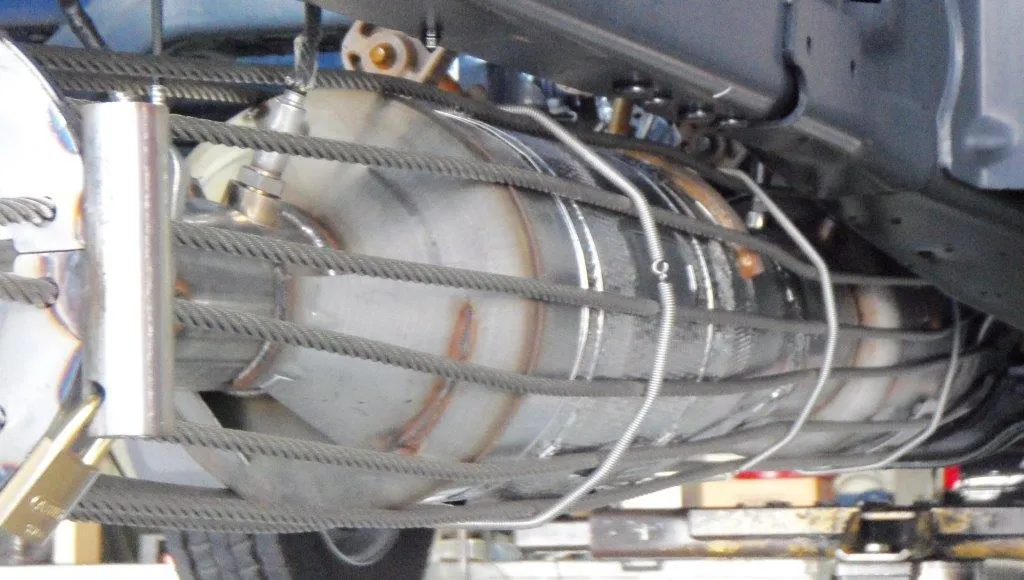
Catalytic Converter Theft: Best Perimeter Defenses for Fleets
Catalytic converter theft has become one of the fastest growing property crimes impacting commercial fleets across the United States. For fleet managers, operations directors, and business owners, a single stolen catalytic converter can disrupt routes, delay service calls, and create thousands of dollars in unexpected expenses.
At Nexlar, we work directly with organizations that need real security answers, not temporary fixes. This guide explains what are catalytic converters, why they are targeted, and how to prevent catalytic converter theft using layered perimeter defenses designed specifically for fleet environments.
Understanding Why Fleets Are Targeted
Before discussing catalytic converter theft prevention, it is important to understand why fleets are such attractive targets.
What are catalytic converters and why do criminals want them. Catalytic converters are emission control devices installed in vehicles to reduce harmful pollutants. They contain precious metals such as platinum, palladium, and rhodium. These metals can be extracted and resold for cash, which makes every catylac converter a potential target in an unsecured parking lot.
Fleet trucks, delivery vans, service vehicles, and commercial work trucks are often parked overnight in large open lots. Criminals can remove a catalytic converter in less than two minutes. When multiple vehicles are parked together, thieves can steal several units in one visit.
The result is more than a stolen catalytic converter. It is downtime, missed service windows, rental vehicle costs, and reputational damage.
The Cost of Fleet Theft
The financial impact of catalytic converter theft extends beyond replacement parts. A single stolen catalytic converter can cost between several hundred and several thousand dollars to replace depending on the vehicle type. For catalytic converter theft prevention fleet trucks, the stakes are even higher because commercial vehicles often require specialized converters that cost more and take longer to source.
When multiple fleet trucks are targeted in one night, the total loss can escalate quickly. Businesses must also consider labor costs, insurance deductibles, operational delays, and potential regulatory risks if vehicles are driven without proper emissions systems.
For large fleets, even one security gap can translate into recurring losses. That is why catalytic converter theft prevention must be proactive and perimeter focused.
The Shift from Reactive to Preventive Security
Many companies respond to theft only after experiencing a loss. Installing under vehicle cages or marking parts may slow down criminals, but these solutions do not stop the initial attempt.
True catalytic converter theft prevention starts at the perimeter. The goal is to deter, detect, and disrupt before a criminal reaches a vehicle. When properly designed, a perimeter defense strategy eliminates opportunity and increases risk for would be thieves.
At Nexlar, we focus on integrated perimeter protection that includes detection, surveillance, and immediate response mechanisms tailored to fleet environments.
Perimeter Detection Systems
Perimeter detection systems form the first layer of defense against catalytic converter theft. Advanced detection technology uses motion sensors, fence line sensors, radar analytics, and thermal imaging to monitor large fleet yards in real time. These systems identify unusual movement near vehicles during off hours and immediately trigger alerts.
Unlike basic cameras that record after the fact, intelligent detection platforms provide real time awareness. Security teams or monitoring centers can respond before a stolen catalytic converter is removed.
For catalytic converter theft prevention fleet trucks, this early detection is critical. Thieves rely on speed and minimal interruption. When perimeter sensors activate lighting, audio warnings, or remote monitoring, the risk increases and most criminals retreat.
Integrated detection systems also reduce false alarms by using analytics to differentiate between environmental movement and genuine intrusion threats. This ensures security teams focus only on real incidents.
Audio Warning Systems
Audio warning systems are one of the most underestimated yet highly effective tools for catalytic converter theft prevention.
When motion is detected in a restricted area, an automated voice warning can announce that the property is under surveillance and that law enforcement will be notified. This immediate engagement changes the psychology of the situation.
Most catalytic converter theft incidents are crimes of opportunity. Criminals prefer quiet, dark, and low risk environments. A loud, clear, and authoritative audio warning disrupts that environment instantly.
By combining audio warnings with visible surveillance cameras and lighting activation, fleet yards create an unmistakable deterrent presence. This layered approach significantly reduces the likelihood of a successful catalytic converter theft attempt.
Intelligent Video Surveillance for Fleet Protection
Modern video surveillance systems play a central role in how to prevent catalytic converter theft. High resolution cameras positioned at entry points, fence lines, and vehicle rows provide continuous monitoring. When paired with video analytics, these systems can identify loitering behavior near fleet trucks and trigger alerts before a catylac converter is touched.
Remote monitoring services add another layer of security. Trained professionals can issue live voice downs, contact site managers, or dispatch authorities when suspicious activity is confirmed.
The difference between a recorded incident and a prevented incident often comes down to response time. Nexlar designs systems that prioritize rapid awareness and decisive action.
Controlled Access and Secure Yard Design
Access control is another critical element in catalytic converter theft prevention. Many fleet yards rely on simple padlocks or manual gates. Upgrading to controlled entry systems with credential verification, gate automation, and entry logs creates accountability.
Vehicle access gates equipped with integrated cameras and license plate recognition technology help track every entry and exit. When access is controlled and documented, unauthorized entry becomes far more difficult.
Lighting design also plays a significant role. Well lit yards eliminate shadow zones where thieves typically operate. Strategic lighting combined with surveillance enhances visibility and deterrence.
Layered Defense Strategy for Fleet Managers
Effective catalytic converter theft prevention fleet trucks requires a layered strategy rather than a single device. The perimeter layer detects and deters entry. The surveillance layer monitors vehicle rows and identifies suspicious behavior. The response layer ensures immediate action.
This layered model ensures that even if one layer is tested, additional layers remain active. It transforms fleet security from passive observation to active protection.
For organizations asking how to prevent catalytic converter theft in large vehicle yards, the answer lies in integration. Security systems must communicate with each other and provide centralized visibility.
Why Choose Us
At Nexlar, we specialize in designing customized perimeter defense solutions for commercial fleets and enterprise properties. We do not install generic systems. We assess your risk profile, property layout, fleet size, and operational schedule to engineer a security solution that actively prevents catalytic converter theft. Our team integrates detection, audio intervention, surveillance, and access control into one cohesive platform built for reliability and rapid response.
Frequently Asked Questions
Q. What are catalytic converters and why are they stolen?
Catalytic converters are emission control components installed in vehicles to reduce harmful exhaust pollutants. They contain precious metals such as platinum and rhodium. Criminals steal them because these metals can be resold, making catalytic converter theft a profitable and fast crime.
Q. How to prevent catalytic converter theft in fleet environments?
The most effective way to prevent catalytic converter theft in fleets is through layered perimeter security. This includes motion detection systems, controlled access gates, high resolution surveillance, audio warning systems, and remote monitoring to detect and disrupt theft attempts before damage occurs.
Q. Why are fleet trucks at higher risk for catalytic converter theft?
Fleet trucks are often parked in groups in large open lots, which allows criminals to target multiple vehicles in one visit. Catalytic converter theft prevention fleet trucks requires perimeter protection and active monitoring because of the scale and accessibility of these environments.
Q. Is marking a catalytic converter enough for protection?
Marking or engraving a catalytic converter may help with identification, but it does not stop the initial theft attempt. True catalytic converter theft prevention requires real time detection and deterrence to prevent the stolen catalytic converter from being removed in the first place.
Q. Can audio warning systems really stop catalytic converter theft?
Yes. Audio warning systems are highly effective because they immediately alert intruders that they have been detected. When combined with visible cameras and lighting activation, they significantly increase the risk for criminals and often stop catalytic converter theft before it occurs.
Follow Us