

Why Should There Be More Security in Schools? Explained
Security in schools has become one of the most critical conversations in modern education. Across the United States, schools are expected to provide safe learning environments while balancing openness, accessibility, and trust. However, evolving threats, changing social dynamics, and increased awareness of vulnerabilities have made it clear why school safety is important now more than ever. The need for more security in schools is no longer a reactive discussion but a proactive responsibility shared by educators, administrators, parents, and security professionals.
At Nexlar, we work closely with educational institutions to design and implement security for schools that does not disrupt learning but strengthens protection. Understanding why school safety is important requires looking beyond isolated incidents and examining the broader realities schools face every day.
The Changing Landscape of School Safety in America
School safety in America has changed dramatically over the last two decades. Schools are no longer dealing with a single type of risk. Today, safety and security in schools must account for unauthorized access, internal threats, vandalism, theft, cyber risks, and emergency response delays. These challenges exist across elementary schools, high schools, colleges, and private institutions.
Education security can no longer rely on traditional approaches such as locked doors or basic supervision. Campuses have expanded, schedules have become more complex, and students move through facilities more freely than ever before. Without structured school security measures, gaps emerge that can compromise school protection and student well-being.
Why Is School Safety Important for Students and Staff
When people ask why is school safety important, the answer goes far beyond preventing worst-case scenarios. A secure environment directly impacts student performance, teacher confidence, and parental trust. When students feel safe, they are more focused, engaged, and emotionally prepared to learn. Teachers can concentrate on education rather than monitoring security concerns.
Security at school also plays a major role in staff retention and morale. Educators want to work in environments where safety protocols are clear, reliable, and professionally managed. Without effective school security measures, anxiety increases and productivity suffers across the entire institution.
The Real Risks Schools Face Every Day
Security in schools is not just about rare incidents. Daily risks include unauthorized visitors, tailgating at entrances, unmonitored hallways, unsecured after-hours access, and limited visibility in parking areas. These risks are often overlooked until an incident exposes them.
Improving school security means acknowledging these everyday vulnerabilities and addressing them systematically. Schools that invest in modern security for schools reduce response times, increase situational awareness, and create layered protection that adapts to real-world conditions.
How School Security Impacts Learning Outcomes
There is a direct relationship between school safety and educational success. Schools that prioritize safety and security in schools create stable environments where students can thrive. Stress and fear negatively affect learning, while structured safety measures foster confidence and consistency.
Education security also supports special programs, after-school activities, and community events. When security at school is reliable, institutions can safely expand opportunities without increasing risk. This balance is essential for modern education systems.
The Role of Technology in Improving School Security
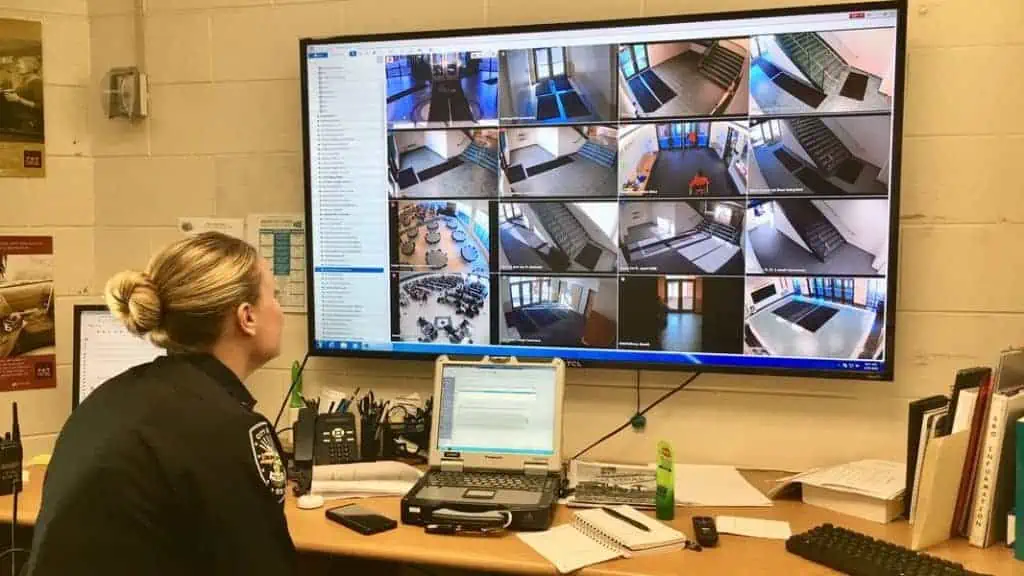
Technology has transformed how schools approach safety. Modern school security measures integrate video surveillance, access control systems, intrusion detection, and real-time monitoring. These tools allow administrators to maintain oversight without excessive manpower or disruption.
Improving school security with technology is not about surveillance alone. It is about intelligent design, controlled access, and rapid response. Schools that adopt integrated security solutions are better equipped to identify risks early and act decisively.
How to Improve School Safety Without Disrupting Education
One of the biggest concerns schools face is how to improve school safety without creating a prison-like environment. Effective security for schools is discreet, scalable, and aligned with educational values. The goal is protection without intimidation.
Thoughtfully designed school security measures blend into daily operations. Controlled entry points, monitored common areas, and clear emergency protocols allow schools to maintain openness while strengthening school protection. This balance is where professional security planning makes the greatest difference.
The Importance of Proactive Security Planning
Reactive security often comes too late. Schools that wait for incidents before improving security expose students and staff to unnecessary risks. Proactive planning focuses on prevention, preparedness, and continuous improvement.
More security in schools does not mean overreaction. It means assessing vulnerabilities, implementing appropriate safety measures for schools, and training staff to respond confidently. Proactive education security saves lives, reduces liability, and builds long-term resilience.
Why Schools Need Layered Security Measures
No single solution can address all risks. Effective school safety in America relies on layered protection that combines physical, procedural, and technological elements. Each layer reinforces the others, creating comprehensive school protection.
Layered school security measures allow schools to adapt to different scenarios without relying on one point of failure. This approach is essential for improving school security in complex environments where risks evolve over time.
The Role of Leadership in School Safety
School safety is not just a technical issue. Leadership plays a crucial role in prioritizing and sustaining security initiatives. Administrators who understand why school safety is important are more likely to invest in long-term solutions rather than short-term fixes.
Strong leadership ensures that security for schools is aligned with policies, budgets, and educational goals. When leadership supports safety initiatives, implementation becomes smoother and more effective.
Why Choose Nexlar for School Security Solutions
At Nexlar, we specialize in designing security in schools that works in real-world educational environments. Our approach to education security is strategic, scalable, and tailored to each institution’s unique needs. We understand that school safety is about people, not just systems.
We help schools implement modern school security measures that improve visibility, control access, and strengthen response capabilities without disrupting learning. From consultation to deployment, Nexlar focuses on improving school security in a way that supports students, educators, and communities alike.
The Future of School Safety in America
As schools continue to evolve, so will the need for advanced security for schools. School safety in America will increasingly depend on integrated systems, data-driven decisions, and proactive planning. Institutions that invest now will be better prepared for future challenges.
More security in schools is not about fear. It is about responsibility, preparedness, and protecting the future of education. Schools that embrace modern safety measures for schools position themselves as leaders in both education and care.
Frequently Asked Questions About School Security
Q. Why is school safety important for long term student success?
School safety is important because students learn best in environments where they feel protected and supported. Secure schools reduce stress, improve attendance, and foster stronger academic engagement.
Q. How can schools improve security without increasing anxiety?
Improving school security involves discreet systems, clear protocols, and thoughtful design. When security measures are well integrated, they enhance safety without creating fear or discomfort.
Q. What are the most effective school security measures today?
Modern school security measures include access control, surveillance systems, monitored entry points, and emergency communication tools. When combined, these solutions significantly improve safety and security in schools.
Q. Why is education security different from other industries?
Education security requires balancing protection with openness. Schools must remain welcoming while ensuring safety, making security for schools uniquely complex and specialized.
Q. How does school protection benefit parents and communities?
Strong school protection builds trust among parents and strengthens community confidence. When schools invest in safety, families feel reassured that their children are learning in secure environments.
Final Thoughts on School Security
The question is no longer whether schools need better protection but how quickly they can implement it. Understanding why should there be more security in schools is the first step toward meaningful action. Schools that prioritize safety today protect not only students and staff but the integrity of education itself.
For expert guidance on improving school security with modern, reliable solutions, contact Nexlar today and take the next step toward a safer educational environment.
Follow Us